Get your free personalized podcast brief
We scan new podcasts and send you the top 5 insights daily.
The CEO dismisses the incumbent argument that bundling services like mortgage and insurance is too complex. He contends that for 80% of customers, these are "vanilla" services. The current system forces this majority to subsidize complex edge cases, a model Opendoor aims to disrupt by focusing on a simple experience for the average person.
![Opendoor: Q1 2026 Earnings - [Business Breakdowns, EP.245] thumbnail](https://megaphone.imgix.net/podcasts/abec2476-4a94-11f1-ba4c-130e07a16fae/image/fd9bcf8c49f565897d58676655031c9a.jpg?ixlib=rails-4.3.1&max-w=3000&max-h=3000&fit=crop&auto=format,compress)
Related Insights
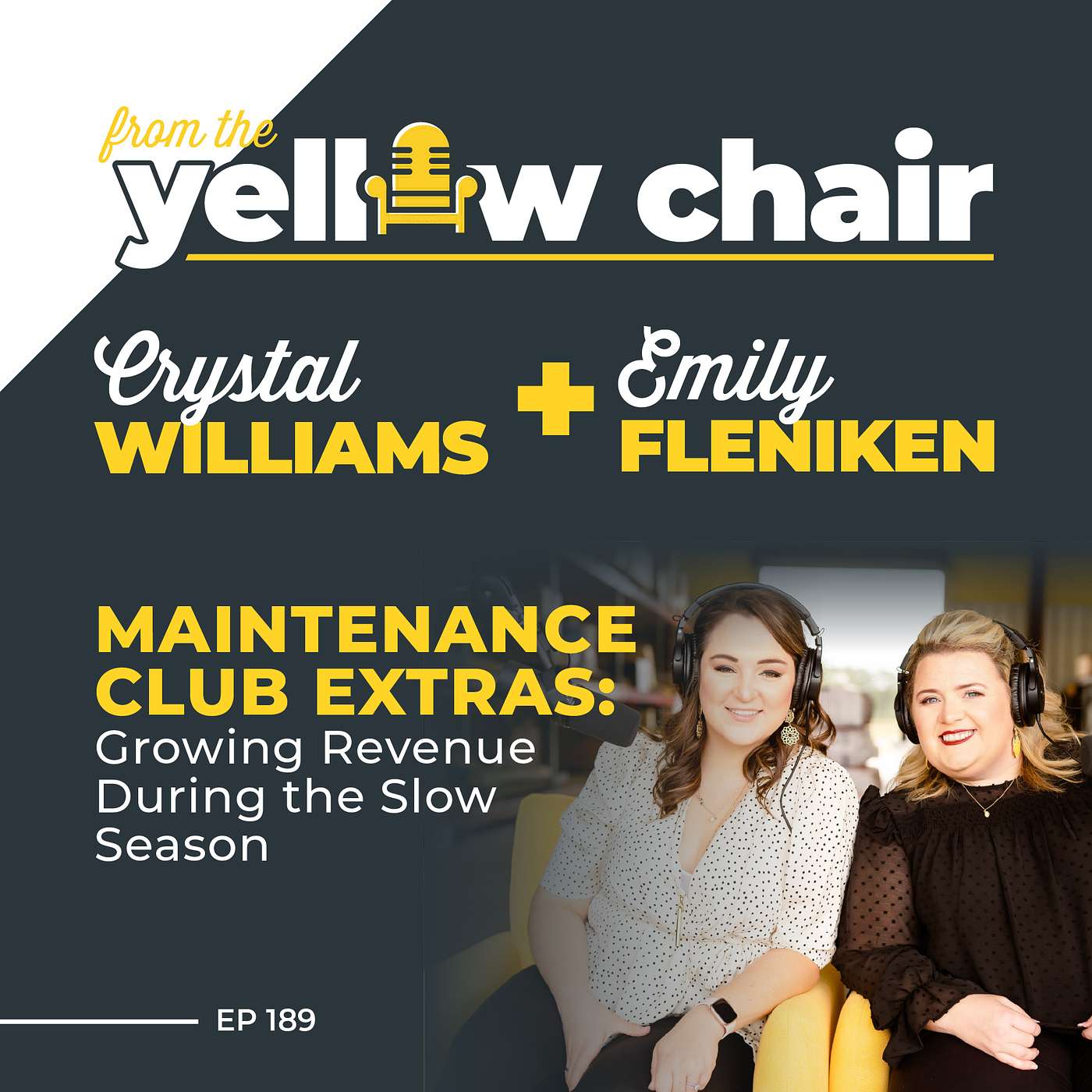
Businesses often create multi-tiered maintenance plans, believing more options are better. However, this complexity overwhelms consumers and makes it harder for technicians to sell. A simplified, single-option plan often leads to higher adoption rates because it's easier to understand and pitch.
Avoid implementation paralysis by focusing on the majority of use cases rather than rare edge cases. The fear that an automated system might mishandle a single unique request shouldn't prevent you from launching tools that will benefit 99% of your customer interactions and drive significant efficiency.

Startups often fail to displace incumbents because they become successful 'point solutions' and get acquired. The harder path to a much larger outcome is to build the entire integrated stack from the start, but initially serve a simpler, down-market customer segment before moving up.

Adding excessive bonuses and features to justify a price hike often signals a lack of confidence in the core offering. Customers actually prefer a leaner product that delivers the promised transformation faster. More content doesn't always equal more value; it can create overwhelm.

Startup With Coverage's innovation isn't just tech; it's a business model shift. By charging a flat service fee instead of commissions, they align incentives to find clients the best, most affordable insurance, unlike traditional brokers who profit from higher premiums.

Successfully penetrating the commercial market isn't about creating a lighter version of an enterprise GTM strategy. It's a different game focused on radical simplification. The key is removing friction with self-service quoting, better distribution tooling, and clear packaging to create a repeatable, run-rate business.

Zillow moved from an ad marketplace for mortgages to originating loans itself. This captures margin from a high-cost part of the transaction, but more importantly, it allows Zillow to control and integrate the entire process, solving the consumer pain of juggling multiple vendors and disjointed communication.

Constantly delivering custom solutions is inefficient and destroys profitability. Instead, define a standardized, repeatable service package that can be sold and delivered consistently, maintaining high margins and simplifying operations.

The CEO reframes Opendoor's model, clarifying it's not a "prop desk" holding assets for profit. Instead, it's a "market maker" focused on transaction velocity and information flow, not maximizing spread on individual homes. This fundamental distinction drives its entire operational strategy.
The CEO's priority is building a "checkout for real estate," similar to e-commerce. He identifies title and escrow as the "thin waist"—the crucial, central layer that, once solved, simplifies the integration of all other attached services like mortgage, insurance, and solar.