Get your free personalized podcast brief
We scan new podcasts and send you the top 5 insights daily.
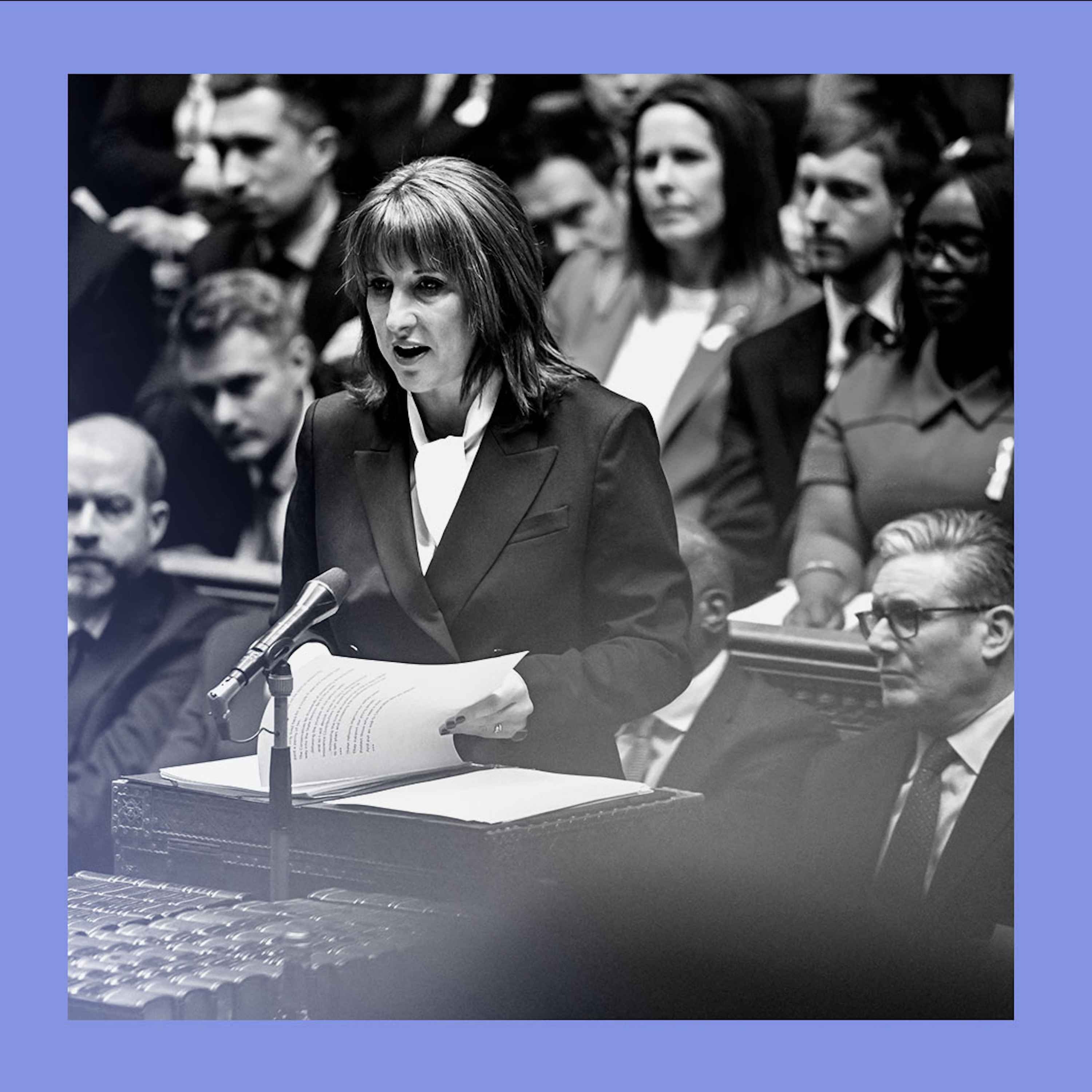
The UK provides a real-world example of how policy inaction doesn't guarantee stability. Despite the Bank of England holding its target rate steady for over six months, the UK two-year bond yield has fluctuated within a wide 100 basis point range, showing what could happen in the U.S.

Related Insights
Since the pandemic, the influence of global markets on the UK has intensified. Approximately half of the movements in the UK's government bond (gilt) yield curve are now driven by external factors, primarily from the U.S. and Eurozone, up from one-third pre-pandemic.

If incoming Fed Chair Kevin Warsh reduces public communication, it could increase market uncertainty about future policy. This lack of clear forward guidance may lead investors to demand a higher risk premium for holding long-term bonds, causing the U.S. Treasury yield curve to steepen, all else being equal.

For over a decade, Fed forward guidance and QE have suppressed interest rate volatility. A shift away from this communication strategy would likely cause volatility to return to the more "normal," higher levels seen before the 2008 global financial crisis.
When bond prices exhibit short-term mean reversion (up one day, down the next), it's a quantitative sign of deep uncertainty. This reflects the market and the Fed struggling to choose between fighting inflation and addressing weakening employment, leading to no clear trend until one indicator decisively breaks out.
The new Fed Chair's plan to reduce "forward guidance" removes a source of market certainty. Without explicit signaling about future policy, every new economic data point will have a greater potential to shift market sentiment, leading to higher volatility even if the Fed takes no action on rates.
The Bank of England's current patience on rates is not a dovish pivot, but a tactical wait for concrete data on "second-round effects" like wage and price surveys. They are trying to avoid tightening too late, suggesting a hike is still likely once this evidence emerges later in the year.

The common assumption is that reduced Fed forward guidance increases uncertainty, leading to a higher term premium and bond yields. However, this creates volatility in both directions. While yields might rise in an inflationary environment, a lack of guidance could also cause them to fall sharply during a period of negative economic surprises.
While investors often watch equity markets for signs of Fed intervention, rising bond volatility poses a more significant risk to financial conditions. This makes the Fed more sensitive to instability in the bond market, meaning a spike there could trigger a dovish policy shift sooner than a stock market downturn.
The bond market will become volatile not when rates hit a certain number, but when the market perceives the Fed's cutting cycle has ended and the next move could be a hike. This "legitimate pause" will cause a rapid, painful steepening of the yield curve.

The UK bond market's muted reaction to the recent budget is not a sign of success. Unlike a previous disastrous budget, this one contained no surprises. Success should be measured by long-term growth potential, not just the avoidance of immediate market panic, setting a very low bar for achievement.