Get your free personalized podcast brief
We scan new podcasts and send you the top 5 insights daily.
The tension between sociology as a tool for social reform versus a tool for objective science is not new. The field has struggled with this duality since its inception, with the current activist turn representing an escalation of a long-standing internal conflict rather than a completely new phenomenon.

Related Insights
These bodies actively shape their fields by controlling conference access and setting evaluative standards. Politically neutral or foundational research can be marginalized if it doesn't align with the prevailing ideological themes, making these associations powerful gatekeepers rather than mere representatives.
The theory of 'suicidal empathy' posits some reformers cause harm through a pathological desire to be nice. Marc Andreessen refutes this, arguing it's self-interest. These movements gain power, status, and money while showing no empathy for their opponents, revealing a motive of greed, not compassion.

Political litmus tests, like the boycott of the American Sociological Association over its stance on Israel, are causing deep divisions. This leads to the creation of alternative, ideologically-aligned conferences, fragmenting disciplines into non-communicating echo chambers.
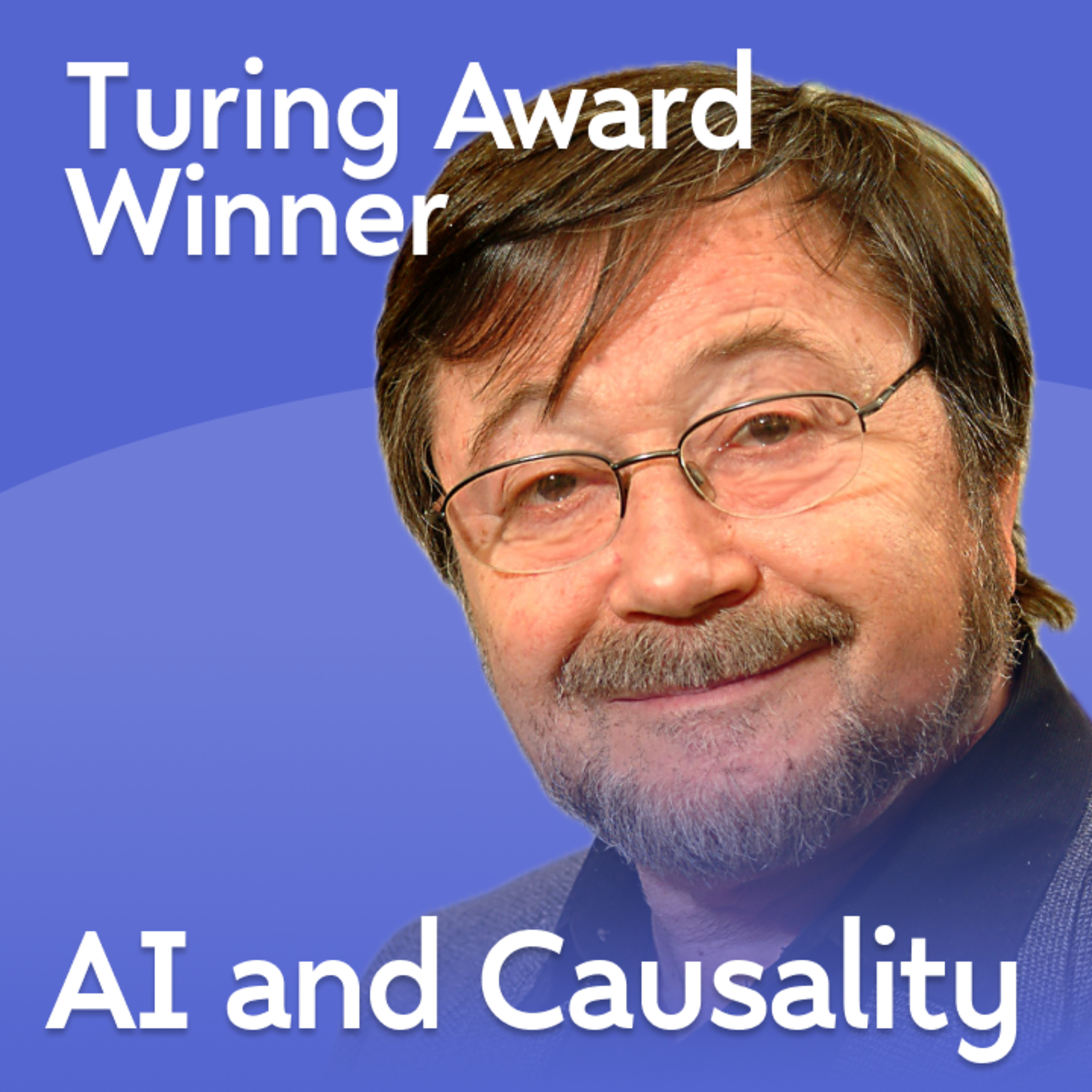
Contrary to the popular view of academia as a bastion of new ideas, Judea Pearl argues it's one of the 'most dogmatic, conservative, anti-progress' institutions. He cites the immense difficulty and inertia he faced in getting fields like statistics to adopt the science of causality.
Contrary to popular belief, publication in a top academic journal doesn't guarantee a study is correct. The social sciences lack the precise experimental validation of hard sciences, allowing incorrect theories to have "long legs and survive" due to a lack of rigorous, focused scrutiny from peers.

Professor Asao Inouye's theory—that grading English promotes white supremacy—was presented not at a fringe event but as the keynote at his field's biggest conference. This shows how radical ideas can become centrally accepted dogma within academic fields, making dissent from peers seem heretical.

In today's academic climate, discussing established variables related to criminal behavior is often seen as problematic. Even framing disadvantages as structural causes of crime can be controversial for implying group differences, which hinders honest conversation needed for effective policy reform.
Following the failures of grand social movements and projects like Soviet communism, the 20th-century political left turned away from material and social progress, refocusing its energy on the private self and personal behavior.

In the 19th and early 20th centuries, racism was not just socially acceptable but academically esteemed. Fields like phrenology and eugenics were considered legitimate sciences pursued by the era's leading intellectuals. This presents a stark inversion of modern values, where intellectualism is aligned with anti-racism.

Drawing on sociologist Émile Durkheim, Professor Rubin argues that progressive movements in academia are creating a homogenous, conformist culture. Rather than a diverse 'organic society' that tolerates disagreement, they are building a 'mechanical society' that enforces solidarity by punishing those who violate deeply held political values.