Get your free personalized podcast brief
We scan new podcasts and send you the top 5 insights daily.
Despite receiving hundreds of death threats, the speaker continues to be outspoken because he believes democracy fails when people are afraid to speak. Silencing dissent is the primary goal of the West's enemies, making free expression a necessary act of defiance, regardless of the significant personal risk involved.
Related Insights
The ultimate test of free speech is allowing potentially harmful ideas to circulate. While this may lead to negative consequences, it is preferable to the alternative. The 20th century saw 200 million people killed by their own governments, demonstrating that the tyranny required to enforce narrative control is a far greater danger.

Attempts to shut down controversial voices often fail. Instead of disappearing, suppressed ideas can fester and become more extreme, attracting an audience drawn to their defiance and ultimately strengthening their movement.
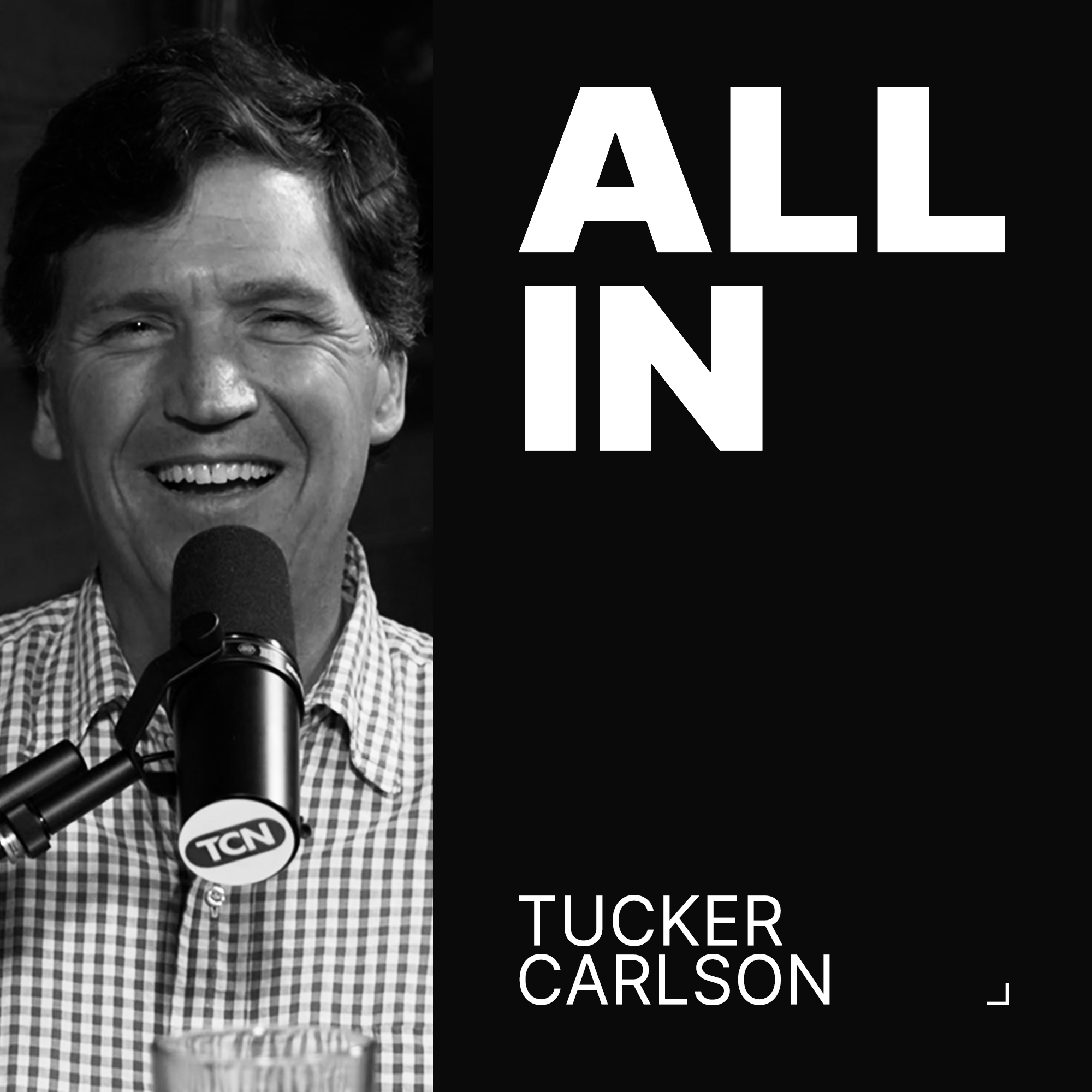
While many free-thinking Russians either fled the country or fell silent after the 2022 invasion, Evgenia Berkovich chose a third path: she stayed in Russia while continuing to write and create, including anti-war poetry. Her refusal to conform to the state-imposed dichotomy of exile or submission made her an intolerable example.
Legal frameworks to punish 'hate speech' are inherently dangerous because the definition is subjective and politically malleable. Advocating for such laws creates a tool that will inevitably be turned against its creators when political power shifts. The core principle of free speech is protecting even despicable speech to prevent this tyrannical cycle.
When people can no longer argue, disagreements don't vanish but fester until violence becomes the only outlet. Protecting even offensive speech is a pragmatic necessity, as open debate is the only mechanism that allows societal pressures to be released peacefully.
Physically shouting down a speaker offers a temporary, local victory. However, the act of suppression is often recorded and shared, reaching a far larger 'audience' online. This audience frequently reacts against the suppression, giving the original message more power than it would have had otherwise.

Reid Hoffman pushes back on the idea that business leaders should stay silent on political issues to avoid risk. He argues that feeling fear is the precise indicator that courage is required, and leaders have a responsibility commensurate with their power to speak up for society.
Salman Rushdie posits that humor is more than just entertainment; it is a potent tool against oppression. He observes that dictators and narrow-minded individuals are characteristically humorless and that satire can provoke them more effectively than direct criticism, making it a crucial element in the struggle for free expression.
While both the Biden administration's pressure on YouTube and Trump's threats against ABC are anti-free speech, the former is more insidious. Surreptitious, behind-the-scenes censorship is harder to identify and fight publicly, making it a greater threat to open discourse than loud, transparent attacks that can be openly condemned.
The value of free speech is a practical mechanism for progress. Open debate allows bad ideas to be discarded and good ideas to be refined through opposition. In contrast, censorship protects flawed ideas from scrutiny, freezes society in ignorance, and requires violent enforcement to suppress dissent.
