Get your free personalized podcast brief
We scan new podcasts and send you the top 5 insights daily.
Instead of setting due dates six months from the last visit, assign all spring visits to Feb/March and fall visits to Aug/Sep. This prevents customers from demanding service during your busiest months and gives you operational control over scheduling.

Related Insights
For seasonal offers like a gardening course, create a marketing "runway" that begins when customers are in their planning phase. This allows you to build an audience and nurture leads with relevant freebies (e.g., a garden planning guide) before the peak season's real urgency kicks in.

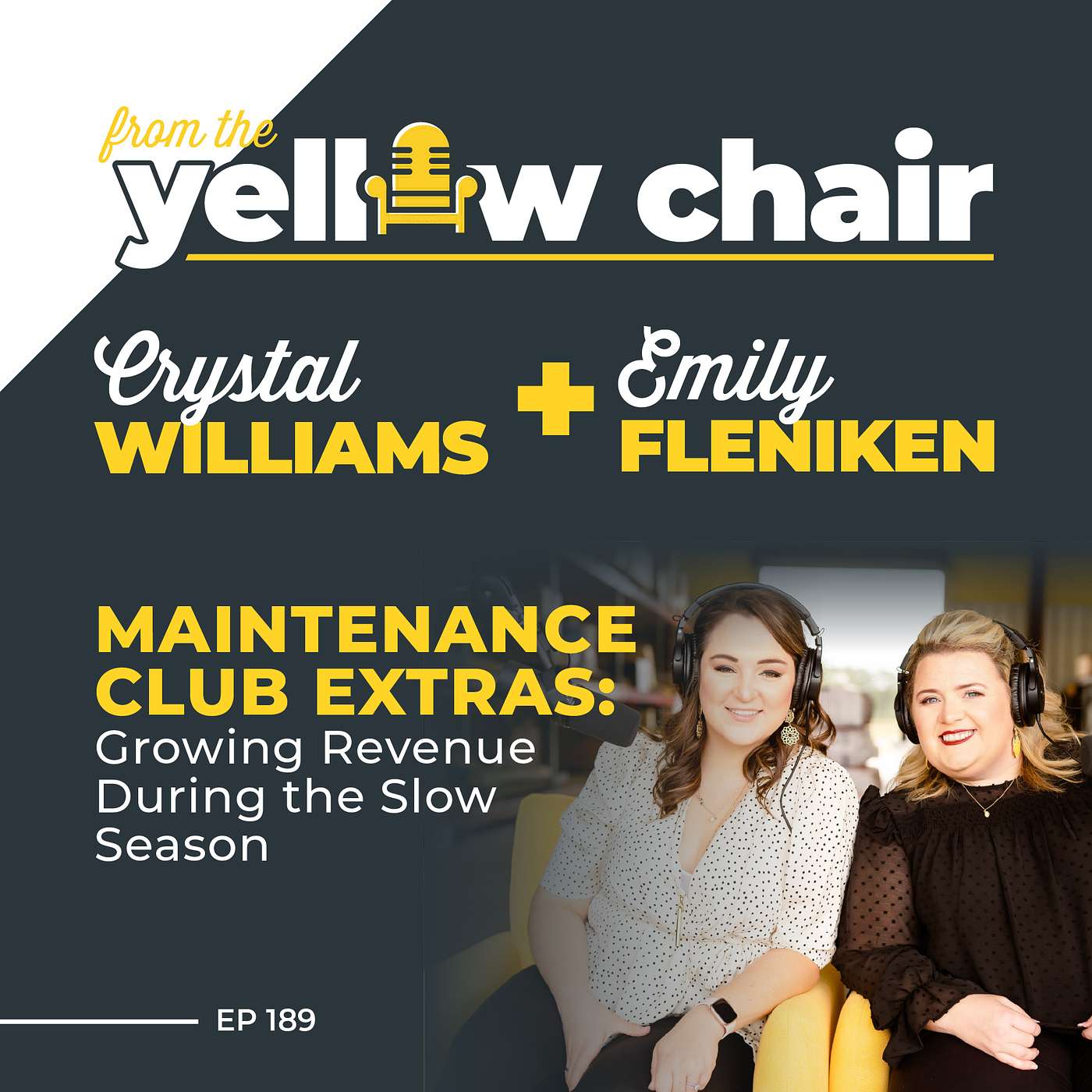
By servicing maintenance club members during the slow "shoulder season," businesses free up their schedules. This creates capacity to take on new, high-margin customers when demand inevitably spikes, maximizing growth opportunities instead of just servicing existing clients.
A business with seasonal demand can create a full-year content calendar by framing campaigns around the lead-up to, the peak of, and the aftermath of their busy season. This pre, during, and post messaging cycle creates continuous relevance and multiple touchpoints for customers.

During slow summer months, focus on sales activities that build the pipeline for the fall. Closing rates may drop due to vacations, but consistent prospecting ensures results will materialize once everyone returns. This reframes the period as productive, not slow, and manages expectations.

To optimize recurring tasks like cleaning, determine the number of days (N) it takes for something to reach an undesirable state. Then, schedule the task to occur every N-1 days. This formula ensures you maintain your desired standard with the least possible frequency, preventing problems before they arise.

Instead of trying to eliminate natural seasonality, which can be a major distraction, businesses should accept it as a predictable feature of their industry. This frees up mental bandwidth and resources to focus on actual growth constraints, allowing you to outperform competitors who get distracted by shiny objects.
Using monitoring data to identify systems likely to fail, you can proactively schedule service in the spring or fall. This prevents a summer breakdown for the customer and frees up your calendar to take on new, high-margin emergency leads during the busy season.
The most effective way to prevent missed renewals and reduce churn is to switch from annual to monthly recurring billing. Customers scrutinize small monthly charges far less than a large annual renewal charge, leading to significantly higher retention.
Regularly go into your CRM and dismiss all maintenance events that are more than six months past due. This cleans up your active jobs list, prevents CSRs from accidentally booking outdated visits, and ensures deferred revenue is correctly recognized.
Sending a truck twice a year to a new, healthy system is often wasteful. A more strategic model involves one mandatory annual tune-up, supplemented by data-triggered or on-demand visits, especially for older systems that are prime replacement opportunities.