Get your free personalized podcast brief
We scan new podcasts and send you the top 5 insights daily.
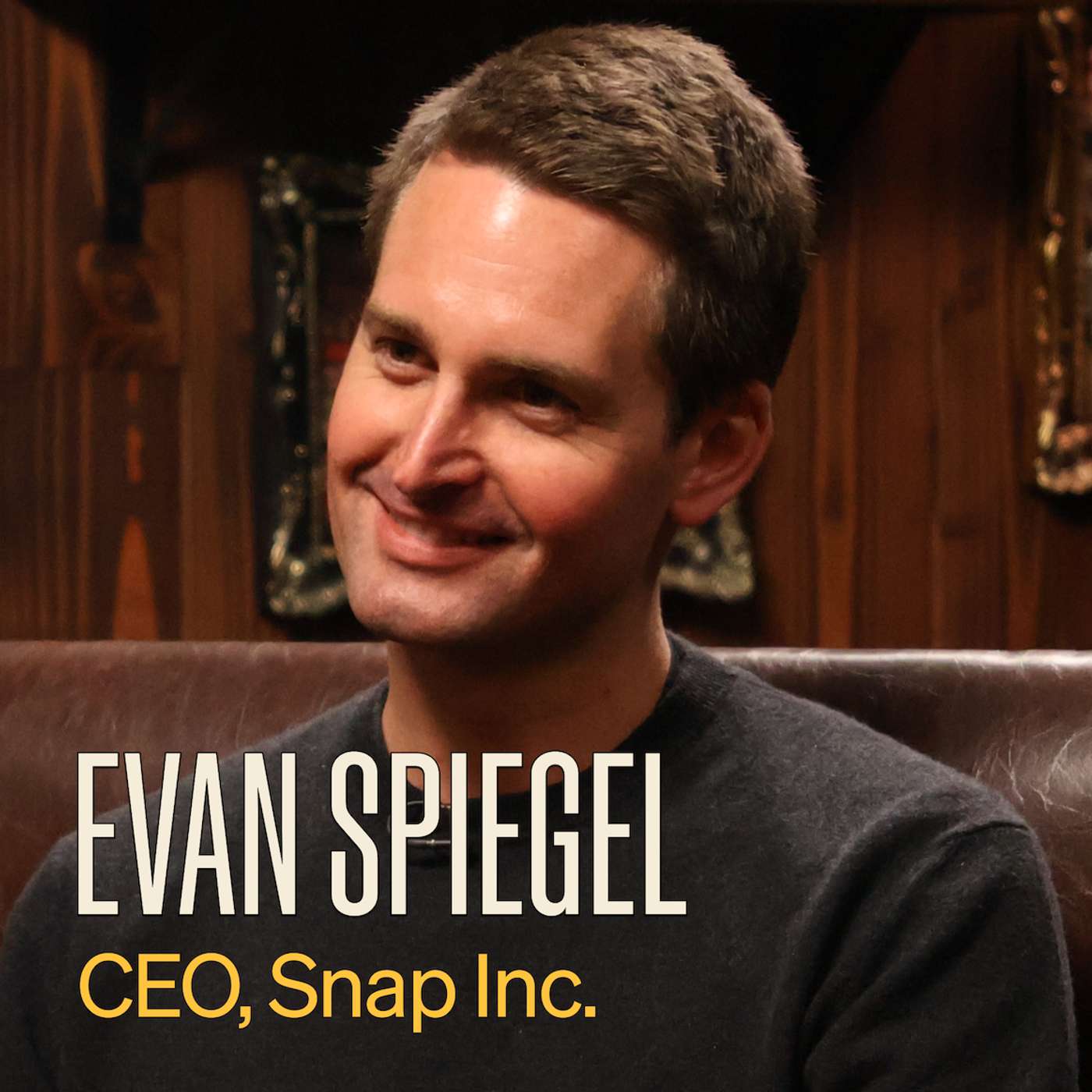
The 'Stories' feature originated from user requests for a "send to all" button. Fearing this would lead to spam, Snap's team instead designed Stories to fulfill the desire for broad sharing while also solving other social media frustrations like reverse-chronological feeds and the pressure of public likes.

Related Insights
The "stories" format turned social media managers into on-the-fly creators, forcing a choice between speed (using native app tools) and brand consistency. This created a clear market gap for tools like Slate that enable rapid, mobile-first content creation while adhering to established brand guidelines.

Instagram's team viewed the 'stories' format not as a proprietary feature, but as a new, universal primitive for mobile sharing, akin to the 'feed.' They believed denying users this powerful format would be a disservice, so they adopted it and improved upon it for their specific user base.

The "Shots" feature, allowing unedited, disappearing photos, provides a valuable channel for marketers struggling with the pressure for perfection. Like the original appeal of Stories, it encourages sharing raw, on-the-fly content that builds authenticity without extensive production.

The introduction of clickable links in feed posts won't usurp Stories as the prime sales channel. The intimate, "behind-the-scenes" nature of Stories builds a stronger parasocial relationship and accelerates trust, making users more receptive to sales messages than in the public feed.

Snapchat intentionally separates friend-based social interactions from publisher-driven media consumption. Spiegel says combining them creates a perverse incentive to push users to add more friends simply to generate feed content, which ultimately pollutes the core social experience with close connections.
While Instagram's Head, Adam Mosseri, claims resharing a post to your own story doesn't increase algorithmic reach, the action has a crucial secondary benefit. Story reactions and replies go directly to DMs, creating an immediate one-on-one conversation with your most engaged audience members, a key area of platform activity.

Users simultaneously asked for a "send all" button while also complaining about social media pressure. Instead of building the requested feature, Snap's team listened to the underlying problems. They created Stories, which allowed for broad sharing without spam or the pressure of likes and permanence.

Instagram launched 'Instance' to recapture the casual sharing lost as 'Stories' became increasingly polished and performative. This reveals a cyclical need for social platforms: as a feature matures and users feel pressure to create high-quality content, a new, more casual and ephemeral format must be introduced to encourage authentic sharing again.

To rapidly build a competitor to Snapchat, Instagram's leadership deliberately reduced the Stories team to a small, highly capable group. This unconventional move eliminated dependencies and communication overhead, allowing them to ship the pivotal feature in just three months.

Stories succeeded not because it was a new format, but because it solved a core Instagram user problem: the pressure to post only "perfect" photos. It created a "pressure release valve" for casual, ephemeral sharing, making it a natural fit that unlocked latent demand.
