Get your free personalized podcast brief
We scan new podcasts and send you the top 5 insights daily.
Sean Evans argues that chasing trends and algorithms is a losing strategy, citing the failure of Quibi. The most durable media properties, like SNL, are defined by their consistency and timeless appeal, which builds unbreakable audience trust over decades.

Related Insights
Post-interview analysis suggests The New Yorker outlasted competitors by holding tight to its identity rather than chasing trends. While other magazines from its era pivoted to match the internet's pace and failed, The New Yorker's deliberate, slow evolution protected its core value, proving that resistance to change can be a strength.

Brands that have survived for 50-100 years are likely to survive another 50 (the 'Lindy Effect'). Their audiences feel a sense of ownership, making them incredibly loyal and forgiving. This creates a durable, defensible asset that is hard to kill, even with mistakes.
When a creator prioritizes short-term engagement by catering exclusively to popular trends, they risk alienating their broader audience and succumbing to "audience capture." Resisting this by following an internal compass is crucial for maintaining integrity and a diverse, loyal following.

In an era of AI-generated 'slop' and widespread misinformation, trusted media brands can no longer compete on content alone. Host Nilay Patel argues that the key value proposition is the brand's transparent, ethical process—the policies, fact-checking, and standards—which guarantees reliability to the audience.

Rather than just jumping on viral trends, brands can build more durable audiences by creating original, serialized content, much like a mini TV show. This strategy fosters loyalty and gives consumers a reason to follow the brand itself, not just its take on a popular meme.
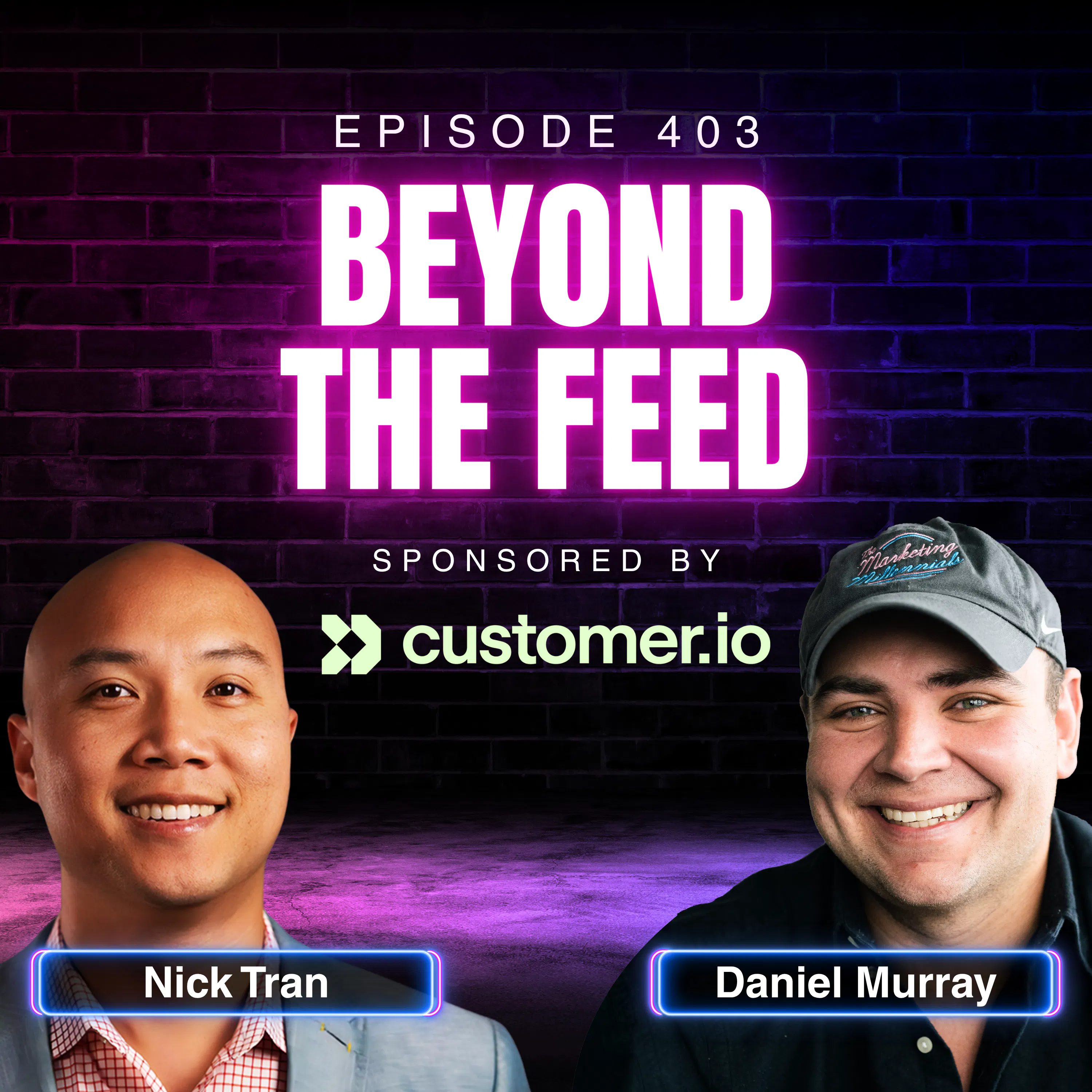
Dhar Mann chose to forgo lucrative "spectacle-based" content that chases short-term views. By staying true to his mission of heartfelt storytelling, he built a unique brand that became more valuable to partners seeking genuine emotional connection. This long-term strategy ultimately led to a 10x growth in brand deals.
Way's CEO observes that while they once focused on a consistent brand aesthetic, today's social media algorithms favor inconsistency. They now operate like an in-house content machine, creating a mix of expensive, polished campaigns alongside "unpolished, rogue" lo-fi content tailored to each platform's unique culture.
The key to long-term audience trust isn't producing a perfect "10/10" hit every time. Sean Evans and Gary Vaynerchuk agree it's about consistently delivering a reliable "7 or 8" experience, or hitting "singles and doubles," which builds loyalty and predictability.
To build a lasting brand, creators must define their value independently of any single platform. The core mission and value delivered to the audience should be clear enough to be translated from YouTube to TikTok to the next immersive medium, ensuring longevity beyond temporary trends.
To create lasting impact, shift focus from content with a short lifespan to mediums that endure. Books, for example, hold their value for decades, representing a deeper investment of wisdom and attention compared to a podcast or a 60-second clip.
