Get your free personalized podcast brief
We scan new podcasts and send you the top 5 insights daily.
Similar to how your brain tunes out a constant smell, your immune system is designed to react to sharp spikes in foreign signals, like a virus. Slow, gradual changes, like a developing tumor, are often treated as normal developmental shifts and accommodated, allowing them to evade detection.

Related Insights
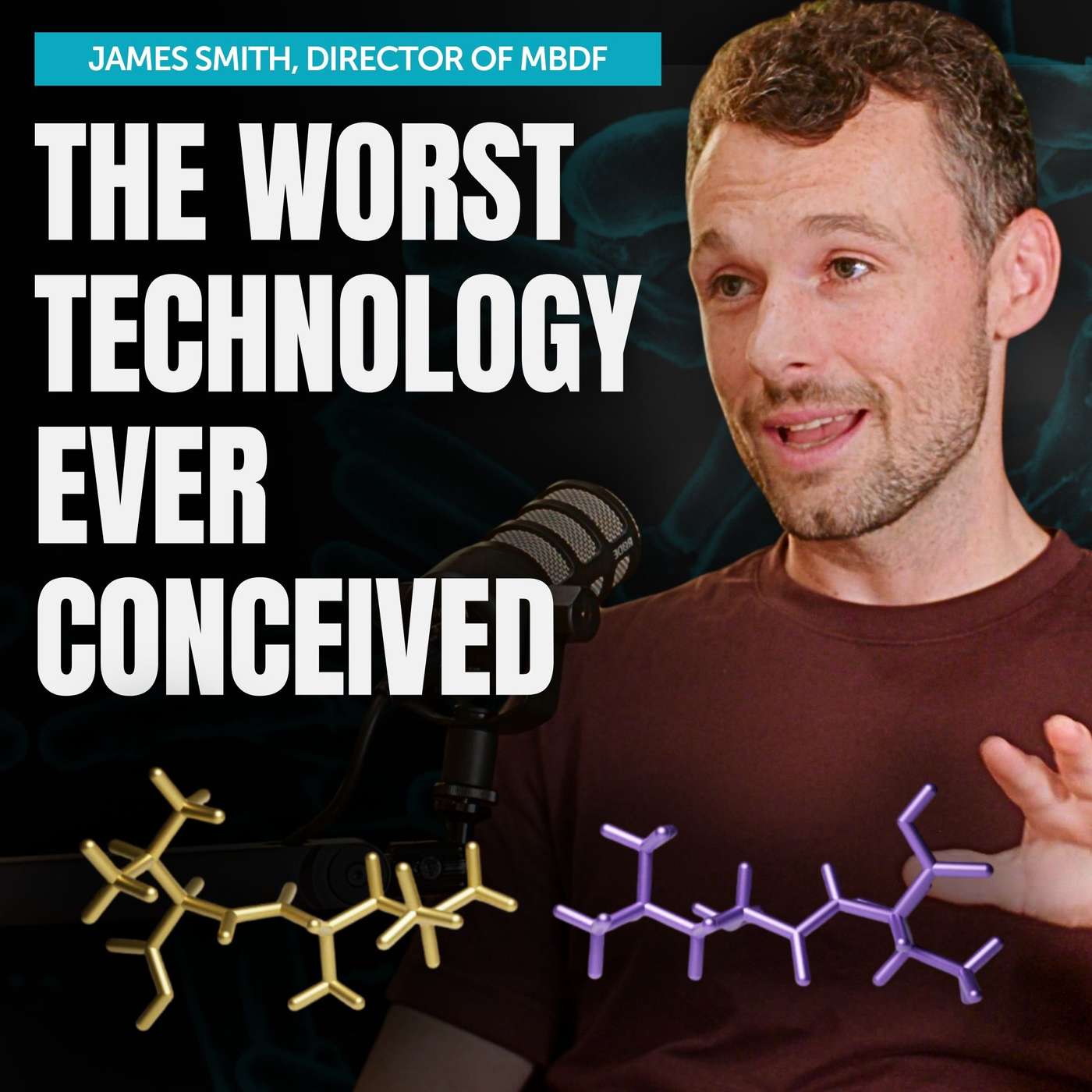
The immune system fails because of a cascade effect. Our adaptive immune system (antibodies) depends on activation signals from the innate system. Because the innate system's receptors can't bind to mirror molecules, the initial alarm is never sounded, preventing the entire defensive chain of command from launching.
The trillions of microbes in our gut are not passive residents; they engage in a constant dialogue with immune cells. This "conversation" is critical for calibrating the immune system, teaching it what to attack (pathogens) and what to tolerate (food, benign germs), preventing both infections and autoimmunity.

Humans evolved a robust inflammatory response to fight constant threats like infections. In today's relatively sterile world, this powerful system lacks its historical targets and can overreact to modern triggers, leading to the chronic low-level inflammation that is at the heart of many modern diseases.
A newborn's immune system is intentionally weak for the first six months. This is a protective mechanism to prevent it from attacking the child's own rapidly developing tissues, which could be mistaken for foreign invaders. This is why some childhood vaccinations are delayed until after this period.
For viruses like herpes that infect critical, long-lived cells like neurons, the immune system's goal is often not eradication. A full-scale attack would destroy the neurons. Instead, it establishes a "detente," quarantining the dormant virus to prevent self-inflicted damage (immunopathology).
A tumor can be viewed as an evolving system within the body's environment. It progresses from stage to stage by "ratcheting up" its functional information—its ability to survive and grow. This evolutionary framework could inspire novel cancer treatments.
Cancer's primary "trick" is adaptation. Immuneering's deep cyclic inhibition prevents this by intermittently shutting down signaling pathways. The cancer lets its guard down during the "off" cycle and is ambushed again the next day, preventing it from learning to develop durable resistance.

Our immune systems evolved to mount robust inflammatory responses against acute threats like infections and traumas. In the modern world, which lacks these constant threats, this same sensitivity causes our bodies to overreact to environmental triggers. This evolutionary mismatch creates the chronic, low-level inflammation that drives modern diseases.
The immune system must balance being aggressive against foreign threats while not attacking the body's own cells. T-cells that recognize "self-antigens" sometimes escape the thymus. Autoimmune diseases emerge when these secondary checks fail, causing the immune system to attack healthy tissues like joints or the brain.
Over a lifetime, your cells accumulate thousands of unique DNA mutations. This transforms your body from a collection of identical cells into a "mosaic" of genetically distinct ones. This inherent "weirdness" creates background noise, making it harder for the immune system to spot true threats like cancer.