Get your free personalized podcast brief
We scan new podcasts and send you the top 5 insights daily.
An AI might optimize code by 10x, but a senior engineer, thinking from first principles, knows a 100x improvement is possible. Seniority is increasingly valuable for setting the right high-level goals and architectural direction, guiding AI tools instead of just accepting their local optimizations.

Related Insights
As AI automates more day-to-day coding, the critical skill for engineers is becoming 'systems thinking'—understanding the entire workflow and how components interact. This was once a senior-level trait but is now essential for everyone in engineering.

AI tools have removed coding as the primary bottleneck in software development. The new ceiling for an engineer's impact is their ambition and ability to conceptualize big ideas, as execution has become drastically easier. It's no longer about what can be built, but how big you can think.

As AI agents handle the mechanics of code generation, the primary role of a developer is elevated. The new bottlenecks are not typing speed or syntax, but higher-level cognitive tasks: deciding what to build, designing system architecture, and curating the AI's work.

Contrary to the belief that AI levels the playing field, senior engineers extract more value from it. They leverage their experience to guide the AI, critically review its output as they would a junior hire's code, and correct its mistakes. This allows them to accelerate their workflow without blindly shipping low-quality code.

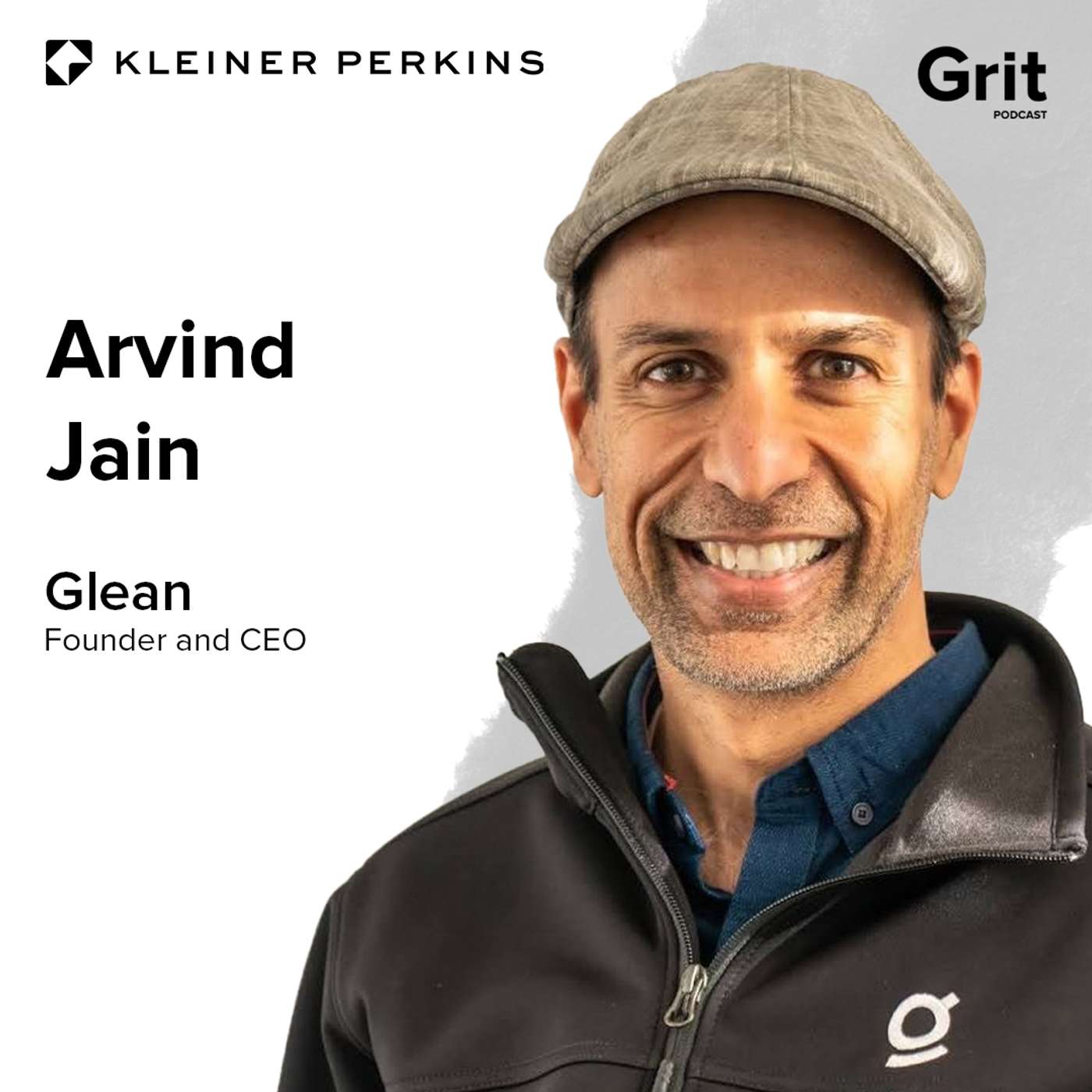
While junior engineers quickly become AI power users, Glean sees that many productive senior engineers haven't adopted code-gen tools as heavily. Their core value lies in complex tasks like debugging, design, and troubleshooting—areas where current AI provides less leverage than in writing new code.
AI coding agents are not a replacement for experience but an amplifier. Senior engineers can leverage their deep knowledge and sophisticated vocabulary to direct agents with high precision, making them more effective than ever. This requires 'every inch' of their accumulated experience to manage complex parallel tasks.

AI excels at generating code, making that task a commodity. The new high-value work for engineers is "verification”—ensuring the AI's output is not just bug-free, but also valuable to customers, aligned with business goals, and strategically sound.

After a certain point, becoming a more senior engineer isn't about writing better code. In fact, coding skill may decline. The key differentiator is the ability to zoom out and apply technical judgment to increasingly larger scopes—from a team, to a department, to the entire company's long-term strategy.
AI models will dutifully try to fix reported bugs, even in a poorly architected system. A true senior engineer provides value by stepping back, identifying the root cause (e.g., flawed architecture), and pushing for a necessary, albeit difficult, system rewrite.

With AI's ability to generate working code quickly, an engineer's role is evolving. Value is shifting from speed in finding a solution—which a robot can do faster—to a more strategic role of understanding the full suite of tools and recognizing how human expertise fits into a broader, more complex system.