The traditional model of economics leading politics has flipped. Investors must now prioritize political, geopolitical, and social events as the primary movers of market pricing and volatility, a theme PIMCO calls "Expect the Unexpected."
Marc Seidner highlights that investors can now construct a high-quality, intermediate-duration bond portfolio yielding 7%. This rivals the long-term expected return of equities, allowing investors to achieve their goals with less risk and more certainty.
Households are over-allocated to equities and cash while shunning bonds, which are near all-time lows as a percentage of assets. This "barbell" strategy is a mistake, driven by lingering fear from the 2022 bond sell-off, causing investors to miss locking in high yields.
The overall economy appears healthy, but this is a "K-shaped" reality. While large caps and the wealthy thrive, delinquency rates for the bottom 40% of earners are at Global Financial Crisis levels, and many small and medium-sized businesses can't afford their cash interest payments.
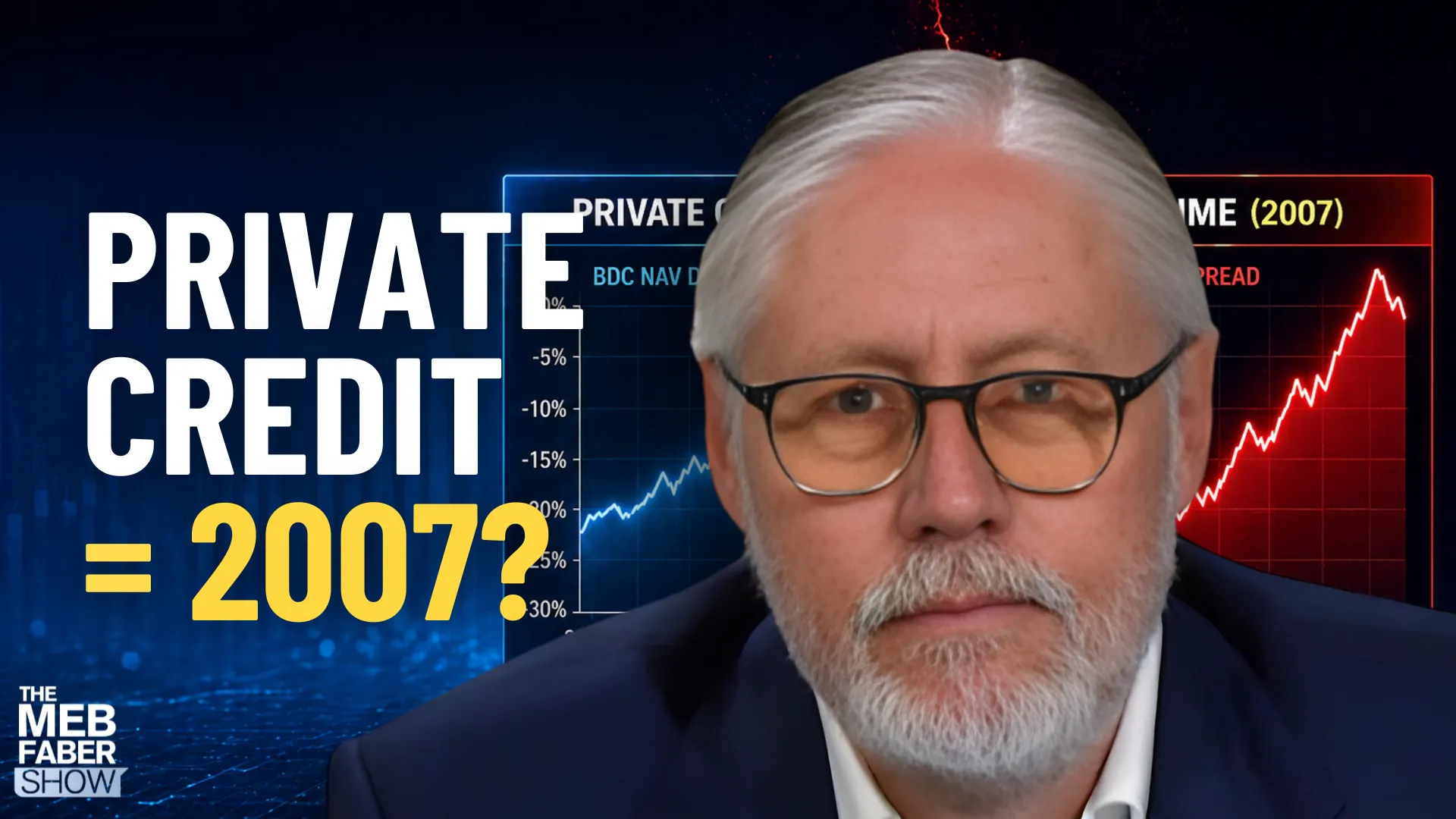
PIMCO's Marc Seidner warns that a chart overlaying recent private credit issuance on pre-2008 subprime mortgage debt shows an "uncanny" similarity. This suggests too much capital has led to deteriorating discipline, underwriting, and investor protections, creating systemic risks.
PIMCO's analysis reveals a critical economic divide: capital expenditure outside of the technology sector is zero. This concentration indicates that the broader, non-tech economy is not investing in future growth, reinforcing the "K-shaped" recovery narrative.
In a reversal of historical norms, emerging market policymakers have been more disciplined with monetary and fiscal policy. This has led to lower average inflation in EM countries, creating attractive opportunities with real yields that are significantly higher than in developed markets.
For decades, the Japanese government bond market was considered uninteresting. Now, due to currency and interest rate dynamics, a 30-year JGB, when hedged back to U.S. dollars, provides a 6.5% yield. This showcases how global diversification can uncover opportunities in unexpected places.