Canada received many nominations for "Country of the Year," but was rejected upon analysis. The rationale was that the country hadn't actually improved; rather, it had simply managed to "fail to catastrophically decline" in a turbulent year. This distinguishes resilience from genuine forward progress, a key insight for evaluators.
Despite a strong democratic and economic recovery, South Korea was passed over for the award. The judging committee determined its progress was primarily a recovery from "entirely ridiculous and self-inflicted wounds" (an attempted imposition of martial law), which is a less compelling form of improvement than overcoming external challenges.
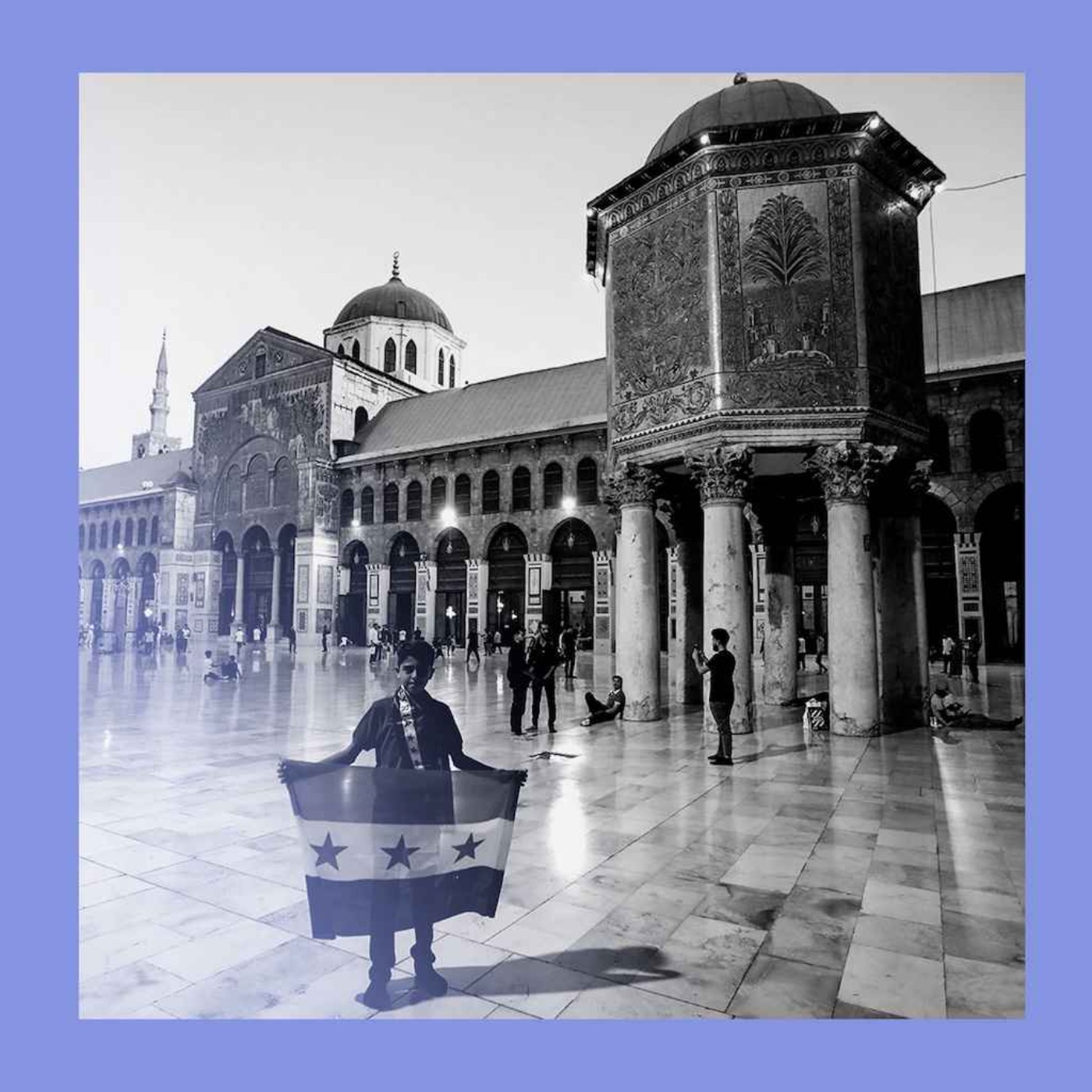
The final decision pitted Argentina's remarkable economic turnaround against Syria's emergence from a brutal civil war. Syria won because the improvement in tangible human security—the end of widespread killing and displacement—was deemed more significant than the abstract, albeit massive, economic improvement for millions in Argentina.
In a discussion about news, students pinpointed that verifying a major claim (like a king's death) isn't just about hearing it from a reputable news brand. True verification comes from the ultimate source of authority on the subject—in this case, the royal family itself. This shows a sophisticated understanding of source proximity over brand reputation.
The award intentionally avoids choosing the "best" country (like Finland) or "most consequential" (like America) to prevent repetition and negativity bias. Instead, it focuses on the nation that has improved the most over the year, creating a more dynamic and interesting evaluation framework applicable to any performance review.
After a complex debate weighing factors for multiple countries, the final justification for Syria winning was boiled down to a single, powerful metric. The return of 3.5 million people to their homes provided an undeniable and emotionally resonant data point that was "very hard to beat," cutting through all other arguments.