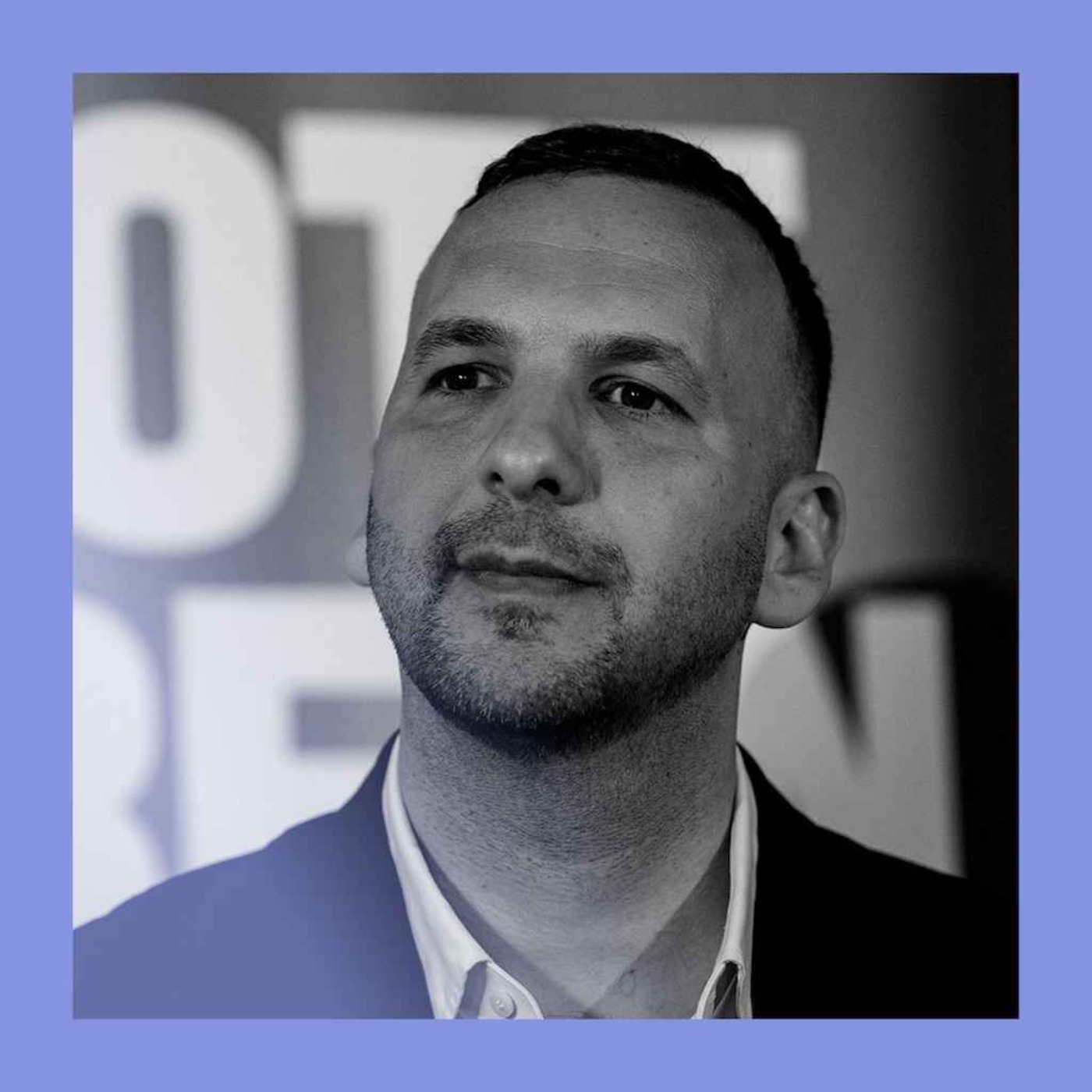
Polanski's history of odd jobs, like hypnotherapy and handing out yogurt, isn't a political liability but a key asset. It makes him a relatable tribune for a generation facing economic precarity, scarce graduate jobs, and punishing rents, thereby authenticating his populist message.
Under Zack Polanski, the Green Party has strategically de-emphasized its traditional environmental focus. It now prioritizes economic grievances like "squeezing the rich," transforming into an "eco-populist" vehicle. This rebrand successfully attracts younger voters alienated by mainstream parties and economic stagnation.
Despite occupying opposite ends of the political spectrum, populists like Zack Polanski (Green Party) and Nigel Farage (Reform UK) are mirror images. They offer simplistic solutions to complex problems by identifying a single enemy: Polanski blames the rich, while Farage blames immigrants. This creates a symbiotic relationship where each benefits from attacking the other.
Scientists have created the first synthetic cells that can reproduce without biological ancestors. These "spud cells" aren't fully "alive" as they lack key functions like metabolism, suggesting that life is not a binary on/off switch but a complex spectrum. This discovery challenges fundamental biological definitions.
The creation of synthetic cells represents a form of "pure engineering" within biology. Unlike traditional analysis of existing life, this bottom-up approach forces scientists to understand the function of every component. By building a cell from scratch, they gain unparalleled insight into how life actually works.
Contrary to expectations, human travel agents are a growing profession. They thrive by providing what AI can't: taste, curation, and real-time support. Smart agencies embrace AI not as a replacement but as a tool to handle boring administrative tasks, freeing up agents to focus on high-value client relationships.