Get your free personalized podcast brief
We scan new podcasts and send you the top 5 insights daily.
After being ejected from a facility for being too inquisitive during failed production runs, founder Brian Rudolph received a LinkedIn message from that same manager. Swallowing his pride, he replied, leading to a partnership to build Banza's own production facility together.

Related Insights
Instead of being deterred by retailers saying "no," the Murray brothers used rejection as a signal to learn. They spent time in the stores that rejected them, doing tasks like stocking shelves, which allowed them to understand the business and earn the retailers' respect and eventual partnership.
Initial rejection, even from a junior employee, can be a powerful motivator. Kim Vaccarella's decision to manufacture Bogg Bag herself was sparked by a condescending dismissal from a Crocs employee, turning a setback into the company's origin story.
Phil Knight didn't initially seek Bill Bowerman as a partner. He simply wanted his coach's endorsement to validate the product's quality. The partnership formed organically when Bowerman, impressed by the shoe samples, unexpectedly asked to be 'let in on' the venture, showcasing how strategic partnerships can arise from tactical outreach.
Mike Faherty's deep engagement with overseas factories while at Ralph Lauren built strong personal relationships. These factory owners later became his new brand's first investors and manufacturing partners, a crucial advantage for a startup.
When a marketing director hung up on him, Danny Yeung immediately found and cold-called the director's boss. The senior leader was so impressed by this resilience that he agreed to a partnership, single-handedly providing the first 30 deals for Yeung's new e-commerce company.

The founders were co-workers before becoming friends and then business partners. This sequence allowed them to vet each other's work ethic and resourcefulness in a professional setting, de-risking the co-founder relationship far more effectively than friendship alone could.

The founder, a chiropractor, recognized his strengths were in product and vision, not operations. He states he "not for a minute" wanted to be CEO. This lack of ego allowed him to bring in a partner with complementary skills to scale the company, proving the founder doesn't always need to be the CEO.
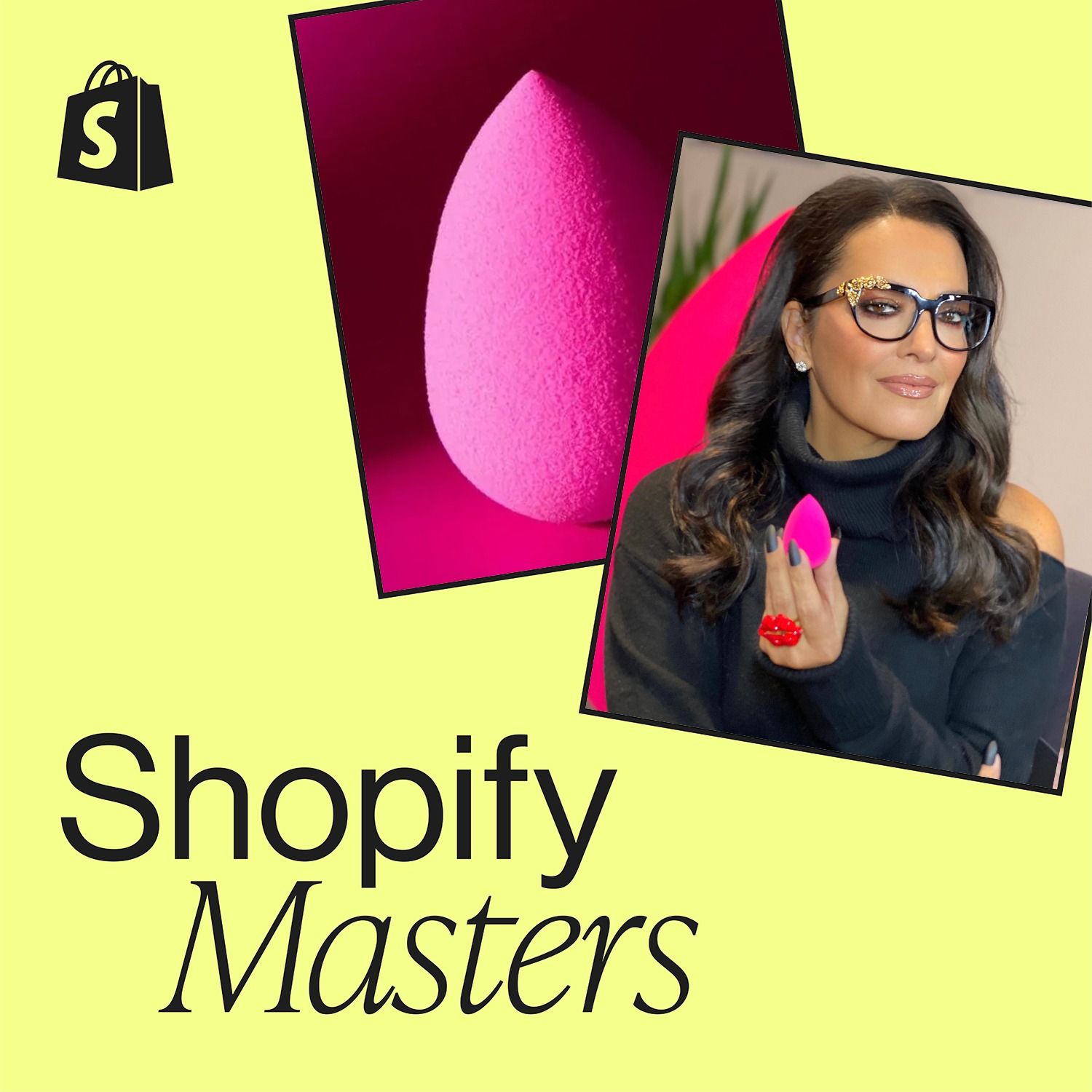
After being initially dismissed by a manager at a manufacturing company, that same manager was promptly let go. Now free from her corporate constraints, she became an ally and connected the founder with the exclusive manufacturing partner Beauty Blender still uses today.
To preserve their friendship while building a business, Ben and Jerry established two rules: 1) If one person felt strongly about a decision, they got their way. 2) Each co-founder had veto power. This simple framework for resolving disagreements enabled their long-term success as partners.

Before having professional packaging, Banza's founder pitched a major grocery chain with homemade pasta in a plastic bag. He framed the meeting as asking for advice, but the local connection and product quality were enough to secure a full chain-wide launch.