Get your free personalized podcast brief
We scan new podcasts and send you the top 5 insights daily.
Nolan recognized early that studios interfere when projects are slow or over budget. He deliberately works faster and more efficiently than expected as a strategy to maintain creative control, preventing executives from having a reason to meddle in his process.

Related Insights
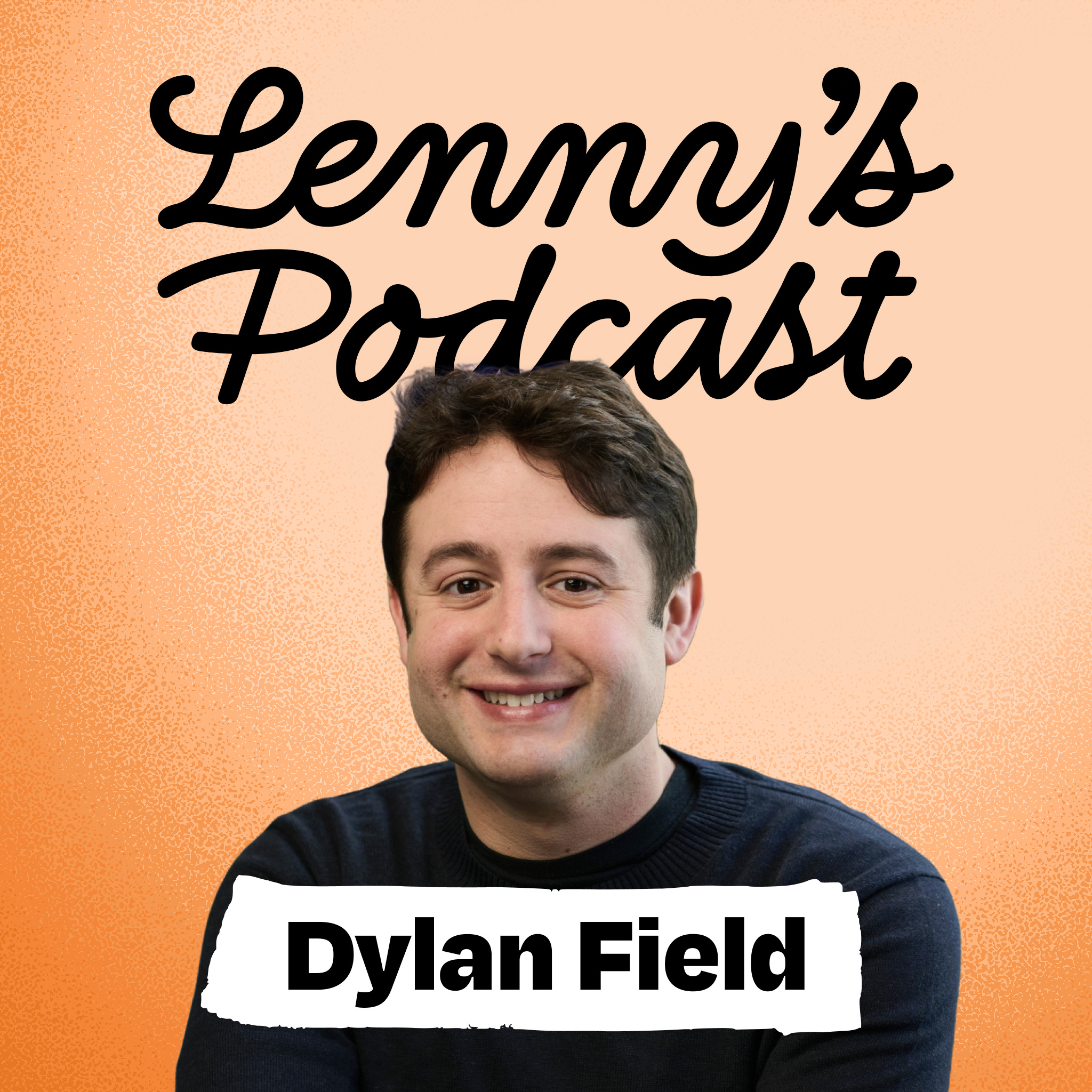
CEO Dylan Field combats organizational slowness by interrogating project timelines. He seeks to understand the underlying assumptions and separate actual work from "well-intentionally added" padding. This forces teams to reason from first principles and justify the true time required, preventing unnecessary delays.
Nolan justifies the arduous, all-consuming process of filmmaking by adopting the mindset that he's making the best film ever. This level of obsession is not just passion; it is a necessary psychological tool to endure the immense personal and professional strain.
When facing a creative wall during the editing of 'Inception', Nolan's solution was a 'ruthless cut.' This mirrors Rick Rubin's method of stripping a project down to its absolute essentials (e.g., 3 songs instead of 10) to regain clarity before carefully adding elements back.
Nolan avoids smartphones and email to maintain deep focus and control over his time. By forcing communication through assistants and in-person meetings, he ensures technology remains a tool that serves his creative process, rather than a master that dictates his attention.
To maximize creativity and dynamism, Netflix operates with minimal process, managing as "loosely" as possible without falling into actual chaos. Unlike manufacturing, which seeks to reduce variance, creative organizations should embrace high variance to foster innovation.
![Reed Hastings - Building Netflix - [Invest Like the Best, EP.453] thumbnail](https://megaphone.imgix.net/podcasts/2f1ecac4-e4ba-11f0-a8e8-777eb8de0c5a/image/28fb3c25b09448a35f17657a5e614900.jpg?ixlib=rails-4.3.1&max-w=3000&max-h=3000&fit=crop&auto=format,compress)
Nolan deliberately labels himself a "craftsman," a term also used by George Lucas. This reframes filmmaking as a skilled trade focused on tangible construction and problem-solving, rather than purely abstract artistic expression. It emphasizes process, discipline, and the mastery of tools.
Even when studios expected it, Nolan refused to fully convert to the industry-standard digital editing workflow. He continues to shoot on film and physically cut the negative, a deliberate choice to preserve a specific creative process and differentiate his work from the mainstream.
Instead of finishing one page at a time, Miller revolutionized his workflow by batching tasks: all layouts, then all pencils, then all inks. This seemingly rigid, assembly-line process sped up production and, counterintuitively, resulted in more spontaneous and fluid final line work.

Deadlines weed out extraneous details and prevent the quest for perfection. They force decisive action, which, as leaders like Ed Catmull and Christopher Nolan have found, can accelerate the creative process rather than hinder it, forcing you to make something different, not just perfect.
Nolan embraces a pessimistic outlook, constantly planning for the worst-case scenario. This isn't a lack of confidence, but a strategic mindset that forces him to anticipate potential problems and build robust plans to prevent them, ultimately making his films more likely to succeed.