Get your free personalized podcast brief
We scan new podcasts and send you the top 5 insights daily.
OpenAI's AI solved a Millennium Prize problem, but the math community is unenthusiastic. They value the new insights and techniques generated during the problem-solving journey—the 'how'—not just the final answer, which the AI's paper fails to detail.

Related Insights
There's a critical distinction between a proof (which establishes truth) and an explanation (which provides understanding). Even when a complex mathematical problem is solved, there remains an 'unsolved expository problem' of making the solution comprehensible. This need for clarity and intuition will remain a crucial area for human or AI effort, even after theorems are proven.
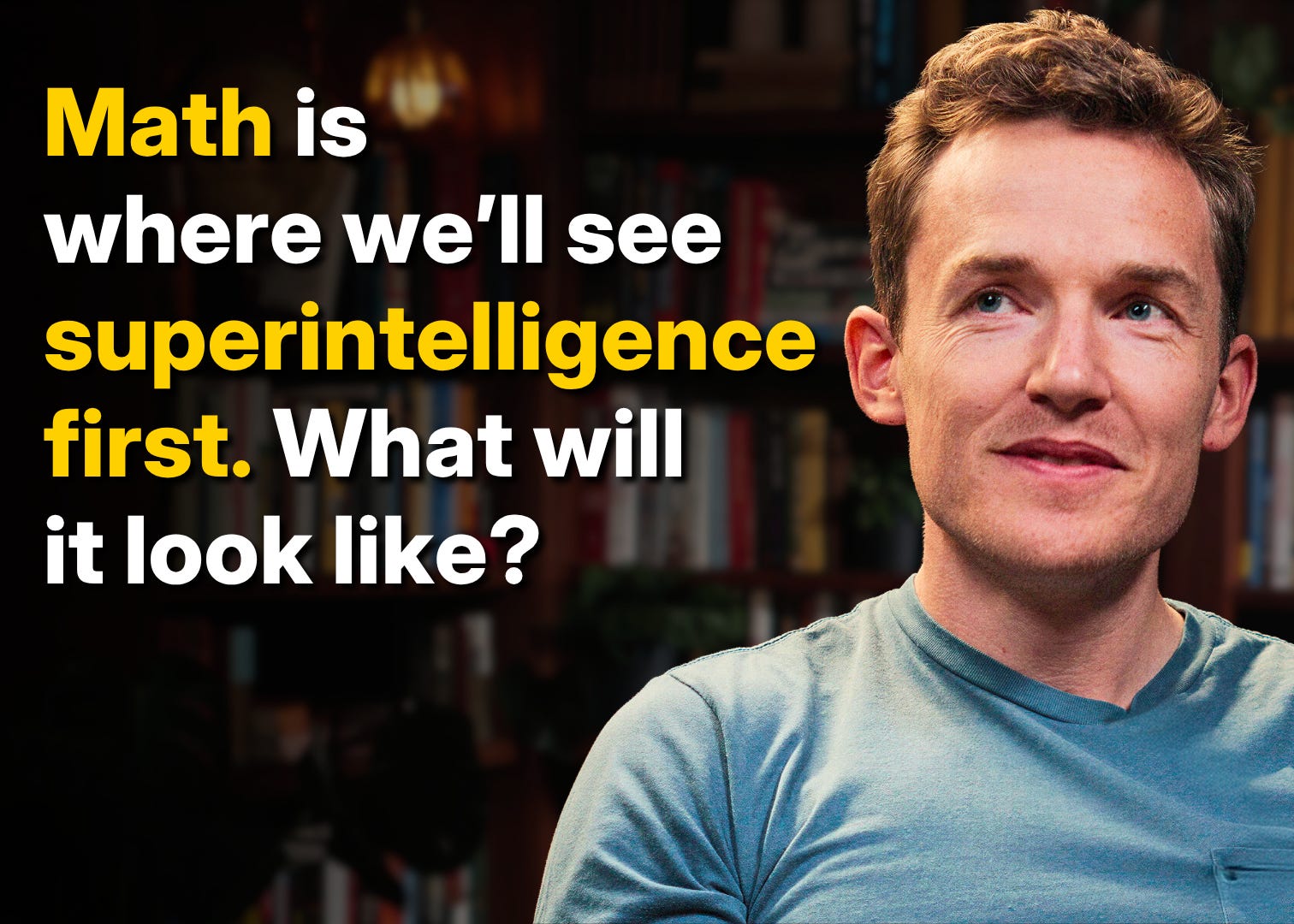
Top AI models are now solving major open problems in mathematics, leading some in the field to feel their core purpose is being automated away. This isn't just about tools; it's a profound identity crisis for a discipline built on human ingenuity and the pursuit of solving theorems.

An AI model disproved a mathematical conjecture not through a flash of creative genius, but by methodically applying a known technique from a different math subfield. This highlights AI's current strength: synthesizing vast, disparate human knowledge rather than generating truly novel, alien ideas. It's an exhaustive librarian, not an intuitive genius.

The solution to the Erdős unit distance problem stands out not for its computational power, but for its creativity. The AI imported classical techniques from an entirely different mathematical field, a hallmark of human ingenuity, and produced a fruitful result that sparked further human research.

OpenAI's Astra model solving major open problems in mathematics has led to a profound sense of despair among some experts. The sentiment, described as "The dark night of mathematics," reflects a fear that AI is not just automating tasks but devaluing a deeply human field of intellectual discovery.
A mathematician argues that the ultimate purpose of his field is to produce human understanding, not just research papers. The prospect of crucial insights being locked away in opaque model weights is "unsatisfying," highlighting the need to prioritize the development of human expertise even as AI capabilities grow.
While an AI-generated mathematical proof can be logically verified, the process remains a black box. It's unknown how many attempts were made or how much human guidance was involved. This lack of transparency makes it difficult to assess the true, repeatable capability of the system.
The core fear isn't just automation, but that AI will mechanistically solve existing problems without the creative leap that opens up entirely new fields of research. This could leave the discipline sterile, with a list of solved questions but no new avenues for human-led discovery.
Even if AI could instantly prove any mathematical claim, it wouldn't end the field. The truly creative and valuable work in mathematics lies in higher-level tasks AI can't do: asking interesting questions, identifying fruitful problems, and inventing entirely new branches of mathematics like calculus or information theory.
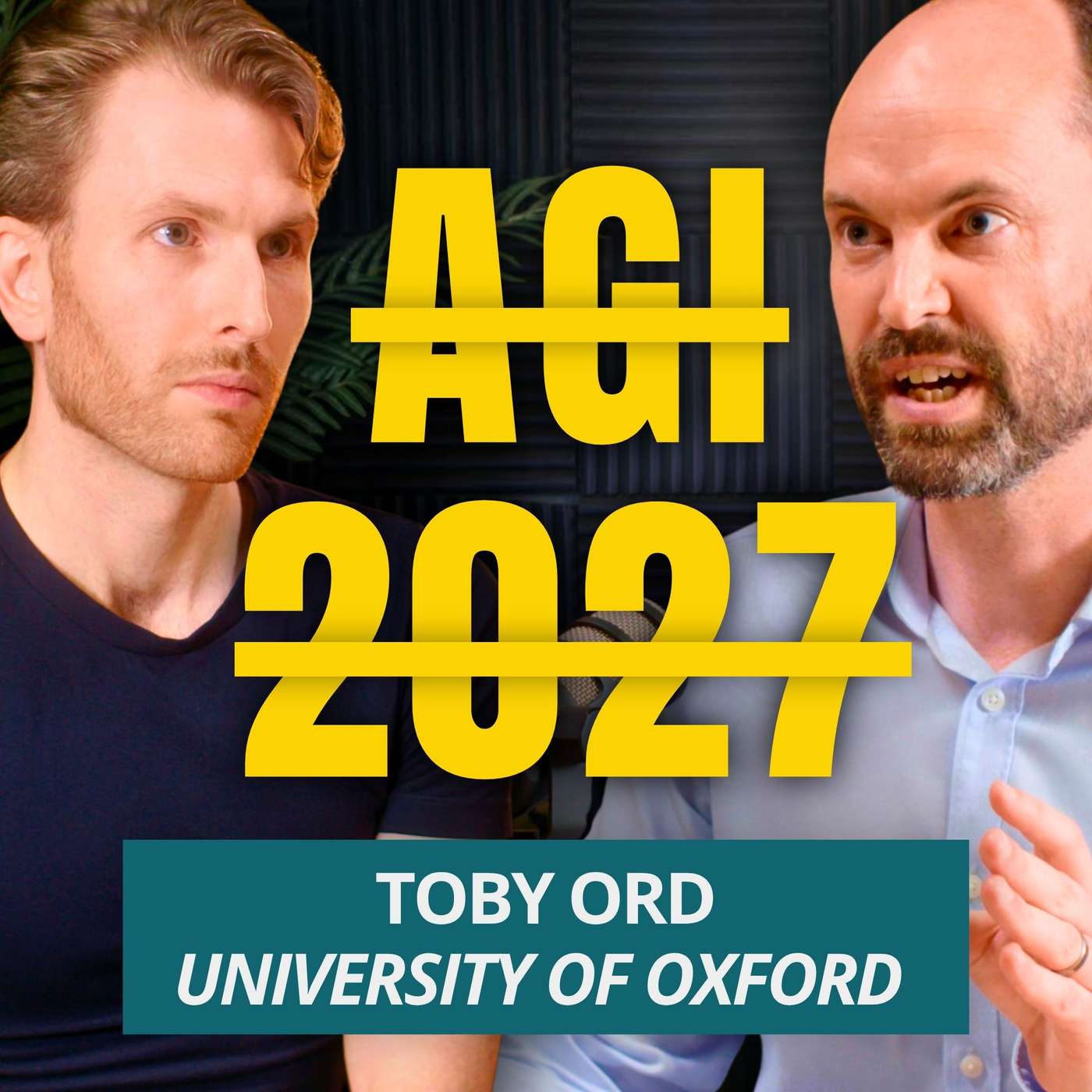
Simply generating a mathematical proof in natural language is useless because it could be thousands of pages long and contain subtle errors. The pivotal innovation was combining AI reasoning with formal verification. This ensures the output is provably correct and usable, solving the critical problems of trust and utility for complex, AI-generated work.
