Get your free personalized podcast brief
We scan new podcasts and send you the top 5 insights daily.
The designer on the "Cofounder" team, though not a classically trained engineer, became one of Gusto's most prolific coders. She ranked in the 94th percentile for code throughput, a feat attributed to her technical curiosity, AI tools, and the team's commitment to mentoring and reviewing her code.

Related Insights
AI tools have democratized software development, with nearly half of users who 'vibe code' coming from executive, product, operations, and sales roles. Coding is no longer an exclusive engineering function but a universal skill for problem-solving across the entire business.

The most effective designers often possess a degree of technical skill. Before AI, this was a high barrier. Now, AI coding assistants empower designers to experiment with code and operate "dangerously" in the terminal, making this valuable skillset far more accessible.
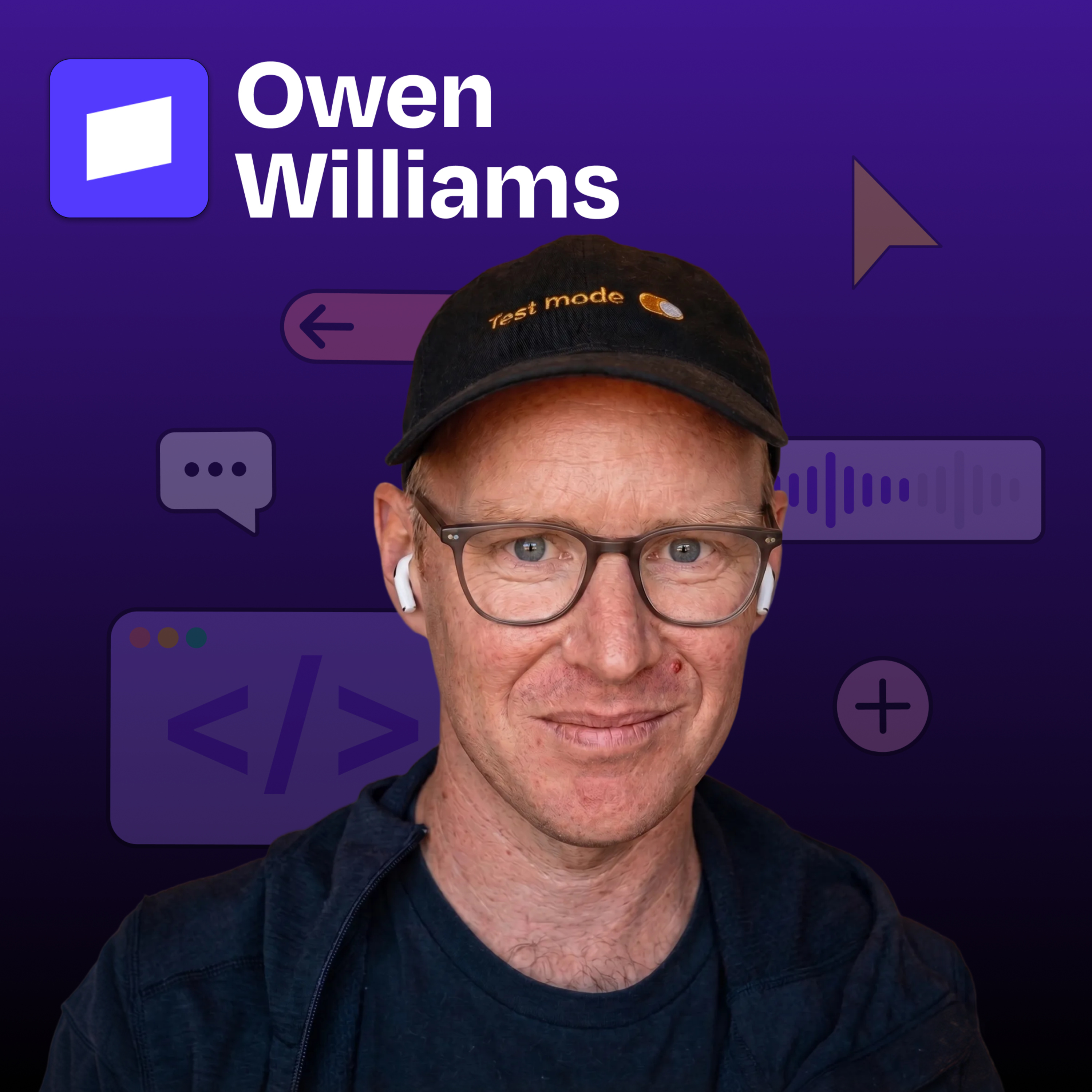
The role of a designer on a developer-focused AI product has fundamentally changed. Ed Bays from OpenAI reports spending 70-80% of his time coding, indicating that design execution at the frontier is now primarily a software engineering discipline.

The original architect of Hermes Agent, Technium, was able to build a world-class application without deep coding expertise by leveraging modern AI tools. This demonstrates that vision and drive can be more critical than traditional programming skills in the current AI landscape.
The latest AI coding assistants facilitate a massive leap in developer productivity. The host demonstrated this by merging 44 pull requests and adding nearly 93,000 lines of code in just five days, a workload that would typically take an entire team months to complete, making the scale of the impact concrete.
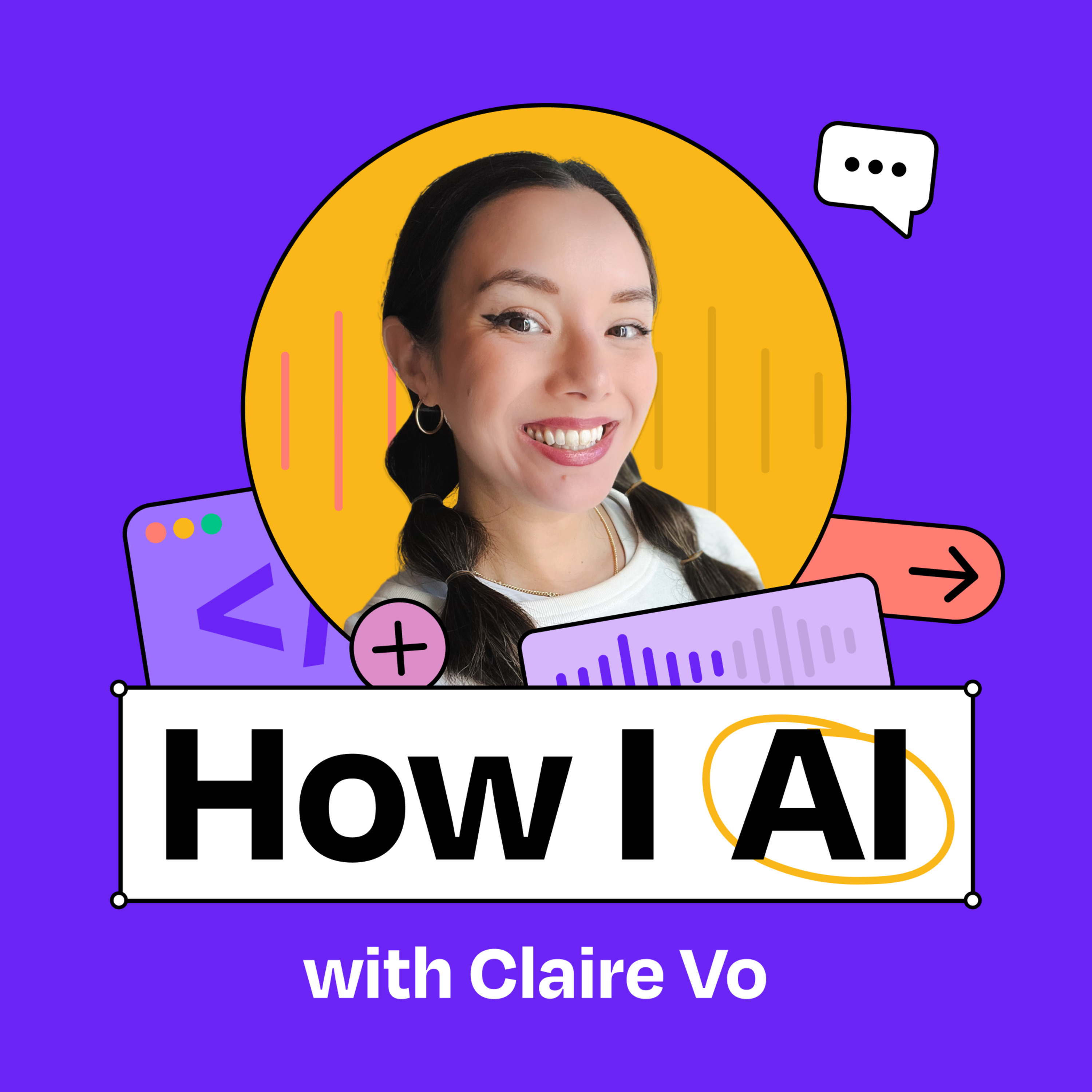
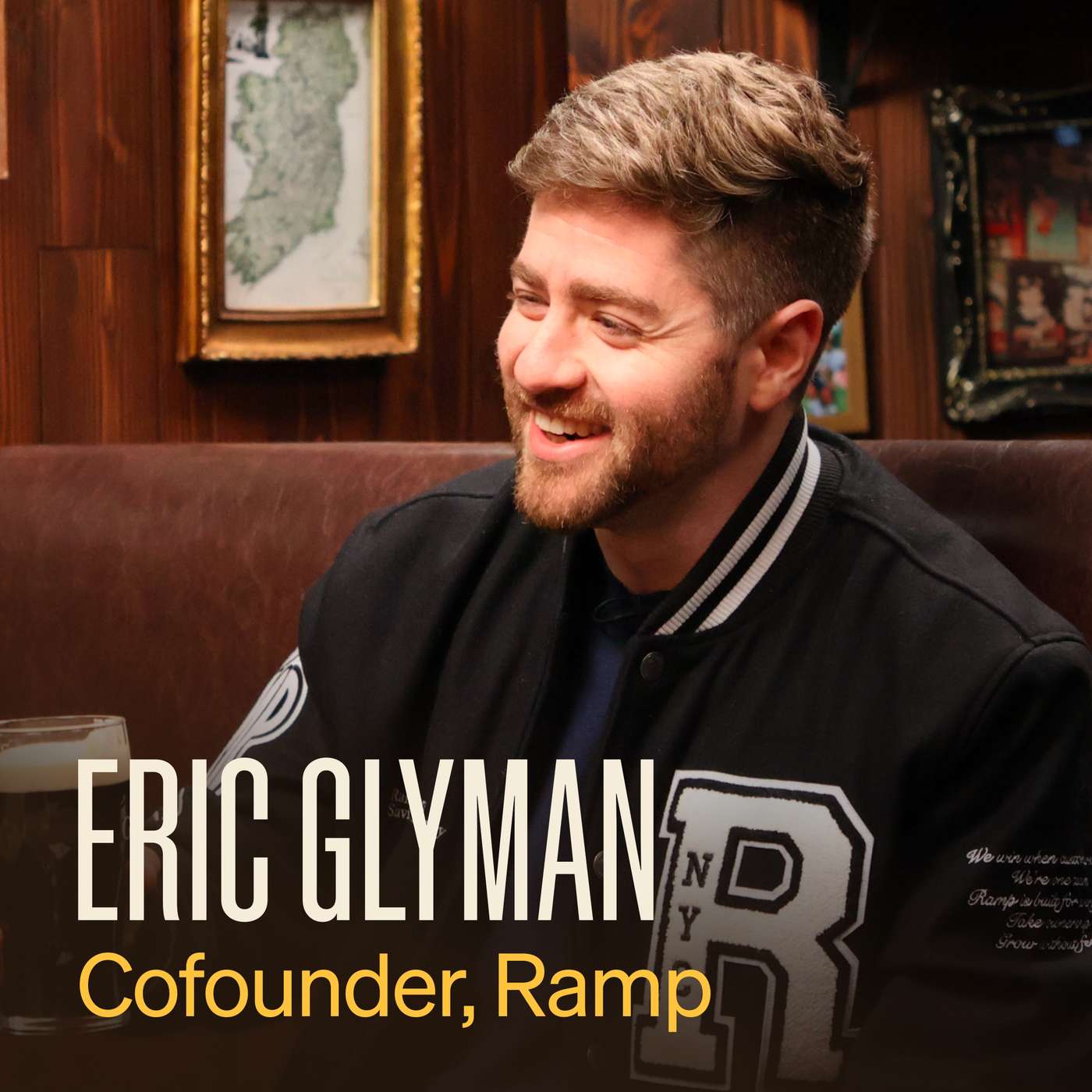
With AI coding assistants, the barriers to shipping software are eroding. At Ramp, designers and customer support agents are now shipping code to production. This suggests a future where the traditional, siloed Engineering, Product, and Design (EPD) team structure becomes obsolete.
Generative AI can function as an on-demand tutor, explaining concepts and guiding non-developers through building prototypes. This removes the traditionally high barrier to entry for coding, empowering roles like content designers to contribute directly to the codebase and learn interactively.

AI acts as a massive force multiplier for software development. By using AI agents for coding and code review, with humans providing high-level direction and final approval, a two-person team can achieve the output of a much larger engineering organization.

Designers have historically been limited by their reliance on engineers. AI-powered coding tools eliminate this bottleneck, enabling designers with strong taste to "vibe code" and build functional applications themselves. This creates a new, highly effective archetype of a design-led builder.

The creator of "Last 30 Days" is not a professional software engineer. He built the tool by using AI (Claude Code, ChatGPT) as his development partner, feeding it errors via screenshots and iterating on its suggestions. This workflow empowers non-technical individuals to create and ship valuable software.
