Get your free personalized podcast brief
We scan new podcasts and send you the top 5 insights daily.
As the COO of an unpopular CEO, Bob Iger knew he would be blamed for past failures. He successfully won the top job by focusing his campaign entirely on a three-point vision for the future, effectively sidestepping his association with the previous regime and positioning himself as a change agent.

Related Insights
Mature companies should alternate between "extractor" CEOs who maximize operational efficiency and "dreamer" CEOs who drive product innovation. Apple's switch from operator Tim Cook to product-focused John Ternus exemplifies this strategic swing needed to spark new growth.

PepsiCo’s CEO won over Indra Nooyi not by criticizing competitor GE, but by acknowledging GE's strengths. He then made a personal commitment ("Count on me") to ensure her unique talents would specifically shape PepsiCo's future. This unconventional pitch built immense trust and highlighted his character as a leader.

To avoid repeating its prior chaotic CEO succession, Disney orchestrated a highly public and well-managed 'bake-off' between internal candidates. This telegraphed process, overseen by an external chairman famed for succession planning, stabilized the company and provides a model for other large corporations.

Instead of holding back, Tim Ellis laid out his entire strategic vision for reviving the NFL brand during his interviews. This display of confidence and clarity convinced leadership he was the right choice.

To avoid repeating the Bob Chapek succession "fiasco," Disney's board deliberately structured the process to retain the runner-up. By creating a new President and Chief Creative Officer role, they ensured the finalist had a strong partner and prevented a disruptive executive exit.

Early in his career, Bob Iger took responsibility for a significant failure in front of a powerful boss. This act, contrary to the instinct to deflect blame, communicated control over the situation and the ability to correct it. Taking responsibility is perceived by managers as more trustworthy, likable, and indicative of leadership potential.

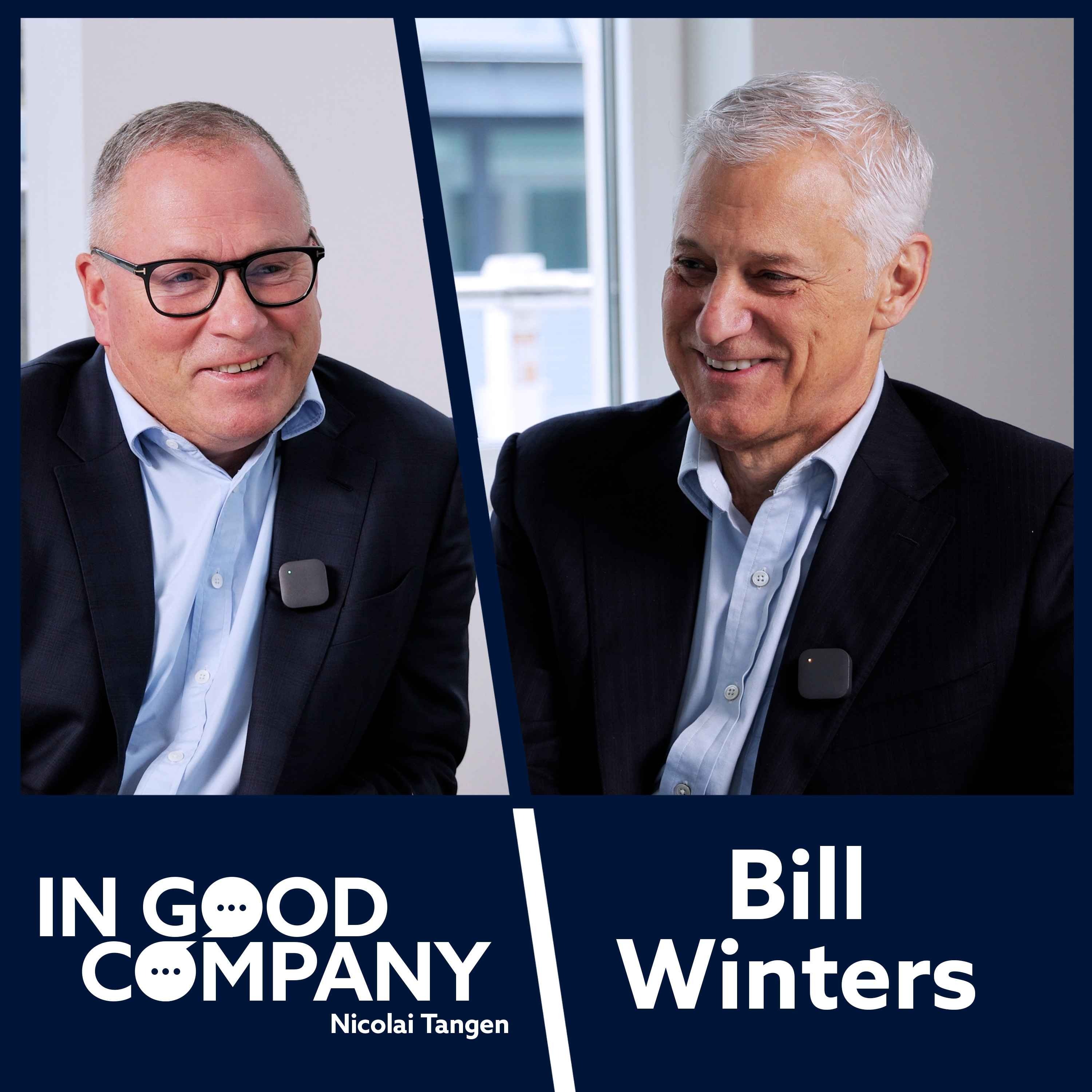
When communicating with shareholders during a crisis, Bill Winters didn't just present a plan. He explained why he, as an outsider with a comfortable life, chose the challenging CEO role. This demonstrated personal conviction in the bank's underlying value, building credibility beyond spreadsheets.
Tim Cook's legacy will be judged not only by Apple's massive growth but by the strategic position he leaves for the next CEO. Unlike Steve Jobs, who left a clear product roadmap, Cook's successor faces an uncertain AI landscape, which could retroactively impact Cook's own historical standing.

Former CMO Maryam Banikarim asserts that executive roles are deeply political. Navigating internal dynamics, managing stakeholder expectations, and understanding the unwritten rules are just as crucial as executing the job's functional responsibilities. This political acumen is often the difference between success and failure.
To get a CEO fully invested, position the rebrand not as a marketing initiative but as foundational infrastructure that touches every part of the business, from HR and recruiting to sales and customer operations. This reframing elevates its importance and ensures cross-departmental adoption.
