Get your free personalized podcast brief
We scan new podcasts and send you the top 5 insights daily.
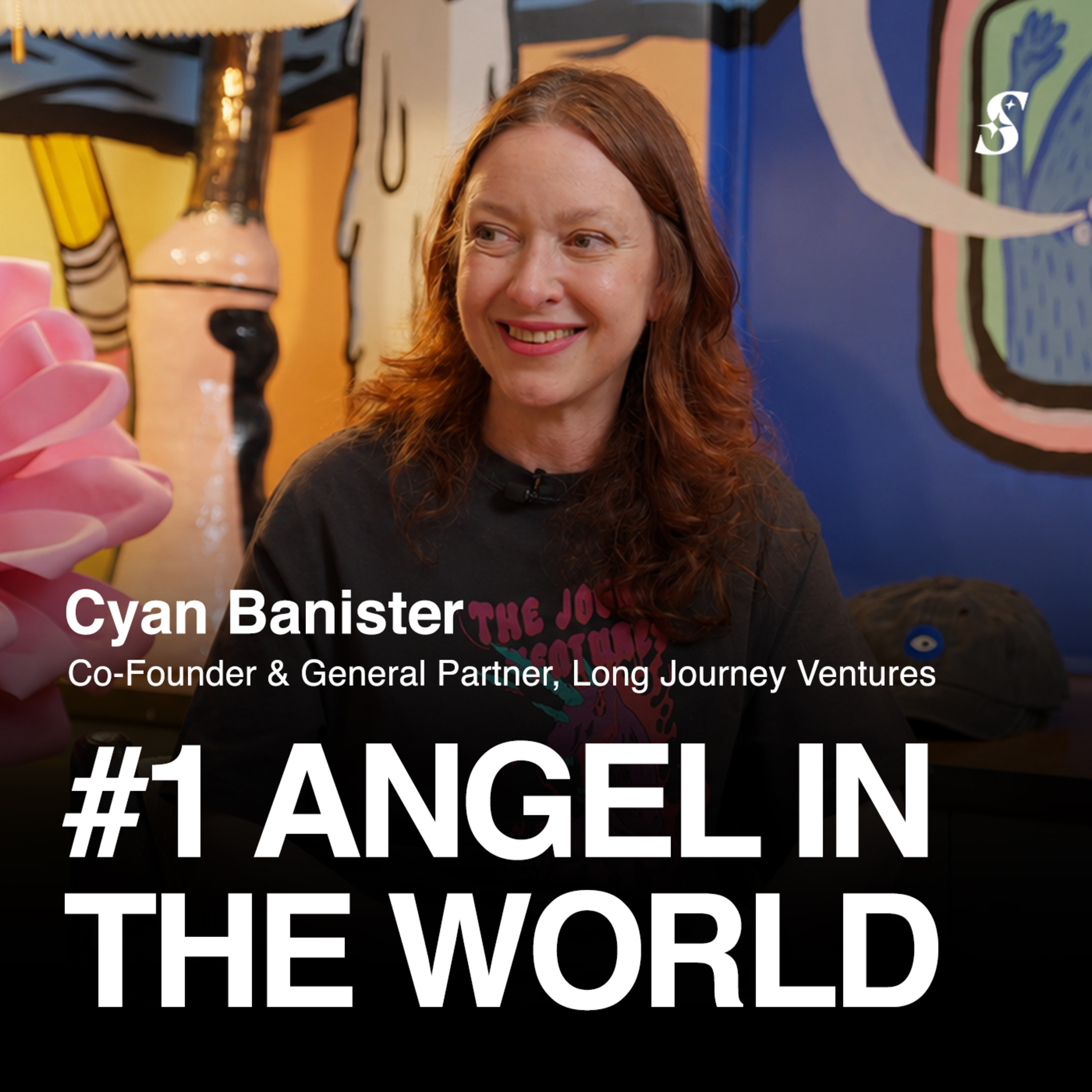
Based on PayPal Mafia member Luke Nosek's passionate plea, Banister invested all her liquidity from her Ironport sale into SpaceX during its early, failure-prone days. She viewed it as a high-conviction "YOLO" bet when others saw only failure.
Related Insights
SpaceX's potential $1.75T valuation can't be justified by a traditional "sum-of-the-parts" analysis of its current businesses. The premium reflects a venture-style bet on unproven, future projects like Starship, essentially offering public investors a chance to act as late-stage VCs.

Founders Fund’s early $20 million investment in SpaceX, representing nearly 10% of its $220 million fund, perfectly exemplifies the venture capital power law. This single, high-conviction bet is poised to become one of the greatest VC investments ever, showcasing a strategy where one outlier success can return an entire fund many times over.

Investors are backing Musk's unprecedented control and political leverage, which secures massive government contracts, rather than just the company's fundamentals. The investment thesis hinges on his personal brand and ability to influence policy, making it a unique founder-centric bet.

Facing bankruptcy for both Tesla and SpaceX, Musk split his last $40 million between them. This maximized personal risk but gave both humanity-centric missions a chance to succeed, demonstrating a deep commitment beyond financial returns.

Brian Singerman reveals that Founders Fund's early, high-conviction investment in SpaceX was an existential one. The firm's survival was entirely dependent on the success of this single, audacious bet, highlighting a strategy of taking career-defining risks on generational companies.

The immense hype surrounding the SpaceX IPO creates a dynamic where fund managers feel it's riskier to miss out on potential gains than to invest in a potentially overvalued company. If the IPO fails, many will fail together, but missing a massive success would be a fireable offense, driven by herd mentality.

The upcoming SpaceX IPO is poised to generate over $80 billion in combined gains for early venture investors. This outcome validates the strategy of large "mega-funds" making long-term, high-conviction bets on capital-intensive companies, challenging the narrative that such funds are too big to produce top-tier venture returns.

SpaceX's massive IPO valuation far exceeds traditional sum-of-the-parts analysis. The difference is the 'Elon Premium,' a belief in his ability to deliver extraordinary results. This highlights how a founder's personal brand and force of will can create value independent of financial metrics.
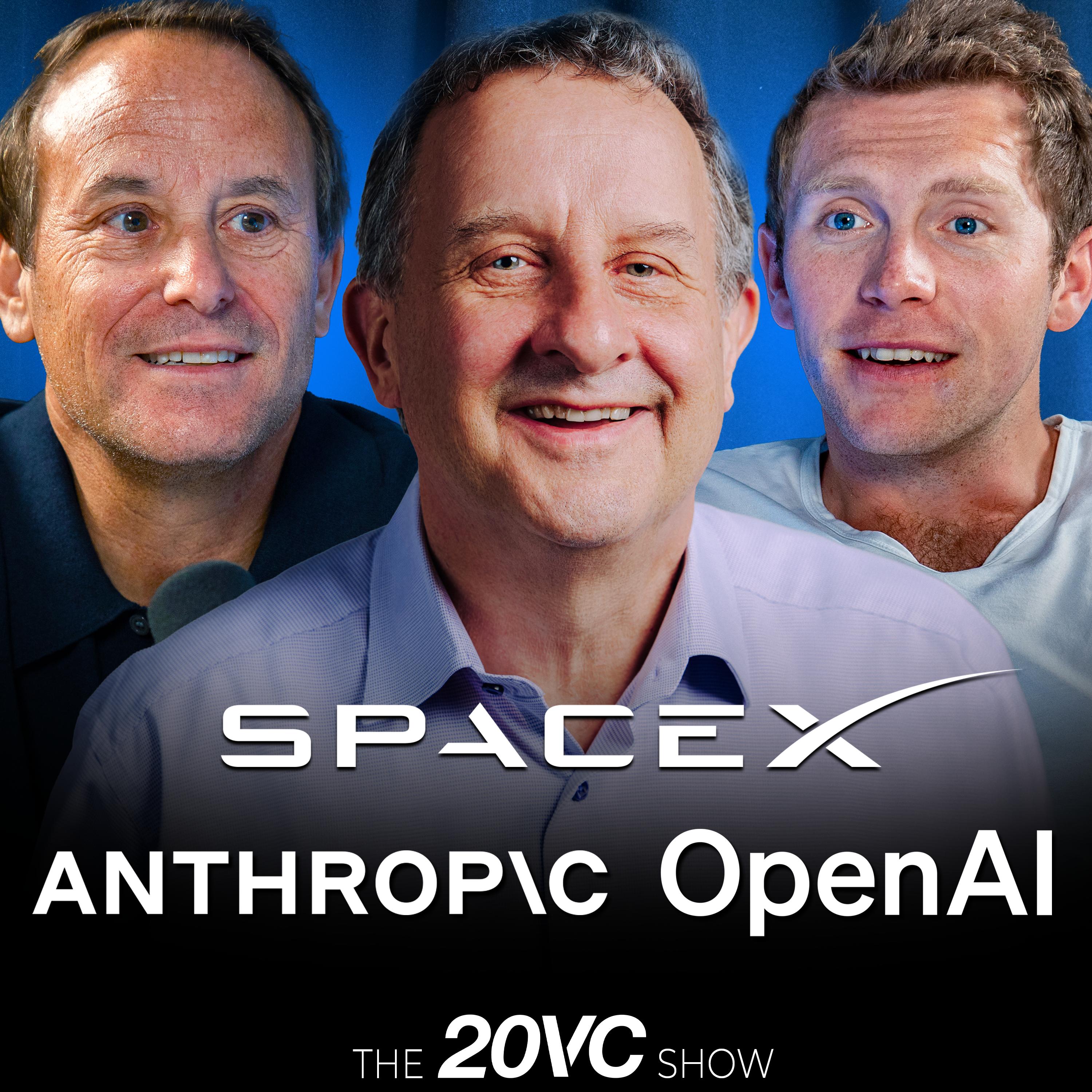
Founders Fund invested nearly 10% of its fund into SpaceX immediately following a launch failure, betting on Elon Musk's team despite their lack of aerospace experience. This exemplifies a high-conviction, founder-centric investment thesis that ignores conventional industry wisdom and short-term setbacks.

Founders Fund's investment in SpaceX is cited as one of the best ever, largely because they held the position for over a decade. This contrasts with the common VC practice of distributing shares at IPO, demonstrating that true generational returns come from long-term conviction, not quick exits.
