Get your free personalized podcast brief
We scan new podcasts and send you the top 5 insights daily.
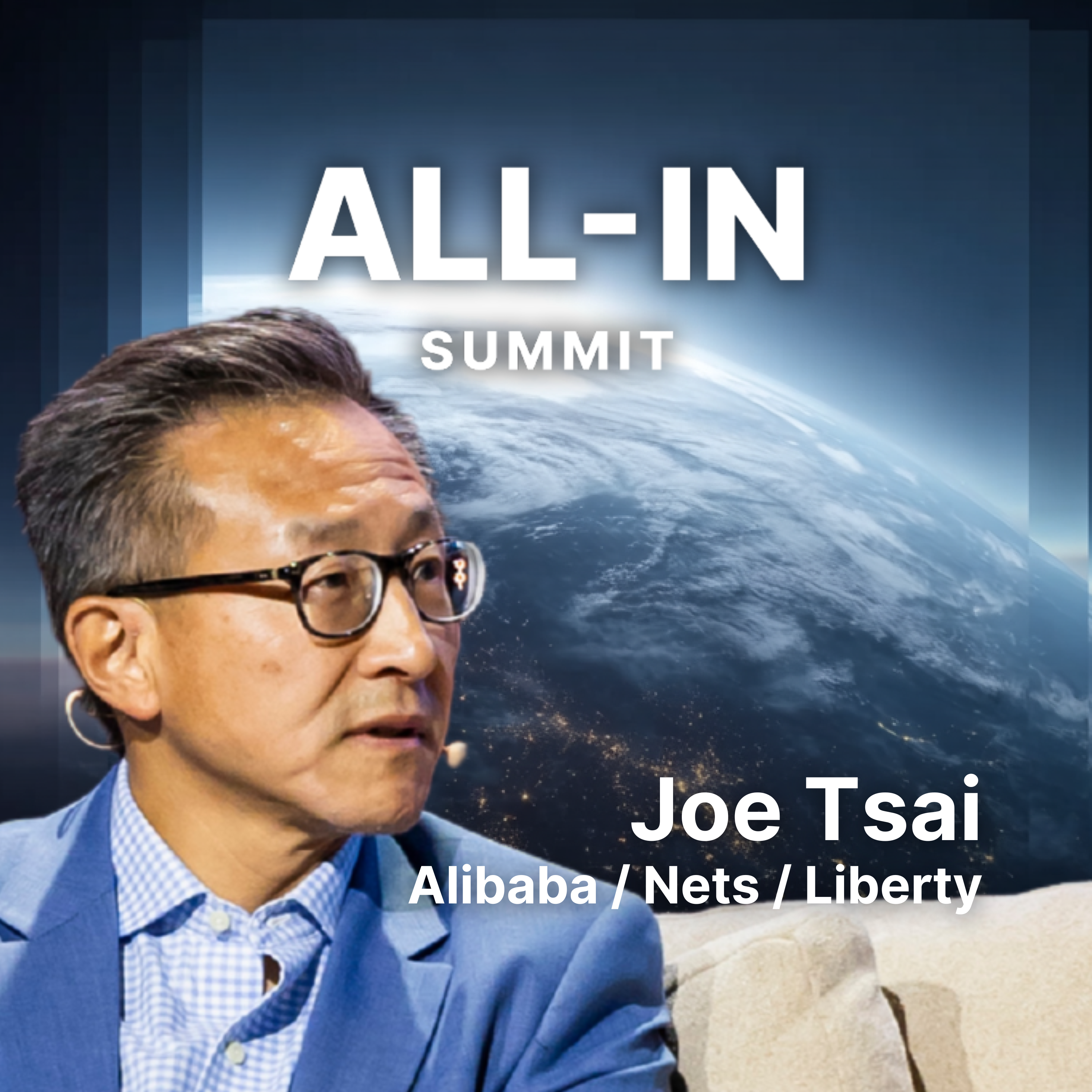
As a member of the NBA's Competition Committee, Joe Tsai views rule changes not just through a competitive lens, but as product decisions. He argues that altering elements like the three-point line directly impacts the on-court product that fans consume, shifting the focus from pure sport regulation to enhancing the fan experience.
Related Insights
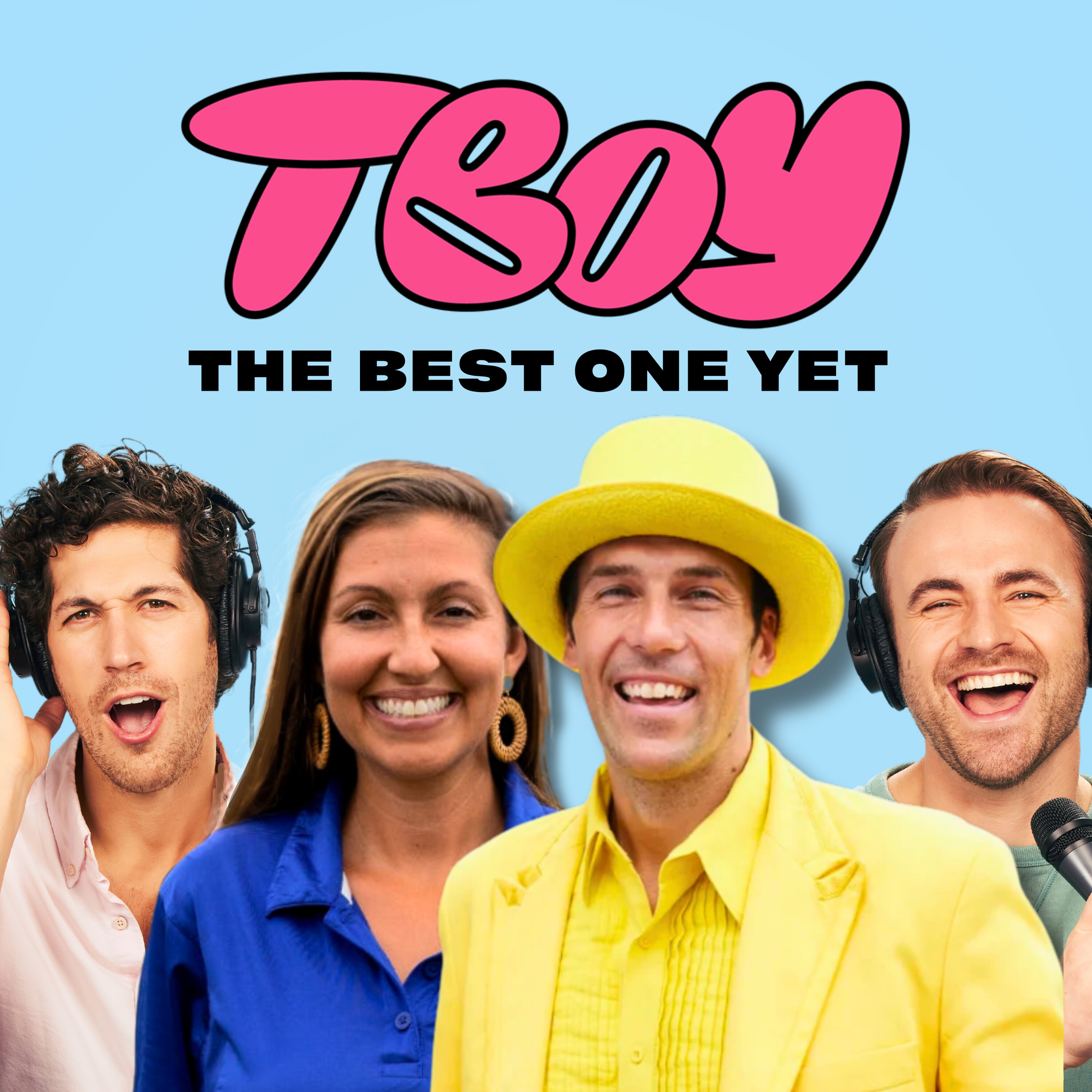
Instead of minor tweaks, the Bananas analyzed baseball from a fan's perspective, identifying slow moments like walks, mound visits, and long games. They then created 'Banana Ball,' a new sport designed purely for entertainment, proving that legacy products can and should be radically reinvented from first principles.
Facing declining ratings, the NFL pivoted by listening to fans. By investing in player health, safer rules, and initiatives like girls' flag football to broaden its appeal, the league successfully addressed public concerns and revitalized its brand for a new generation.

Sixth Street's sports strategy views iconic teams like FC Barcelona or the New York Yankees as global consumer brands, not just local franchises. This "local to global, enabled by technology" lens opens up investment opportunities based on brand value and consumer reach, moving beyond traditional sports team valuation metrics.

Founder Jesse Cole largely ignores financial meetings, focusing instead on metrics that directly impact fan experience. He obsessively tracks merchandise line wait times, game speed, and trick plays, believing that optimizing these customer-facing KPIs is the true driver of long-term financial success.

Unlike product marketing, sports marketing cannot control the core product’s performance (wins/losses). The primary job is to build deep, personal connections between fans and athletes. This creates emotional "insulation" where fan loyalty is tied to the people and the brand, not just unpredictable on-court results.
The NBA fosters a community where marketing leaders from competing teams openly share ideas. Because teams primarily operate in different local markets, they are not direct commercial rivals. This "coopetition" allows them to learn from each other's successes and failures, elevating the marketing of the entire league.
Innovate by adding unique, low-cost features with high perceived value. For a sports league, this could be live commentary by volunteers or custom trading cards, creating a premium experience that justifies a higher price.

In sports, internal-facing marketing assets like pre-game videos serve a dual purpose. They are designed to energize the players, which directly enhances their performance and, by extension, the fan experience. This creates a feedback loop where fan entertainment and player motivation fuel each other.
The Savannah Bananas' co-founder states the first step to building a fan base is identifying and removing every pain point a customer experiences. Before entertaining or experimenting, they tackled the core complaints of baseball: it's too long, slow, boring, and expensive. Eliminating friction is the prerequisite for innovation.

For decades, the math proved a 40% three-point shot was more valuable than a 50% two-point shot. Yet, the NBA was incredibly slow to adopt this strategy. This highlights how even high-stakes, data-rich industries can be slaves to tradition and status quo bias, ignoring obvious quantitative advantages.
