Get your free personalized podcast brief
We scan new podcasts and send you the top 5 insights daily.
Apple's failure to lead in generative AI is attributed directly to Tim Cook's decision to hire John Giannandrea, who was reportedly a skeptic of the technology's potential. This leadership choice led the company to miss the generative AI wave, a mistake they are now scrambling to correct.

Related Insights
Cook's tenure will be judged on a paradox. His myopic focus on perfecting Apple's existing products drove immense success. However, that same focus may have created a culture unprepared for the AI shift, potentially making his greatest strength the cause of a massive strategic failure if Apple cannot adapt.

Apple, known for deterministic and polished products, faces a significant cultural shift. It must now embrace the non-deterministic, "hallucinatory" nature of AI, which will inevitably lead to public failures and PR challenges unlike anything it has managed before.

Apple's new AI vision aligns with current tech capabilities, a significant improvement from past overpromises. However, the company's track record with AI is poor. Labeling the new Siri a 'beta' internally and hinting at a waitlist suggest a continued struggle with execution, which remains their primary obstacle to success.

Craig Federighi, Apple's AI lead, imposes a deeply frugal and skeptical mindset on AI development, scrutinizing budgets down to team snacks. This cautious approach clashes with the resource-intensive nature of AI research, creating internal friction and finger-pointing over the slow progress that necessitated the Google Gemini deal.

Tim Cook's operationally brilliant tenure (2011-2024) is framed as coinciding with a period of technological stagnation in AI. His leadership is bookended by Siri's ambitious launch and the recent LLM boom, suggesting Apple's perceived slowness in AI was a feature of the era, not just a corporate failure.

Contrary to the narrative that Apple is wisely waiting out the AI hype, reporter Mark Gurman asserts their AI strategy has been a "disaster." He claims the tech giant was "completely caught off guard" by ChatGPT and its anti-chatbot stance was a major mistake, revealing a significant strategic miss, not a deliberate, patient approach.

Apple struggles with AI due to a cultural mismatch. Apple excels at deterministic, well-scripted product experiences developed on long, waterfall-style cycles. This is the antithesis of modern AI development, which requires rapid, daily iteration and a comfort with the uncontrolled, 'Wild West' nature of the technology.

While critics viewed Apple's lack of AI investment as a failure, it resulted in a strong strategic position. By waiting out the initial model development race, Apple avoided massive R&D costs and can now partner with leading model providers to integrate AI into its dominant hardware ecosystem.

Apple's attempt to lead in AI by hiring Google's former AI head backfired spectacularly. This single hire is considered the biggest mistake of Tim Cook's tenure, leaving Apple significantly behind its competitors in the AI race despite an early lead with Siri.
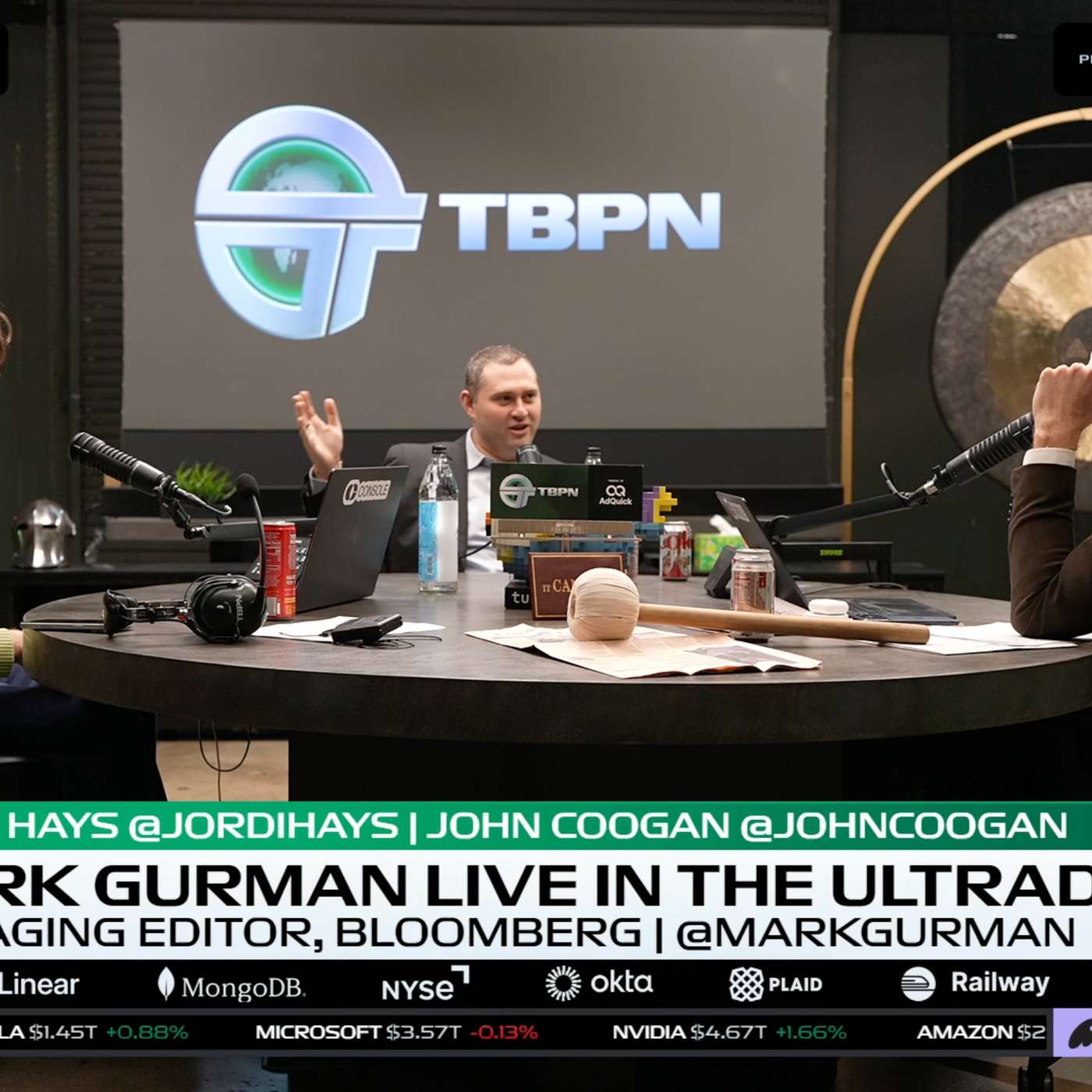
According to Bloomberg's Mark Gurman, Apple's 2018 hiring of Google's AI chief was a strategic disaster that left the company far behind in AI. The subsequent multi-billion-dollar deal to integrate Google's Gemini model into Siri is a stark admission of this failure, forcing Apple to rely on a direct competitor for core functionality.
