Get your free personalized podcast brief
We scan new podcasts and send you the top 5 insights daily.
Alix treated her core design service as a content-generation engine, not a direct revenue source. By not charging clients, she fueled viral social media growth, which led to much larger, more scalable opportunities like product lines and book deals.

Related Insights
Resisting the urge for quick monetization builds immense audience trust. When you consistently provide overwhelming value without asking for anything in return, you build a loyal community that will eventually be eager to pay you. This long-term approach creates a more valuable and defensible brand.

Natalie Ellis attributes her brand's organic growth ($40M revenue on <$3M ad spend) to one principle: never sacrificing long-term results for short-term revenue. This means resisting the urge to over-promote or burn out her audience, instead choosing to build trust that pays off exponentially over time.

Hormozi's first million outside his gyms came from a 'free' offer where he paid for marketing and worked for free, keeping only the initial cash from new customers he acquired for gym owners. This demonstrates that 'free' can be a highly profitable acquisition model, not just a loss leader.

Jacoby initially built her network by helping athletes for free, establishing deep trust. This "out of love" approach was key to her longevity, but she had to consciously transition to charging for her value to create a sustainable career, a common challenge for relationship-based entrepreneurs.

Your free content should be your best information, teaching the "what" and the "why." Monetization comes from selling the "how"—the implementation. This can be through services, coaching, or products that help your audience apply the knowledge you've freely given them.
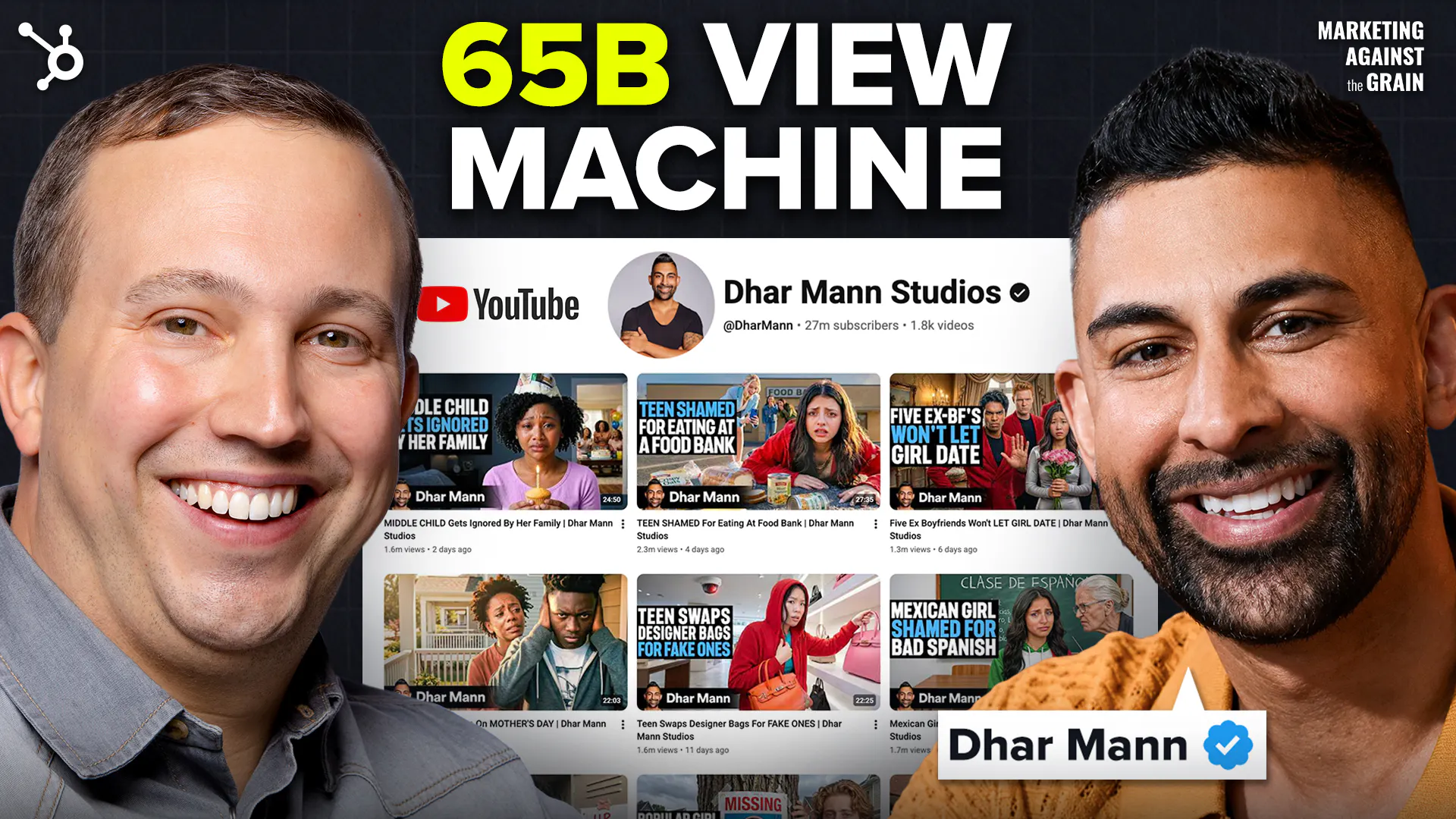
Dhar Mann chose to forgo lucrative "spectacle-based" content that chases short-term views. By staying true to his mission of heartfelt storytelling, he built a unique brand that became more valuable to partners seeking genuine emotional connection. This long-term strategy ultimately led to a 10x growth in brand deals.
Experts often fear that sharing their "secret sauce" will make them obsolete. The opposite is true. Freely sharing your deepest knowledge builds authority and trust, attracting premium clients who are convinced you know how to solve their problem.

Clay demonstrated a radical commitment to brand from day one. The company purchased the premium domain clay.com and contracted a claymation artist—who charged a recurring "SaaS" fee for his art—all before the business had any meaningful revenue, embedding the brand deep into its DNA.

Before social media, Anastasia Soare's primary marketing strategy was perfecting her craft on every single client, regardless of their status. She knew that exceptional, consistent results would turn each person into a walking advertisement, generating powerful word-of-mouth referrals that built her initial brand.

Instead of trying to monetize every user, Polly strategically views casual, free creators as 'pollinators.' These users introduce the app into an organization and distribute it widely. This creates top-of-funnel awareness which eventually puts the product in front of high-value 'flowers' (buyers) who will pay.
