Get your free personalized podcast brief
We scan new podcasts and send you the top 5 insights daily.
Vitalik Buterin advocates for a world with open and verifiable hardware. For example, a street camera could use cryptographic attestations to prove its software only detects violence and isn't being used for broader surveillance. This approach aims to deliver the safety benefits of sensors without creating a tool for oppression.

Related Insights
As AI-powered sensors make the physical world "observable," the primary barrier to adoption is not technology, but public trust. Winning platforms must treat privacy and democratic values as core design requirements, not bolt-on features, to earn their "license to operate."
Vitalik Buterin suggests that slowing AI progress to buy time for safety is a valid goal. He argues the most feasible and least dystopian method is to limit hardware production. Since chip manufacturing is already highly centralized, it presents a control point that avoids more invasive, freedom-restricting measures.
The rise of convincing AI-generated deepfakes will soon make video and audio evidence unreliable. The solution will be the blockchain, a decentralized, unalterable ledger. Content will be "minted" on-chain to provide a verifiable, timestamped record of authenticity that no single entity can control or manipulate.

Instead of detecting AI fakes, a new approach focuses on proving authenticity at the source. Organizations like C2PA work with hardware makers to embed cryptographic signatures into photos and videos, creating a verifiable chain of "content provenance" that proves an asset was captured by a real device.

As powerful AI capabilities become widely available, they pose significant risks. This creates a difficult choice: risk societal instability or implement a degree of surveillance to monitor for misuse. The challenge is to build these systems with embedded civil liberties protections, avoiding a purely authoritarian model.

The paradigm shift with crypto is not about trusting a new entity like a developer. Instead, it eliminates the need for interpersonal trust by allowing anyone—especially competing businesses—to verify the system's integrity through open-source code.

As AI makes digital content and transactions nearly free to create, trust evaporates. Crypto primitives like blockchains offer a solution by providing verifiable identity, provenance (chain of custody), and reliable on-chain data, which is crucial for both humans and AI agents to operate safely.
Vitalik Buterin's D/AC philosophy advocates for intentionally accelerating defensive technologies—like provably secure software, biosecurity, and privacy-preserving sensors. The goal is to make civilization robust enough to withstand the inevitable shocks and risks that come with more powerful, generally available AI capabilities.
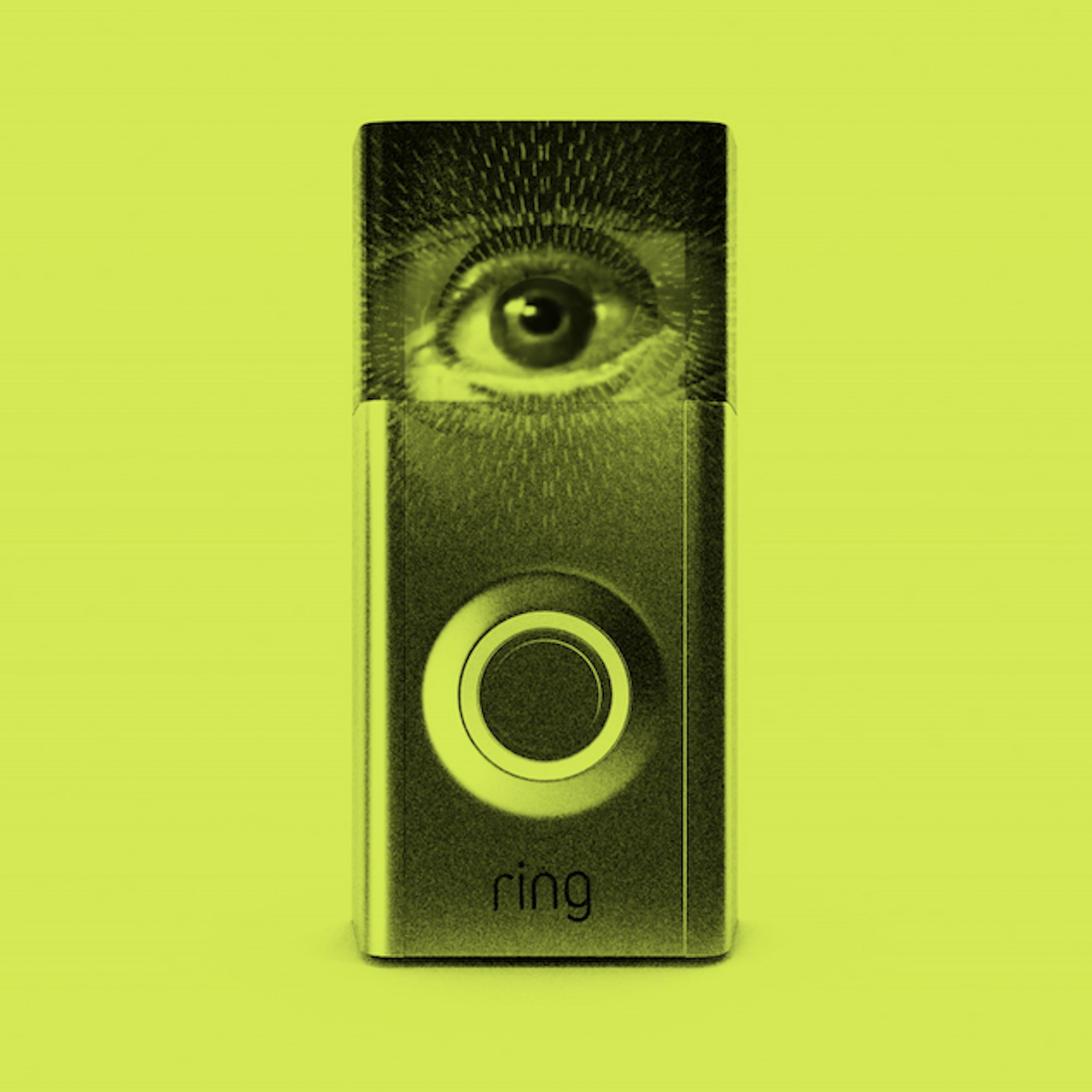
Amidst the rise of AI-generated fakes, proving video authenticity is becoming critical. By building closed systems that can maintain a 'digital fingerprint' and chain of custody for video, companies like Ring are positioned to become indispensable arbiters of truth for the legal system, not just camera providers.
The goal for trustworthy AI isn't simply open-source code, but verifiability. This means having mathematical proof, like attestations from secure enclaves, that the code running on a server exactly matches the public, auditable code, ensuring no hidden manipulation.
