Get your free personalized podcast brief
We scan new podcasts and send you the top 5 insights daily.
Hasan Piker displays contradictory personas: one as a radical who "hates America" and another as a reformer who "believes in its promise." This isn't confusion but a deliberate code-switching strategy to energize his base with radical rhetoric while maintaining a more palatable image for a broader audience.

Related Insights
A strange ideological alignment exists between Islamists and the far-right. Both groups aggressively promote the narrative that Islam is fundamentally incompatible with Western civilization. This shared premise, though used for different ends, fuels a self-perpetuating cycle of social tension and mutual antagonism.

Effective politicians operate less as policy experts and more as skilled entertainers. They adopt a specific 'genre'—like different styles of rap—to emotionally move their audience. This allows them to build a strong following and obfuscate a lack of concrete, cause-and-effect policy planning, focusing on feeling over function.

The podcast actively redefines being a "moderate" from a passive, "mushy" position to an aggressive one. They argue that true moderates "rage against the extremes" and represent a principled stance of critical thinking, not a lack of conviction. This reframes the political center as a fighting position for an audience that wants consensus but doesn't want to "give up the fight."

After years in media, Hasan Piker reveals a pragmatic political approach, viewing candidates as disposable tools to advance an agenda rather than figures to idolize. This marks an evolution from the 'all-or-nothing purist' stance, acknowledging the necessity of working within a system of disappointments.

Islamists strategically exploit liberal norms like tolerance and identity politics. They frame the hijab as 'empowerment' or criticism of blasphemy laws as 'Islamophobia' to dismantle core liberal values like free speech and gender equality from within the system.

Uttar Pradesh's leader, Yogi Adityanath, presents himself as an economic pragmatist to investors and foreign media, focusing on infrastructure and GDP. Simultaneously, for his domestic base, he amplifies Hindu nationalist rhetoric and stokes religious tensions, demonstrating a calculated political duality.
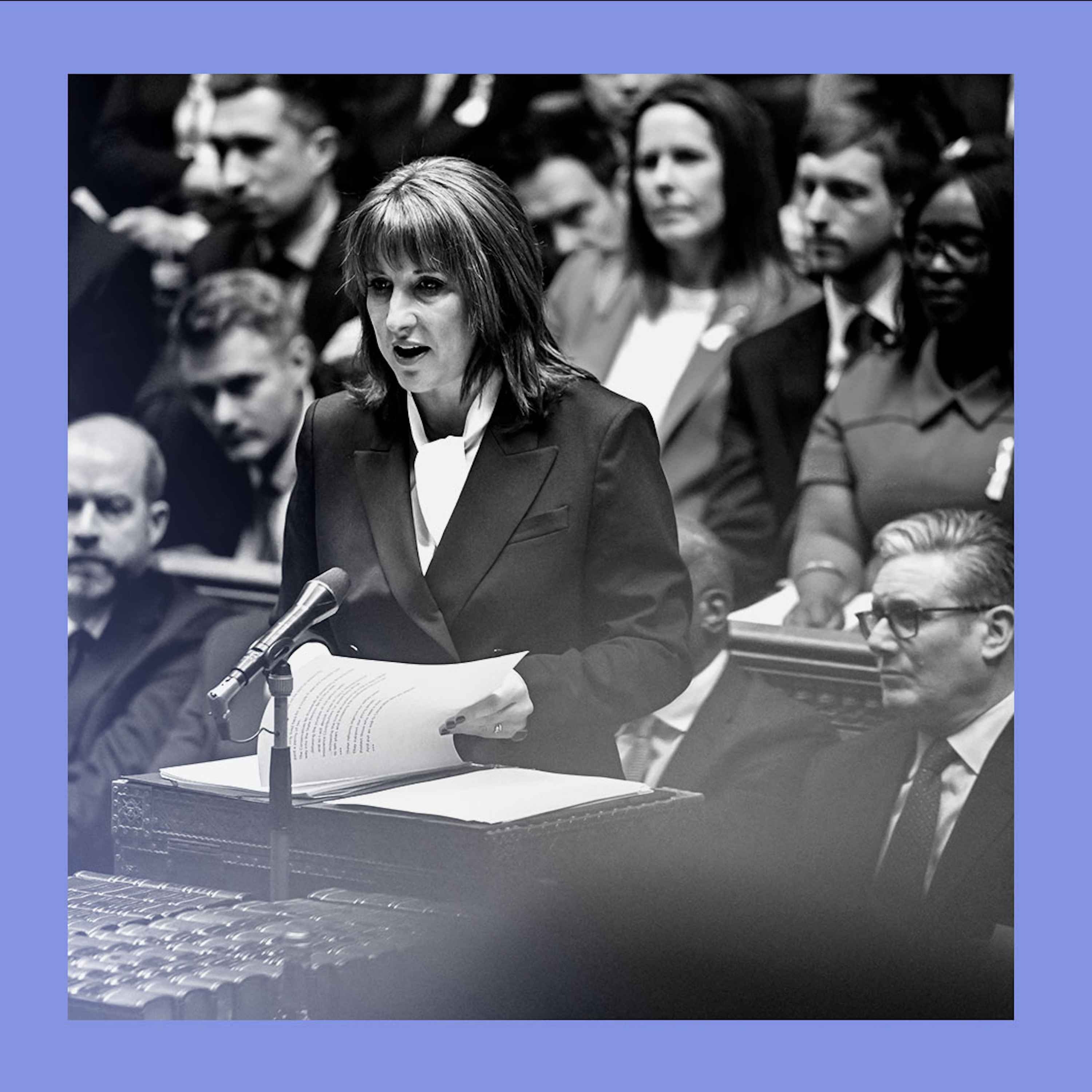
In populist moments, leaders often abandon the idea of compromise and instead treat the opposing side as an enemy to be defeated. Language describing American cities as "war zones" or "training grounds" reveals this divisive mindset, which prioritizes conflict over unity.

Hasan Piker reveals he has become more careful with his words not due to general criticism, but because his commentary was used against political allies like Zohran Mamdani. The primary goal is to support an agenda, not become a distracting liability for the opposition.
Harris warns that prominent progressive media like The New York Times are making a 'colossal moral and political error' by platforming extremist figures like Hasan Piker. He argues this signal-boosting could render the Democratic party unelectable in future elections.

Trump simultaneously suggests the war is nearly complete to reassure investors and threatens "death, fire and fury" to deter adversaries. This is not confusion, but a deliberate dual-messaging strategy to manage both economic fallout and geopolitical posturing, targeting different audiences with different messages.