Get your free personalized podcast brief
We scan new podcasts and send you the top 5 insights daily.
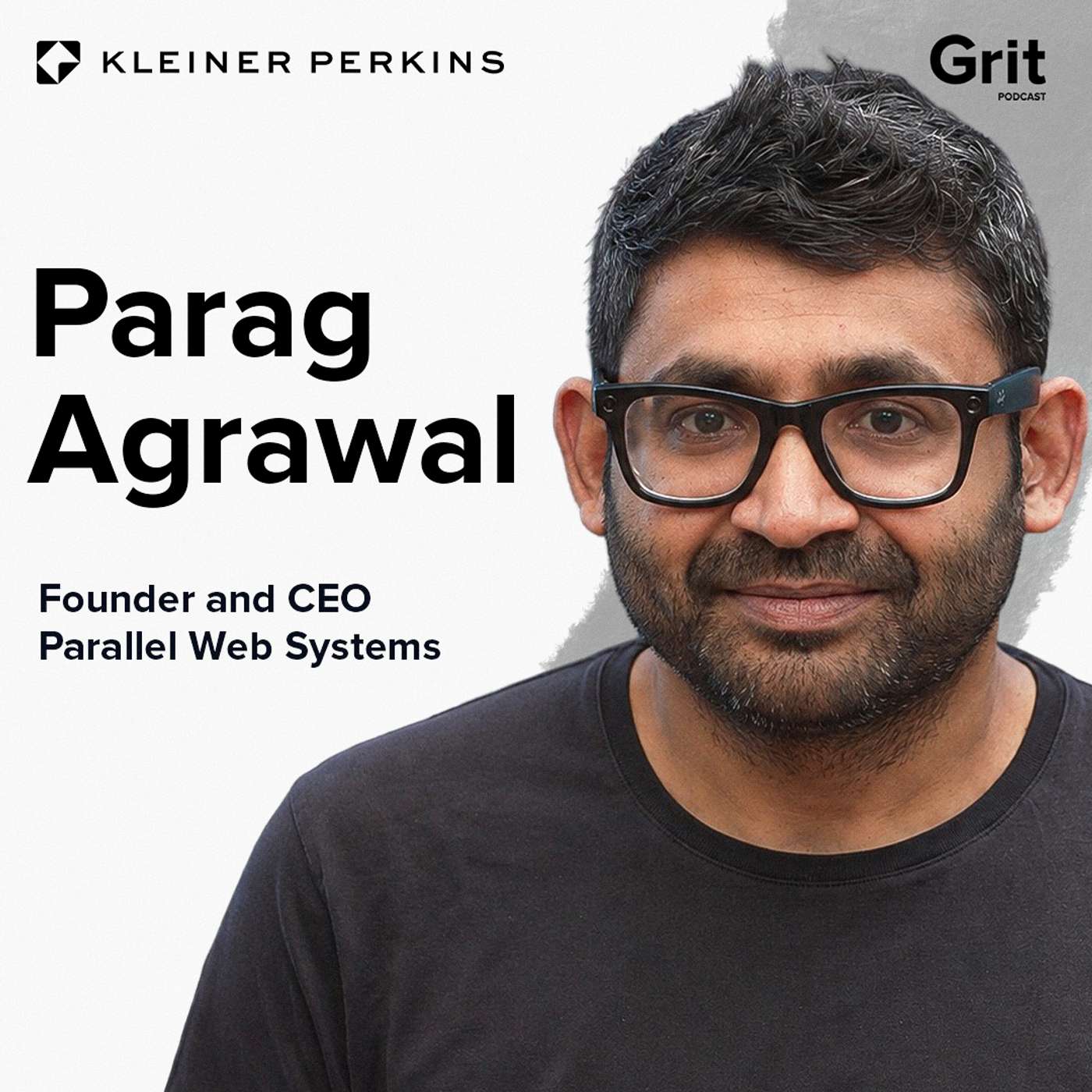
Parag Agrawal pushes his team to default to AI models instead of traditional code. When faced with a problem, the process is to collect data, define a good output, and train a model. This worldview shifts the entire engineering process from writing explicit instructions to creating learning systems.
Related Insights
AI tools have removed coding as the primary bottleneck in software development. The new ceiling for an engineer's impact is their ambition and ability to conceptualize big ideas, as execution has become drastically easier. It's no longer about what can be built, but how big you can think.

The most significant productivity gains come from applying AI to every stage of development, including research, planning, product marketing, and status updates. Limiting AI to just code generation misses the larger opportunity to automate the entire engineering process.

High productivity isn't about using AI for everything. It's a disciplined workflow: breaking a task into sub-problems, using an LLM for high-leverage parts like scaffolding and tests, and reserving human focus for the core implementation. This avoids the sunk cost of forcing AI on unsuitable tasks.

At OpenAI, engineers use AI to build ideas instantly. This inverts the traditional product model, shifting the PM's role from upfront planning to evaluating already-built prototypes and deciding which ones to ship, dramatically accelerating development.

Vercel designer Pranati Perry advises viewing AI models as interns. This mindset shifts the focus from blindly accepting output to actively guiding the AI and reviewing its work. This collaborative approach helps designers build deeper technical understanding rather than just shipping code they don't comprehend.

Historically, the 'build' phase was the primary bottleneck in software development. With AI making building nearly instantaneous, the critical path to success has shifted. Mastery of the 'define' (scoping) and 'feedback' (learning) stages is now what separates winning teams from the rest.

The workflow of a "100x engineer" involves managing multiple AI coding agents simultaneously, with each agent working independently on tasks. The engineer's role shifts from writing code to orchestrating these agents, rotating attention between them like a conductor directing an orchestra.
Traditional product development (PRD-first) was designed to protect scarce engineering resources. With AI making software creation as easy as writing a document, teams can shift to a prototype-first approach, where ideas are built and tested immediately without agonizing over ROI.

As AI makes the act of writing code a commodity, the primary challenge is no longer execution but discovery. The most valuable work becomes prototyping and exploring to determine *what* should be built, increasing the strategic importance of the design function.

Product Managers at Ramp now write specs with the primary audience being an AI agent. The spec is effectively a prompt, and its output is a working product, not just a document for engineers to interpret. This changes the entire dynamic of product definition from documentation to direct creation.