Get your free personalized podcast brief
We scan new podcasts and send you the top 5 insights daily.
In a future where robots can build anything, the dominant business strategy changes. The current focus is on 'unsloppable' (unstoppable) companies. The future meta will be 'unclankable'—businesses or assets that cannot be replicated by automated robotic labor, highlighting true, non-physical scarcity.

Related Insights
AI agents will automate execution tasks at machine speed, nullifying the old business mantra that "execution is strategy." A firm's value will no longer come from *doing* things efficiently, but from the uniquely human ability to think big picture, choose the right goals, and make high-quality strategic judgments.
Unlike human employees, who are an expense, humanoid robots are assets. This allows companies to capitalize their labor force for the first time, turning an operational expense into a depreciable, value-generating asset on the balance sheet. Each million robots could add a trillion dollars in market capitalization based on their profit-generating potential.

The focus on AI automating existing human labor misses the larger opportunity. The most significant value will come from creating entirely new types of companies that are fully autonomous and operate in ways we can't currently conceive, moving beyond simple replacement of today's jobs.

The term "unsloppable" describes companies whose competitive advantage isn't their codebase, which AI can replicate. Instead, their strength comes from durable moats like hardware, strong network effects (Uber), exclusive IP (Disney), or physical infrastructure, which are difficult for AI-powered startups to clone.

As AI makes software development nearly free, traditional engineering moats are disappearing. Businesses must now rely on durable advantages like network effects, economies of scale, brand trust, and defensible IP to survive, becoming "unsloppable."

The podcast coins the term "clankerification" to describe the next phase of AI disruption, following software. This wave will target physical industries like mining, manufacturing, and logistics, where moats built on skilled human labor will be eroded by increasingly cheap and capable robotic automation.
As AI commoditizes business execution, true defensibility will come from creative ingenuity in areas like go-to-market strategy or novel business models. This form of creativity cannot be generated by AI, making it a rare and durable competitive advantage.
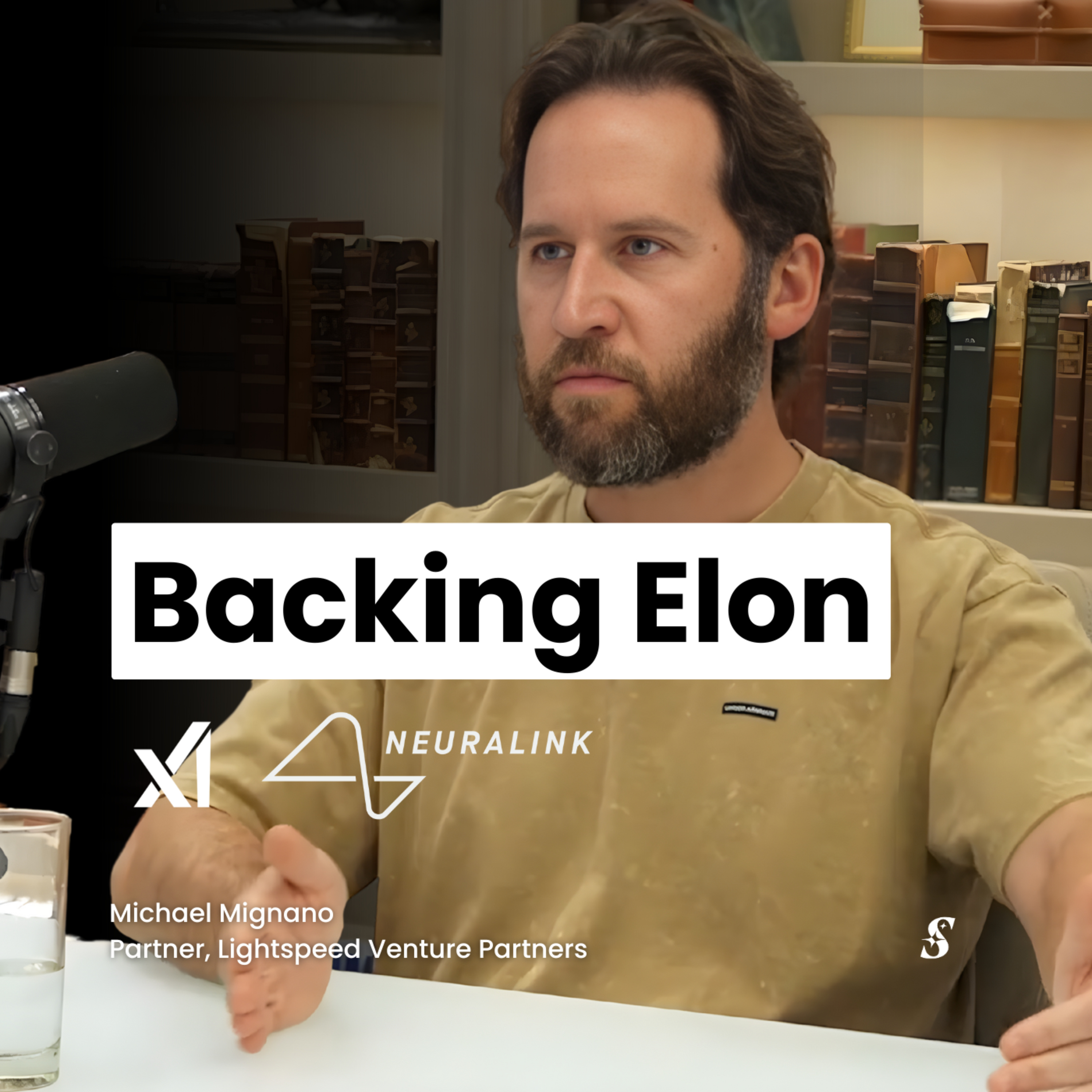
Capitalism values scarcity. AI's core disruption is not just automating tasks, but making human-like intellectual labor so abundant that its market value approaches zero. This breaks the fundamental economic loop of trading scarce labor for wages.

Musk predicts that corporations composed entirely of AI and robots will rapidly and dramatically outperform any company that keeps humans involved in core operations. He compares it to a spreadsheet: a single human-calculated cell slows down the entire system, making hybrid human-AI companies inherently uncompetitive in the long run.
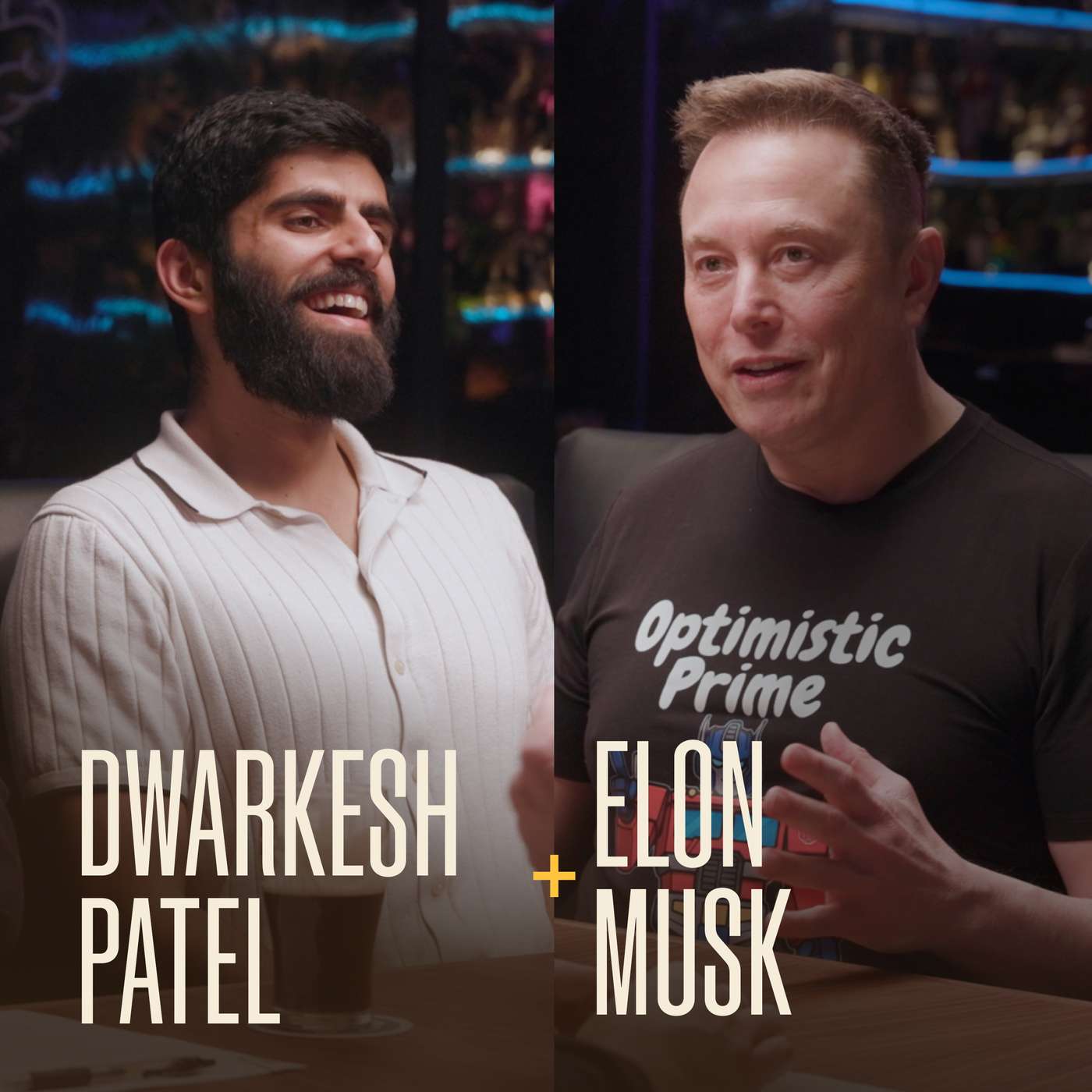
The term "clankerfication" describes the impending disruption of physical industries by cheap robotic labor. Similar to how AI coders devalue software, humanoid robots will attack companies whose moat is skilled human labor and operational expertise in areas like mining or logistics, shifting value to owners of scarce physical resources.