Get your free personalized podcast brief
We scan new podcasts and send you the top 5 insights daily.
CEO Tarek Mansour's paranoid, risk-averse mindset, which he calls an "anti-pattern for a founder," is a key strength for Kalshi. This trait, shaped by his upbringing in volatile Lebanon, provides a necessary counterbalance in a high-stakes, regulated financial environment.

Related Insights
The fundamental difference in mindset is the initial reaction to an idea. A founder acknowledges risks but frames them as manageable challenges in pursuit of the opportunity, while a non-founder's mind goes straight to why it won't work.
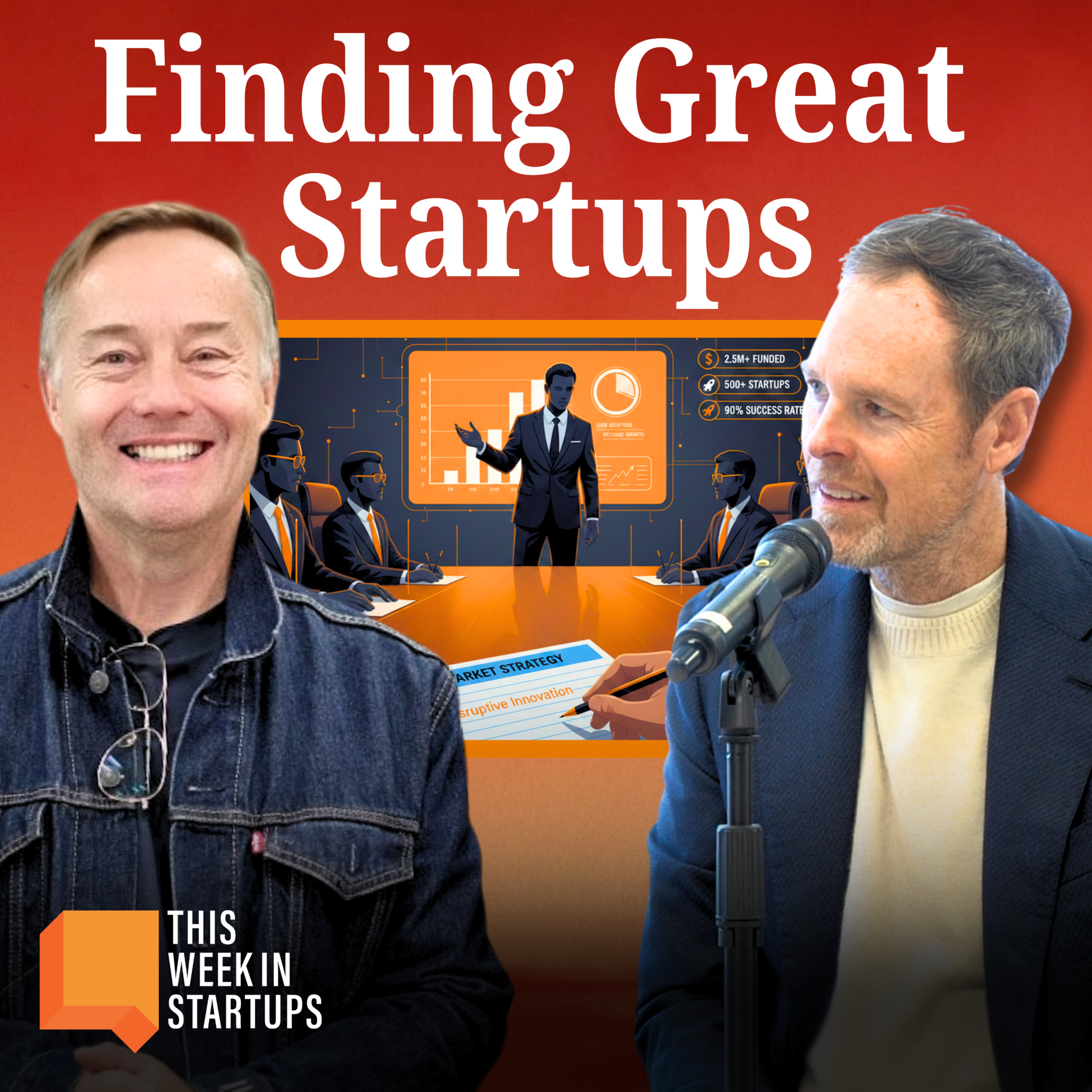
After a regulatory setback, Kalshi faced internal doubt. The CEO compares this to poker: the world rewards outcomes, but you control your process (expected outcome). Founders must endure the variance of bad outcomes from good decisions, trusting the process will win eventually.
The most significant risk for an entrepreneur is not financial capital or time, but the personal reputation they put on the line. This makes managing the mental game and maintaining self-confidence through hardship the most difficult and crucial part of the journey.

Reflecting on his career, Jerry Murdock found that the founders he personally "liked" most often lacked the necessary drive to succeed. The biggest wins came from "sharp-edged," obsessive, and even socially challenging individuals, suggesting that investor discomfort can be a positive signal for founder potential.

Tarek Mansour never intended to be an entrepreneur; he was compelled by the idea for Kalshi. He states they "built a company to build Kalshi," not the other way around. This mission-first mindset, rather than a desire for a founder title, provides the fuel to endure extreme hardship.
The co-founders attribute success to their complementary opposition. One is a risk-loving optimist, while the other, a former trader, is a paranoid 'expected value calculator' who constantly assesses tail risks. This dynamic prevents them from being either too reckless with new ideas or too timid to take necessary risks.

A founder must simultaneously project unwavering confidence to rally teams and investors, while privately remaining open to any evidence that they are completely wrong. This conflicting mindset is essential for navigating the uncertainty of building a startup.

Tarek Mansour views Kalshi's strict, federally regulated approach as a strategic advantage. It forces robust system pressure-testing and makes the platform an unattractive venue for fraud or insider trading, which naturally flows to unregulated, offshore alternatives.

DBS CEO Sushan explains that the Singaporean slang "kiasu" (scared to lose) creates a productive paranoia. This fear of being left behind is the cultural DNA that forces the bank and the nation to constantly evolve and stay ahead, embodying the principle that only the paranoid survive.
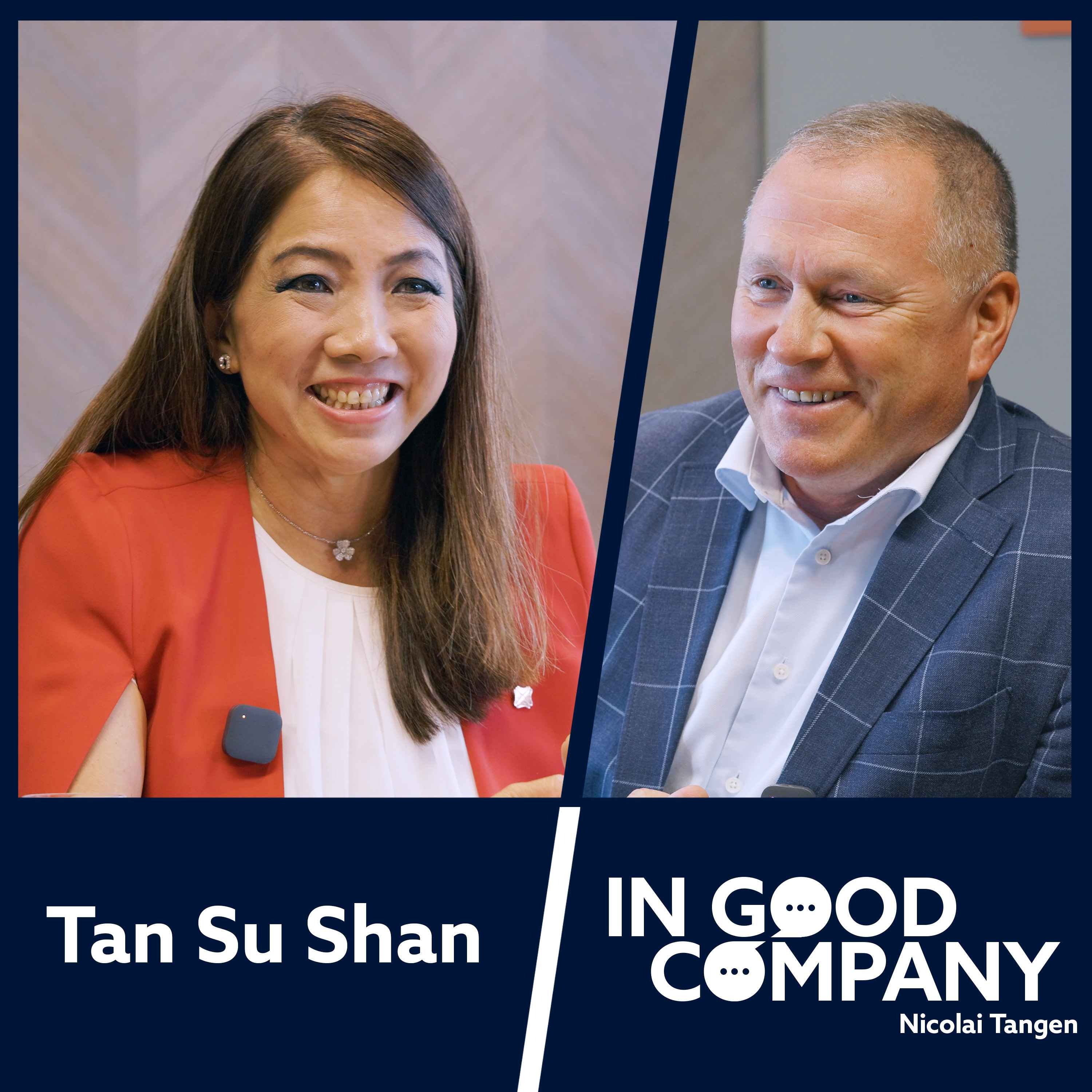
The common trope of the risk-loving founder is a myth. A more accurate trait is a high tolerance for ambiguity and the ability to make decisions with incomplete information. This is about managing uncertainty strategically, not consistently making high-stakes bets that endanger the entire enterprise.
