Get your free personalized podcast brief
We scan new podcasts and send you the top 5 insights daily.
Bill Williams describes a patient who had failed 13 prior therapy attempts and then had universal tumor regression on Bria-IMT plus a checkpoint inhibitor. Another with brain metastasis stayed on therapy for two years, challenging the idea that cancer vaccines only work in healthier, earlier-stage patients.

Related Insights
Moving CAR T-cell therapy to earlier treatment lines is crucial. This approach targets cancer before it develops resistance and, more importantly, utilizes patient T-cells that are healthier and more effective, not having been damaged by extensive prior chemotherapy regimens.

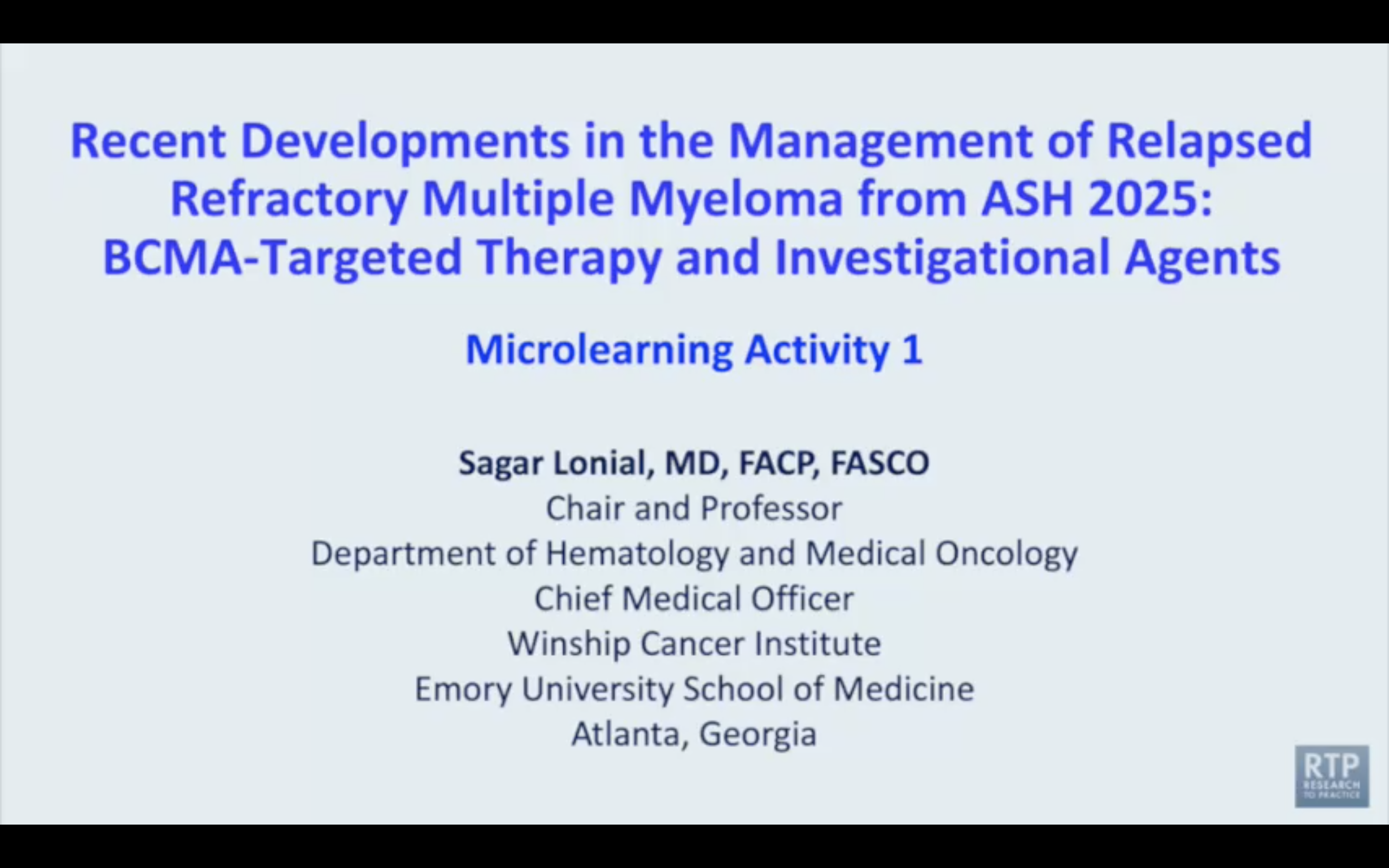
The durability of CAR-T responses is prompting a paradigm shift. With a plateau forming on survival curves, where a third of heavily pretreated patients remain relapse-free five years post-infusion, experts are now seriously discussing how to formally define a 'cure' for multiple myeloma.

Bill Williams says BriaCell further modified its OTS cells to express co-stimulatory molecules and cytokines. In lab studies, these OTS Plus cells activated naive T cells and killed cancer cells on repeated challenges, suggesting stronger and more durable immune activation than just HLA matching alone.
Bill Williams says HLA matching was not as critical for Bria-IMT when combined with an immune checkpoint inhibitor, so BriaCell is not matching patients for that product. The company is instead building HLA matching into its next-generation Bria-OTS and OTS Plus pipelines as those programs advance.
The KEYNOTE-756 and Checkmate 7FL trials found high pathological complete response (pCR) rates with neoadjuvant immunotherapy in ER-low (1-10%) breast cancers. This suggests this unique subgroup, often excluded from triple-negative trials but behaving similarly, may benefit significantly from immunotherapy, though it is not yet standard of care.
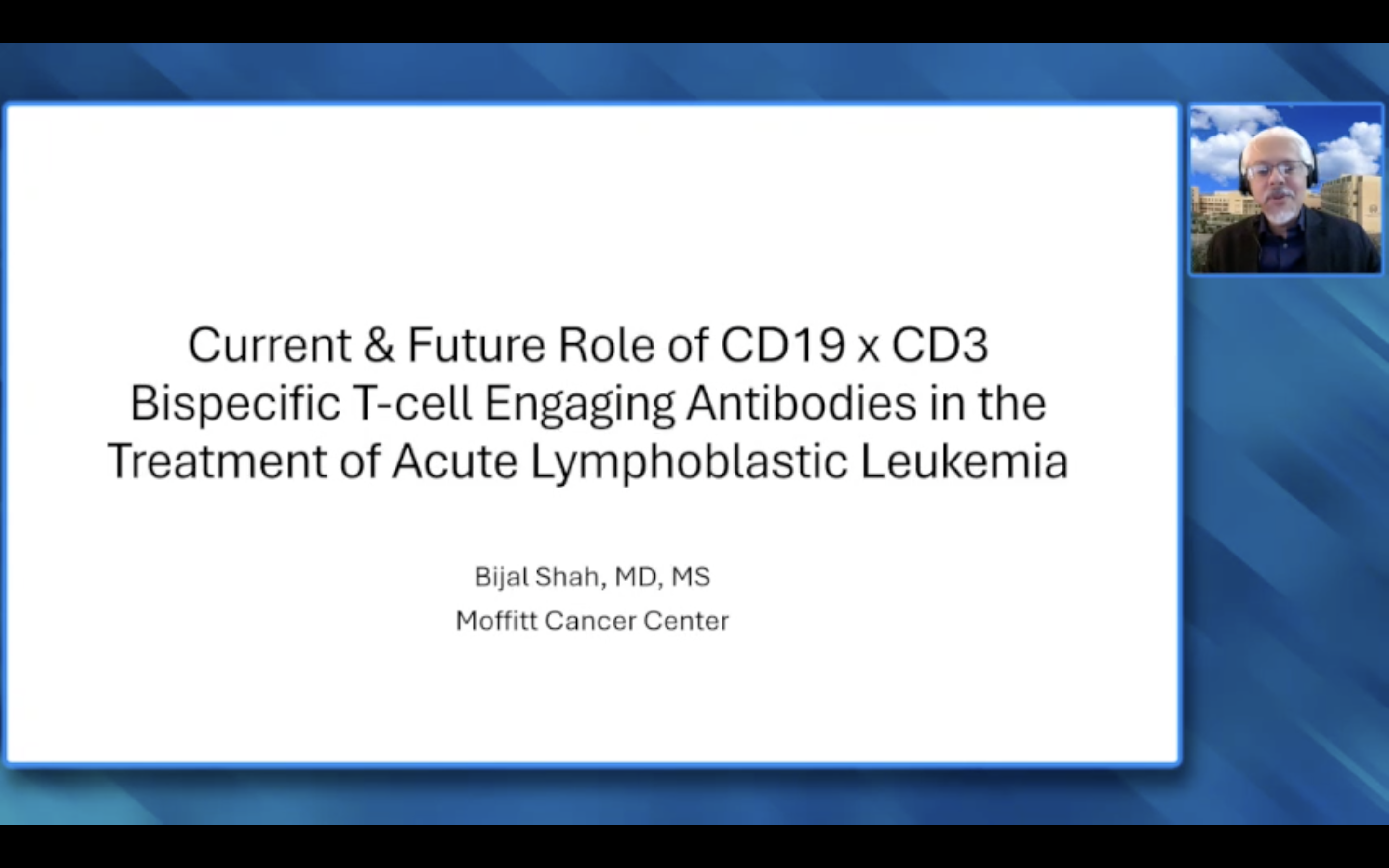
New BiTEs like Survatamig are achieving high response rates (73-78%) in heavily pre-treated ALL patients, including those who have already relapsed after receiving blinatumomab or CAR-T cell therapy. This indicates that resistance to one CD19-targeting agent does not preclude a deep response to another with a different molecular design.
Bill Williams says Bria-IMT presents many cancer-associated antigens, not just one, so it can activate adaptive T cells against multiple mutated tumor clones. He adds the cell-based approach also engages the innate immune system, which can recognize tumors undergoing immune evasion, further limiting cancer's ability to escape.
For NSCLC patients who have progressed on checkpoint inhibitors, autologous TIL therapy (e.g., Lifileucel) is emerging as a viable treatment. Despite complex logistics requiring specialized centers, this approach is achieving durable responses in a heavily pre-treated population, expanding cellular therapy's role into a common solid tumor.
Five-year follow-up from the CARTITUDE-1 trial suggests a potential cure for multiple myeloma is achievable. With roughly one-third of heavily pretreated patients remaining in remission at five years—and some confirmed as MRD-negative—the concept of a cure is now part of the operational discussion among specialists, a monumental shift for a disease long considered incurable.
Rather than expecting cell therapies (CAR-T, TIL) to eradicate every cancer cell, Dr. Radvanyi reframes them as powerful adjuvants. Their role is to inflict initial damage, kill tumor cells, and release antigens, creating an opportunity to prime a broader, secondary immune response with other modalities like vaccines or checkpoint inhibitors.
