Get your free personalized podcast brief
We scan new podcasts and send you the top 5 insights daily.
Henry Singleton had a deep-seated contrarian streak, believing that if a strategy became widely adopted, its value was likely diminished. His response to widespread share buybacks was, "If everyone's doing them, there must be something wrong with them."

Related Insights
Henry Singleton viewed aggressive share repurchases as a superior investment to acquisitions or internal projects when Teledyne's stock was cheap. He controversially bought back 90% of the company's shares, generating a 42% compound annual return on the tenders.
The common advice to avoid trends focuses on market saturation. The less obvious reason is to avoid investor competition, which inflates valuations and erodes returns. A contrarian approach avoids both forms of competition simultaneously.
![Scott Nolan - SpaceX, Founders Fund, and Rebuilding American Uranium Enrichment - [Invest Like the Best, EP.467] thumbnail](https://megaphone.imgix.net/podcasts/5edee546-3776-11f1-b41d-a76759576e87/image/908aaa6e87baf2b3d364892c4b7f9fd8.jpg?ixlib=rails-4.3.1&max-w=3000&max-h=3000&fit=crop&auto=format,compress)
Companies often announce and execute buybacks to appease the market, not because their stock is undervalued. This programmatic repurchasing, especially at cyclical peaks, destroys value. Truly value-accretive buybacks are rare because most managers lack the capital allocation skill to time them effectively.

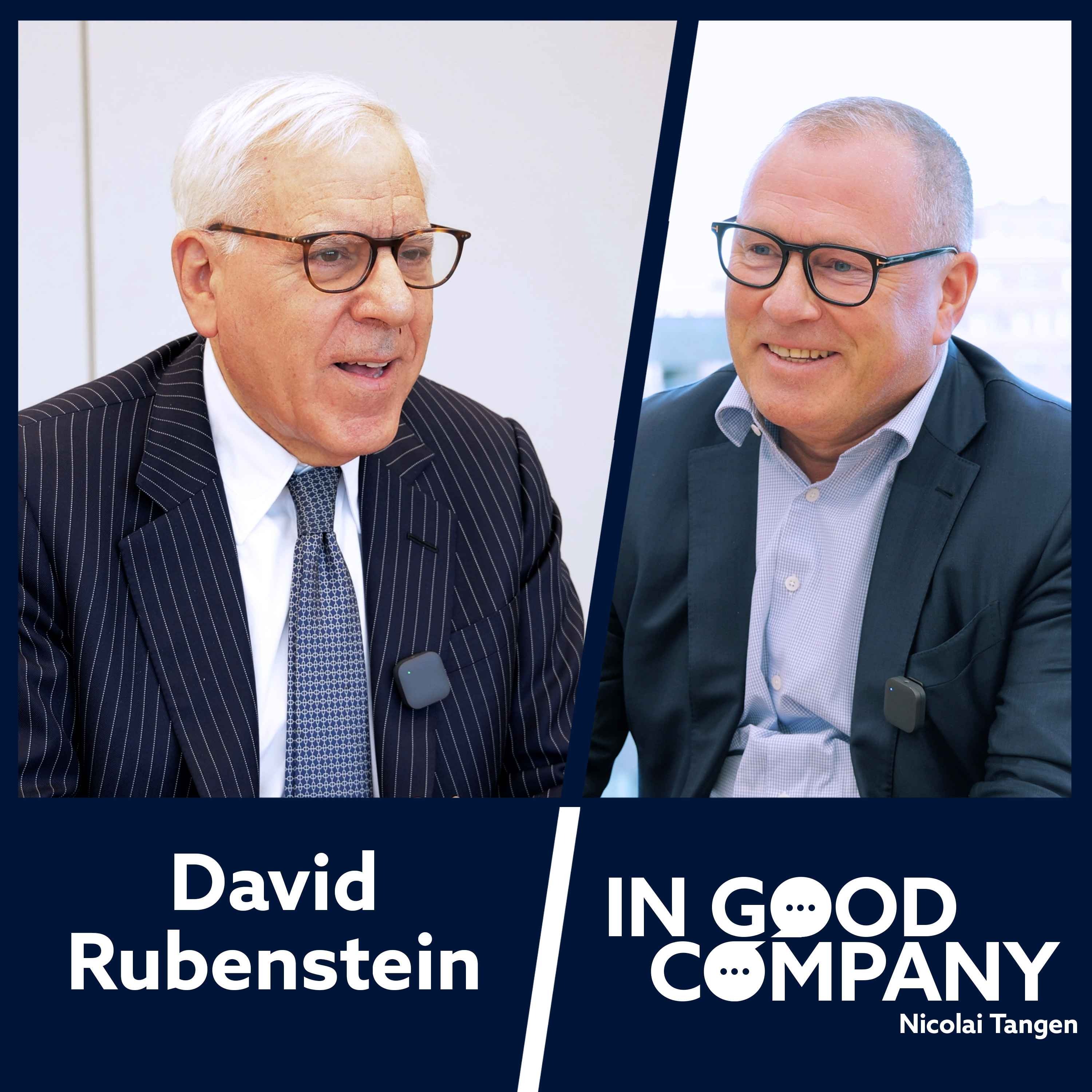
To achieve above-average investment returns, one cannot simply follow the crowd. True alpha comes from contrarian thinking—making investments that conventional wisdom deems wrong. Rubenstein notes the primary barrier is psychological: overcoming the innate human desire to be liked and the fear of being told you're 'stupid' by your peers.
Unlike most CEOs who focus on day-to-day operations, Singleton delegated operational control to focus almost exclusively on deploying the company's cash. Warren Buffett noted this skill is rare but critical for long-term success, as most executives rise through operational roles.
Henry Singleton avoided detailed strategic plans, believing the future is unpredictable. He preferred to "steer the boat each day," retaining maximum flexibility to react to market conditions, such as his abrupt halt to acquisitions when prices rose.
Henry Singleton's core belief was that a CEO's job is to increase per-share value, not just grow revenue or headcount. This principle guided all his major capital allocation decisions, from acquisitions to aggressive share buybacks and avoiding dividends.
To identify non-consensus ideas, analyze the founder's motivation. A founder with a deep, personal reason for starting their company is more likely on a unique path. Conversely, founders who "whiteboarded" their way to an idea are often chasing mimetic, competitive trends.

The common VC advice to "play the game on the field" often pressures firms to follow trends like raising larger funds and paying higher prices. True alpha, however, is found by going against the herd—staying small when others get big or looking at out-of-favor sectors.

To achieve exceptional results, you must believe something and take action that the consensus thinks is wrong. This requires a non-consensual, often stubborn conviction. This path is high-risk because it means you are either a visionary who is early or you are simply an idiot.
