Get your free personalized podcast brief
We scan new podcasts and send you the top 5 insights daily.
The BioCentury Grand Rounds conference agenda signals a shift in R&D focus. Progress isn't just about big biological concepts, but about mastering niche, highly technical problems like linker stability in ADCs, which are often the make-or-break elements for next-generation therapies.

Related Insights
Selling a new chemistry platform to the conservative pharmaceutical industry is incredibly difficult. Value is only demonstrated when the novel chemistry is used to solve a specific, high-value biological problem that is intractable with conventional methods, thereby proving its unique power.

A key innovation in Antibody-Drug Conjugates (ADCs) is the 'tandem cleave' linker. This technology requires two separate events—one in the tumor microenvironment and another after internalization—to release the payload, improving stability and reducing systemic toxicity.

The panel reviews advanced, second-line ADC trials in China using novel targets and payloads. An expert remarks that these are the drugs and questions the US and Europe may only begin to study in two to three years, signaling a significant shift in the global oncology R&D landscape.

To mitigate the severe toxicity of promising pan-RAS inhibitors, companies are adopting antibody-drug conjugate (ADC) technology. This marks a strategic expansion for ADCs, moving beyond traditional cytotoxic chemotherapy payloads to delivering highly specific targeted therapies, aiming to improve the therapeutic window of potent new drug classes.

The primary reason Antibody-Drug Conjugates (ADCs) stop working is payload resistance, a shift from the traditional belief that failure stems from tumors losing the target antigen. This insight drives development of multi-payload ADCs to overcome this resistance mechanism.
Beyond sheer scale, China's innovation leads in complex, next-generation drug modalities like ADCs and bispecifics. Chinese biotechs now account for roughly one-third of the global Phase 1 and 2 pipelines for these advanced therapies, indicating a shift from iteration on established targets to leadership in new technology platforms.

As biologics evolve into complex multi-specific and hybrid formats, the number of design parameters (valency, linkers, geometry) becomes too vast for experimental testing. AI and computational design are becoming essential not to replace scientists, but to judiciously sample the enormous design space and guide engineering efforts.

The Simcirzyming and Ipsen deal, valued up to $1.06 billion for a preclinical antibody-drug conjugate (ADC), shows the immense value of promising therapeutic modalities. Technologies like ADCs with features like 'enhanced tumor penetration' can secure massive bio-dollar deals long before human trials, signaling intense competition for next-generation oncology assets.
As multiple effective Antibody-Drug Conjugates (ADCs) become available, the primary clinical challenge is no longer *if* they work, but *how* to use them best. Key unanswered questions involve optimal sequencing, dosing for treatment versus maintenance, and overall length of therapy, mirroring issues already seen in breast cancer.
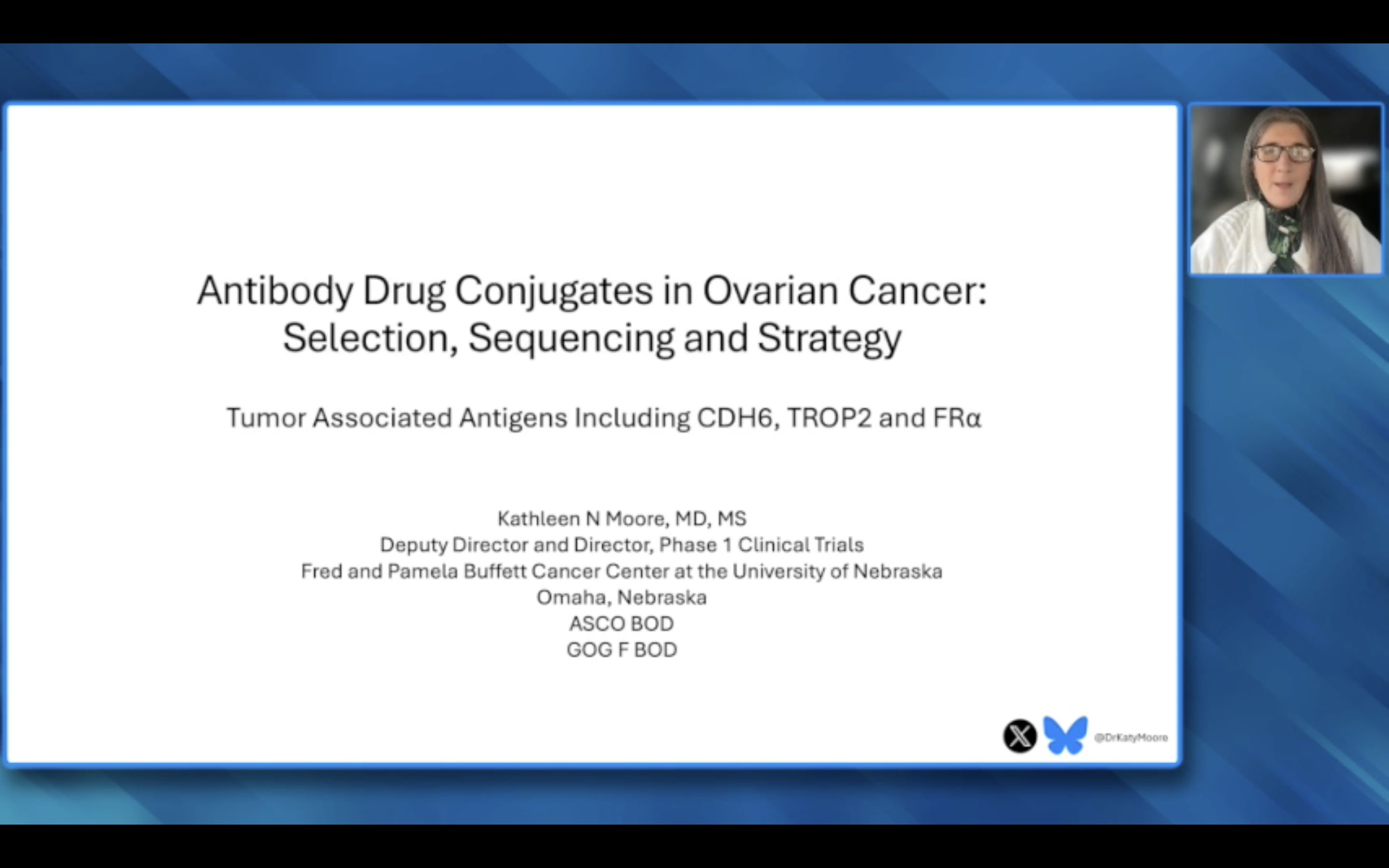
The differing efficacy and toxicity profiles of TROP2 ADCs like sacituzumab govitecan and Dato-DXD suggest that the drug's linker and payload metabolism are crucial determinants of clinical outcome. This indicates that focusing solely on the target antigen is an oversimplification of ADC design and performance.