Get your free personalized podcast brief
We scan new podcasts and send you the top 5 insights daily.
An orchestra teacher was shocked to learn her profound, positive impact on a student she thought disliked her. This highlights that we often have no idea how our actions affect others. We should not measure our impact solely by the feedback we can see, as our most significant influence may be unseen.

Related Insights
Championing kindness isn't just about being nice. A simple act of flexibility or understanding can be profoundly impactful for a colleague who is silently navigating personal hardship. This underscores the human element in high-pressure work environments.

Research asking what makes people feel most loved found the answer wasn't extravagant gifts or major events. Instead, it was simple, daily expressions of appreciation, compliments, and small acts of warmth. Givers often underestimate the profound impact of these seemingly minor interactions.

When asked "What is the kindest thing anyone has ever done for you?", two-thirds of respondents said it was someone who saw potential in them and took a chance on them before they had a track record of success. This act of early belief is deeply transformative and memorable.
![Patrick O’Shaughnessy - Creating on Principle - [Invest Like the Best, EP.455] thumbnail](https://megaphone.imgix.net/podcasts/816fce6a-f5b6-11f0-9c9c-33831009577b/image/1f5ec11a816e37bc484e46cbf9b3421d.jpg?ixlib=rails-4.3.1&max-w=3000&max-h=3000&fit=crop&auto=format,compress)
Profoundly shaping a person's values doesn't require grand gestures. The key is to create an enormous positive reaction to a small, everyday act of kindness, like holding a door. This intense reinforcement for a mundane moment can become a guiding principle for a lifetime.

The most effective way to help someone you care about is to stop trying to fix them and instead do the inner work yourself. As you transform, the energy you radiate changes. This palpable shift makes others curious and open to change in a way that direct advice or pressure never could.

A sense of belonging is intentionally constructed through consistent, small acts of kindness like bringing a casserole to a neighbor. These simple gestures forge stronger community bonds than large, impersonal contributions. At the end of life, a person's impact is measured by how they showed up for others in these small but meaningful ways.

Paul Tudor Jones recounts how a stranger's kindness to him as a child directly inspired his philanthropic work years later, including the Robin Hood Foundation. This illustrates how one small, positive act can have an unforeseeable, multiplicative positive effect on countless lives.
![Paul Tudor Jones - Lessons From 50 Years in Markets - [Invest Like the Best, EP.469] thumbnail](https://megaphone.imgix.net/podcasts/52d36872-42a6-11f1-b41c-87326559037a/image/d068797e4bbea95234d3151c4a78877b.jpg?ixlib=rails-4.3.1&max-w=3000&max-h=3000&fit=crop&auto=format,compress)
View your total daily interactions (in-person, digital, brief, deep) as a 'social biome.' Like a biological ecosystem, it is shaped both by your choices (e.g., being kind) and by many factors beyond your control (e.g., who you encounter). This perspective highlights the cumulative impact of small, seemingly minor interactions.
Individuals, especially in roles like teaching or management, often underestimate their long-term influence. What feels like a minor interaction or even a failure can be a pivotal, memorable moment for someone else. We are often poor judges of our own positive ripple effects.
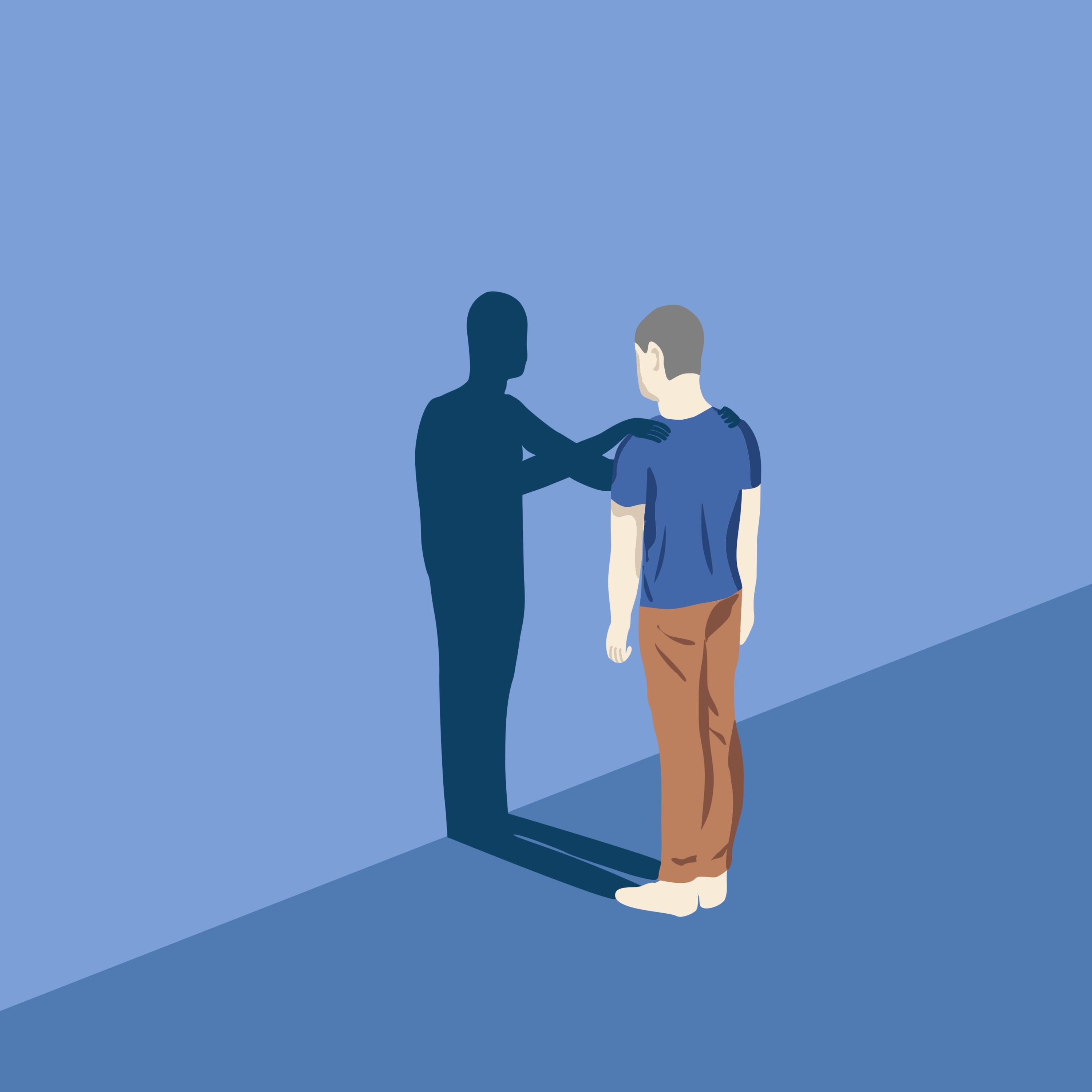
True kindness isn't about grand gestures or offering pity. Instead, it's the subtle act of truly 'seeing' another person—recognizing their inherent story and humanity in a shared moment. This simple acknowledgement, devoid of judgment, is a powerful way to honor their existence.