Get your free personalized podcast brief
We scan new podcasts and send you the top 5 insights daily.
Avenco is strategically targeting Traumatic Brain Injury (TBI) alongside Alzheimer's. The rationale is that TBI presents the same pathological changes—inflammation and plaque formation—but on a much faster timeline. This makes it a compelling, and currently untreated, market for their neuroinflammation-targeting therapy, de-risking their platform beyond a single disease.

Related Insights
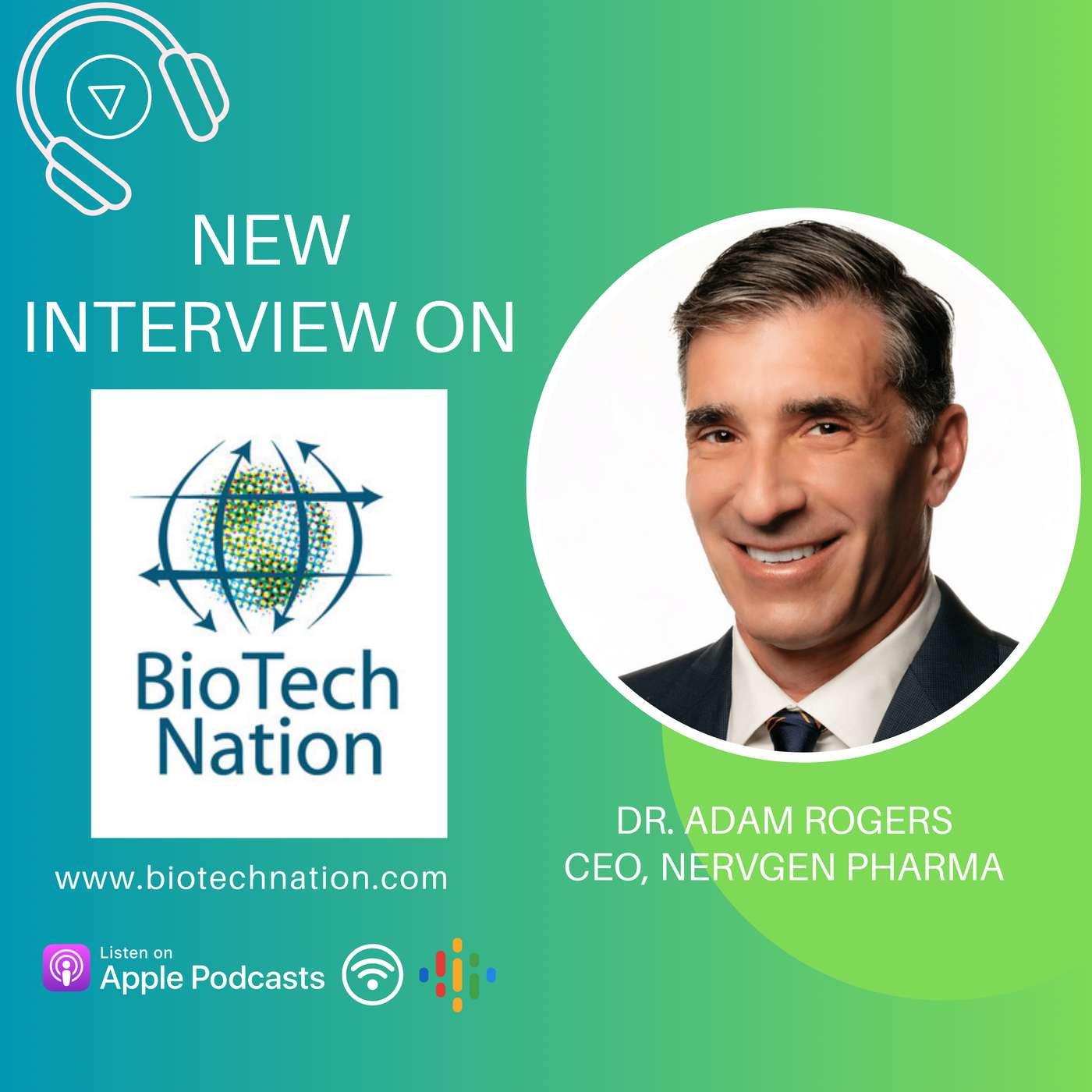
NervGen is expanding its drug's potential by partnering with the Department of Defense. Walter Reed tests it for traumatic brain injury, and the Air Force for hearing loss. This strategy provides non-dilutive funding and validation for new indications, broadening the company's platform with minimal internal R&D spend.
While Natural Killer (NK) cells themselves are too large to cross the blood-brain barrier, the nanoscale extracellular vesicles (EVs) they produce can. This allows Avenco to harness the therapeutic potential of NK cells for neurodegenerative diseases by delivering their active cargo directly into the brain, solving a fundamental delivery challenge.
Isaac Stoner's company, MindImmune, posits that Alzheimer's is an immune response to amyloid plaques causing neuron damage. Their therapeutic approach targets immune cells outside the brain to treat a CNS disease, a paradigm shift from traditional methods that focus solely on the brain.

To secure investment in the high-risk neurodegeneration space, companies must avoid significant 'leaps of faith.' A key de-risking factor is applying novel modalities to clinically validated pathways. This provides a stronger scientific foundation than pursuing a completely unproven biological hypothesis, making the venture more compelling to investors.

The next era of CNS drug development will shift from single-target therapies for late-stage disease to early intervention. This involves using biomarkers to detect disease before symptoms appear and intervening with multimodal approaches that address multiple biological pathways simultaneously, such as amyloid, tau, and metabolic deficits in Alzheimer's.

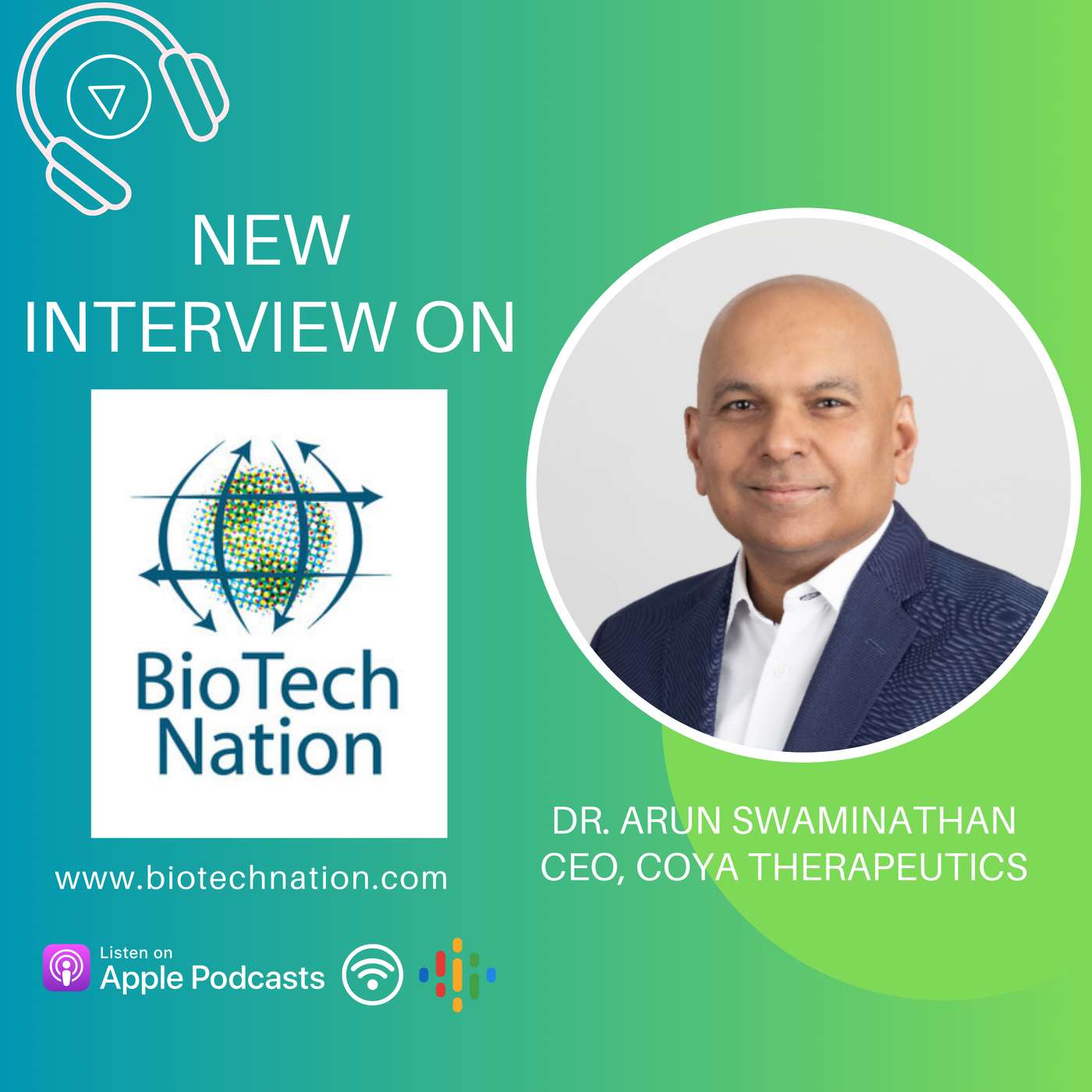
Coya's therapeutic approach is not limited to ALS. The company views the underlying mechanism—dysfunctional regulatory T-cells driving neuroinflammation—as a common pathway in other conditions like frontotemporal dementia, Alzheimer's, and Parkinson's. This positions their drug as a platform technology, creating a broader pipeline and de-risking the company from reliance on a single indication.
BioAge is framing its oral drug BGE-102 as a single asset that can address inflammation across cardiovascular, ocular, and CNS diseases. This "pipeline in a pill" strategy transforms a single molecule into a broad platform by targeting a fundamental aging mechanism that cuts across many tissues and conditions.

The T-cell delivery system is versatile. It can carry T-cell engagers for cancer, but also antibodies for Alzheimer's or oligonucleotides. By using different T-cell types (like regulatory T-cells), it can also be used to reduce inflammation, expanding its applicability beyond oncology.
The speaker positions NKEVs not as a monotherapy but as a foundational treatment. A key hypothesis is that by clearing amyloid from the brain's vasculature, NKEVs could mitigate the brain bleeding (ARIA) side effects that have plagued anti-amyloid antibody therapies. This would make combination treatments both safer and more effective.
Focusing on breaking up protein aggregates may be intervening too late in neurodegenerative diseases. A more effective strategy could be targeting neuroinflammation, an upstream mechanism that potentially drives damage before irreversible protein aggregation begins and becomes a self-feeding cycle.