Get your free personalized podcast brief
We scan new podcasts and send you the top 5 insights daily.
The new wave of cancer immunotherapies are not drugs in the traditional sense; they are highly personalized processes where a patient's tumor is sequenced to create a bespoke mRNA treatment. This raises ethical questions about granting drug-like monopoly pricing and patents for what is essentially a medical procedure.

Related Insights
The ultimate goal of precision medicine is a unique drug for each patient. However, this N-of-1 model directly conflicts with the current economic and regulatory system, which incentivizes developing drugs for large populations to recoup massive R&D and approval costs.

For personalized cancer vaccines, the speed of development from biopsy to injection is critical. Traditional methods are too slow. mRNA technology enables custom vaccine creation in just weeks, making a rapid, tailored response to a patient's specific tumor possible for the first time.

While AI enables rapid drug creation for single individuals (n-of-1), the economic model is broken. It is not a commercial opportunity, creating an urgent societal challenge to develop new funding mechanisms like public-private partnerships to support these life-saving, non-scalable treatments.

Moderna's cancer vaccine's long-term value may lie in its proprietary neoantigen selection algorithm. As a trade secret, it can't be easily replicated, effectively preventing generic competition indefinitely and creating a highly durable franchise as long as the treatment remains effective.

To overcome regulatory hurdles for "N-of-1" medicines, researchers are using an "umbrella clinical trial" strategy. This approach keeps core components like the delivery system constant while only varying the patient-specific guide RNA, potentially allowing the FDA to approve the platform itself, not just a single drug.
Even though companies like Moderna (mRNA) and Transgene (viral vector) use different platforms, positive results from any of them help validate the entire individualized neoantigen approach for investors and clinicians. The massive unmet medical need ensures the market is large enough to support multiple successful players.
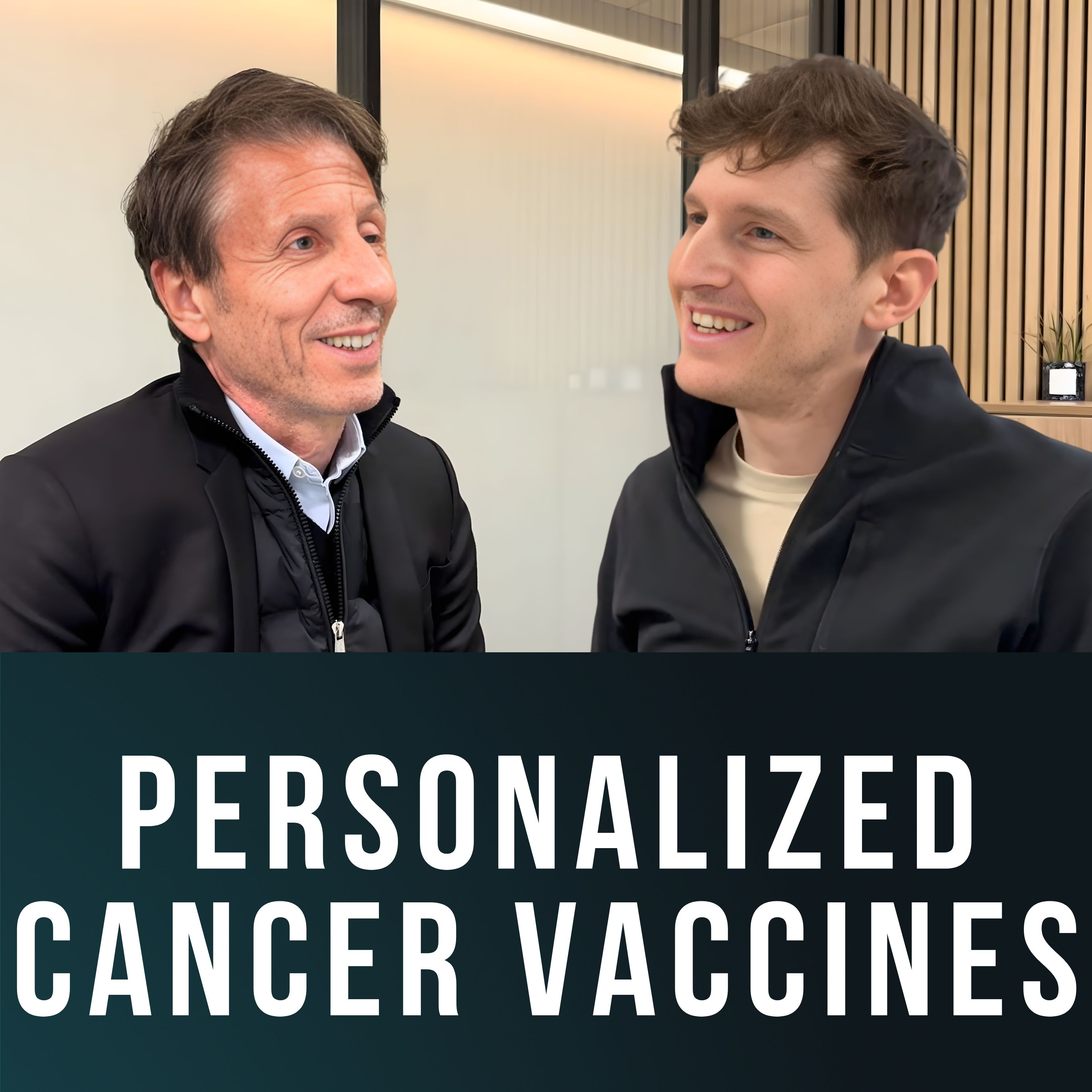
The revolutionary personalized mRNA therapy is extremely expensive to produce and is administered alongside an already costly drug. Even if proven effective, its high price tag could make it inaccessible for widespread use, creating an 'incredibly clever' therapy that is not widely available.
While personalized cancer vaccines require extracting and processing a patient's tumor, Create Medicines' in vivo approach is entirely off-the-shelf. By delivering the programming directly into the body, they enable the patient's own immune system to do the complex, personalized work of attacking the cancer itself.
While Moderna's Phase 3 success is a scientific breakthrough, its real-world application is uncertain. The personalized nature creates a significant manufacturing burden and high cost, raising questions about whether payers will reimburse an expensive therapy used to delay, not cure, cancer in a broad adjuvant setting.

The future of biotech moves beyond single drugs. It lies in integrated systems where the 'platform is the product.' This model combines diagnostics, AI, and manufacturing to deliver personalized therapies like cancer vaccines. It breaks the traditional drug development paradigm by creating a generative, pan-indication capability rather than a single molecule.
