Get your free personalized podcast brief
We scan new podcasts and send you the top 5 insights daily.
Jack Dorsey's launch of "Buzz"—a tool for humans and robots—within his fintech company, Block, is a cautionary tale. It demonstrates how a founder's disparate interests can lead to ventures that lack strategic alignment, confusing investors and diluting focus on the core business.

Related Insights
Founders often fall into damaging extremes. Some constantly chase novelty and never commit, while others cling to their comfort zone (e.g., coding) and neglect vital business needs like sales. The goal is to find a balance, pushing boundaries when necessary but also focusing to execute.

An unwritten "founder code" exists in Silicon Valley. A key violation is abandoning a well-performing, venture-backed company to start a new one in a hotter space (e.g., AI). This prematurely sells out investors and violates the trust placed in the founder.

One of the biggest threats to a company's focus is a bored founder. Convinced of their own intelligence, they chase new, shiny opportunities, which dilutes resources and distracts from the core mission that made them successful in the first place.

A founder's deep, intrinsic passion for their company's mission is critical for long-term success. Even with a sound business model, a lack of genuine care leads to burnout and failure when challenges arise. Leaders cannot sustain success in areas they consider a distraction from their "real" passion, like AGI research versus product monetization.

When Jack Dorsey ran both Square and Twitter, the stable, methodical team at Square was constantly distracted by the public drama of their "hot mess" cousin, Twitter. This created an impossible HR situation, as Square's culture was impacted by controversies at a company they couldn't control.
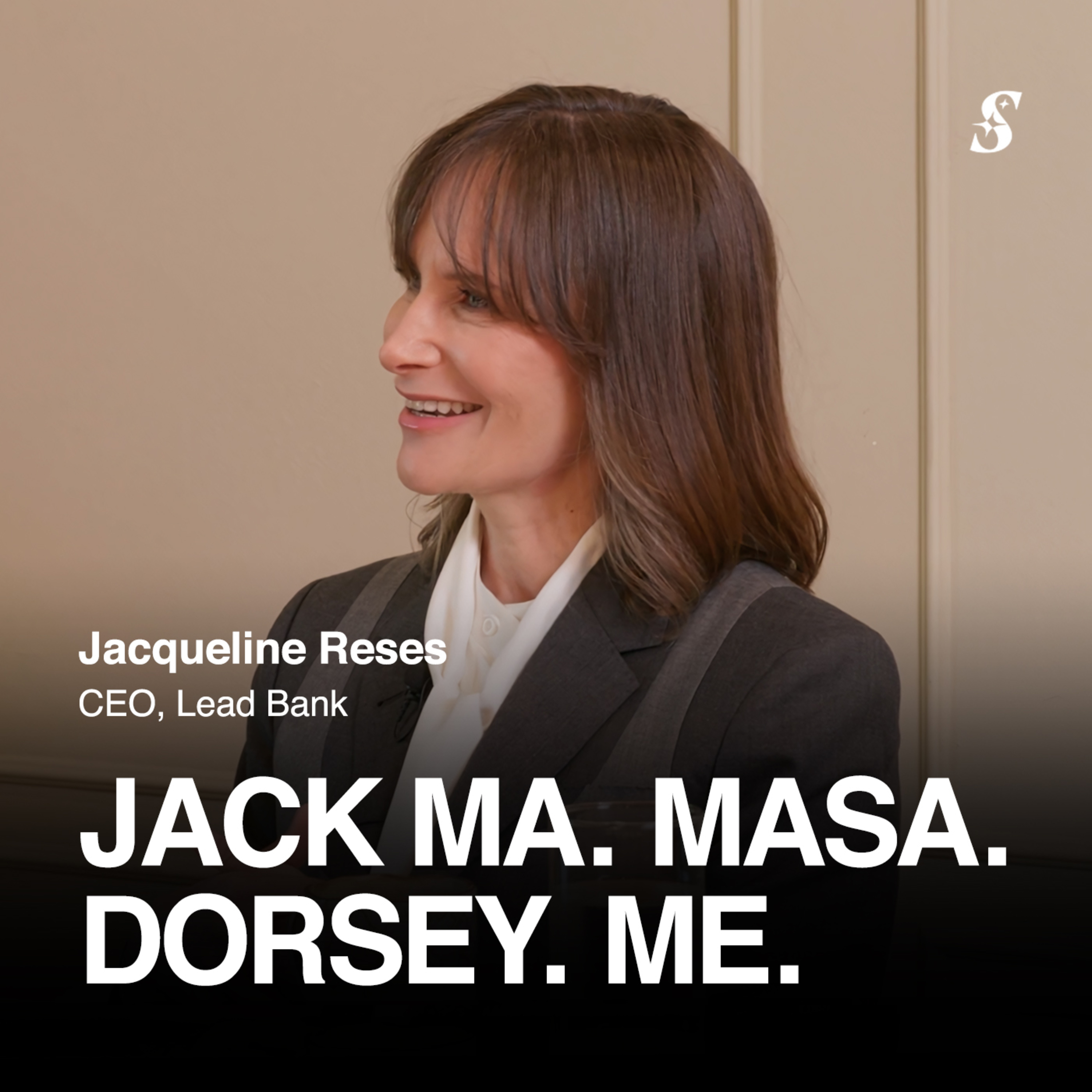
Contrary to common leadership advice to delegate aggressively, Dorsey identifies his biggest mistake as delegating too much. This led to fragmented cultures and missed synergies between Square and Cash App, which he had to later correct.

While a brilliant product visionary, Jack Dorsey's leadership style at both Twitter and Block neglected shareholder value, resulting in massive operational waste. This was exemplified by extravagant spending like $400-per-plate catering and paying for unused SaaS products, which ultimately necessitated huge layoffs.

Visionary projects like Tesla's Optimus robot are often strategic distractions. CEOs like Elon Musk use them to shift investor focus from immediate challenges, such as declining revenues and fierce competition, maintaining a high valuation based on future promises rather than current performance.
Bumble's founder believes the initial, all-consuming obsession is critical for getting a startup off the ground. However, this same intensity becomes a liability as the company matures. Leaders must evolve and create distance to gain the perspective needed for long-term growth and to avoid stifling opportunity.

When faced with intractable problems in the core business, founders often create new projects as a psychological escape. This isn't just about opportunity; it's a coping mechanism to avoid the stress of problems they don't know how to fix, ultimately creating more chaos.
