Get your free personalized podcast brief
We scan new podcasts and send you the top 5 insights daily.
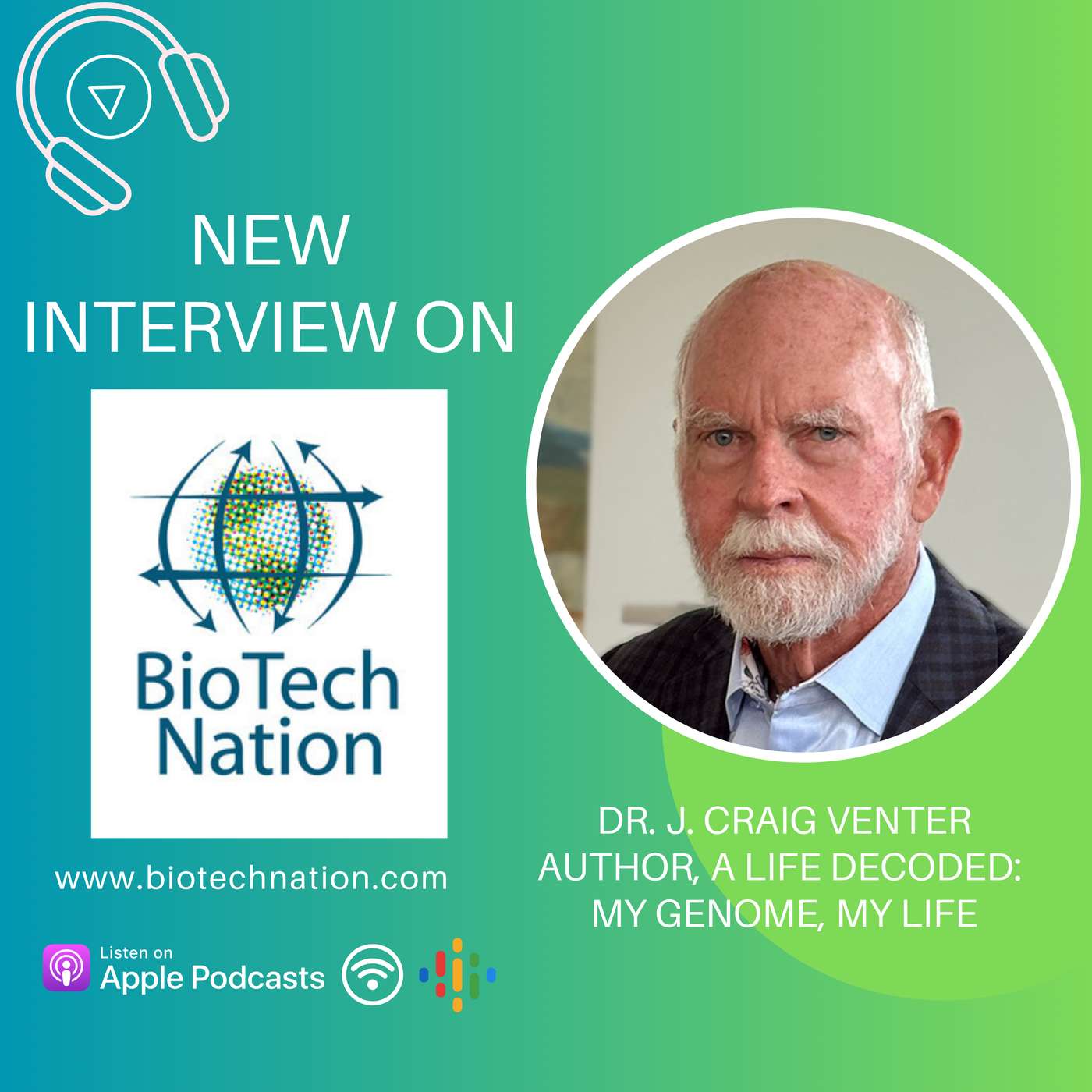
Despite decoding his own six-billion-letter genome, Dr. Venter emphasizes that our ability to interpret this data meaningfully is in its infancy. He points out that even for a simple trait like eye color, the genetic code doesn't provide 100% certainty, highlighting the naivety of relying on single genes to predict complex traits or diseases.
Related Insights
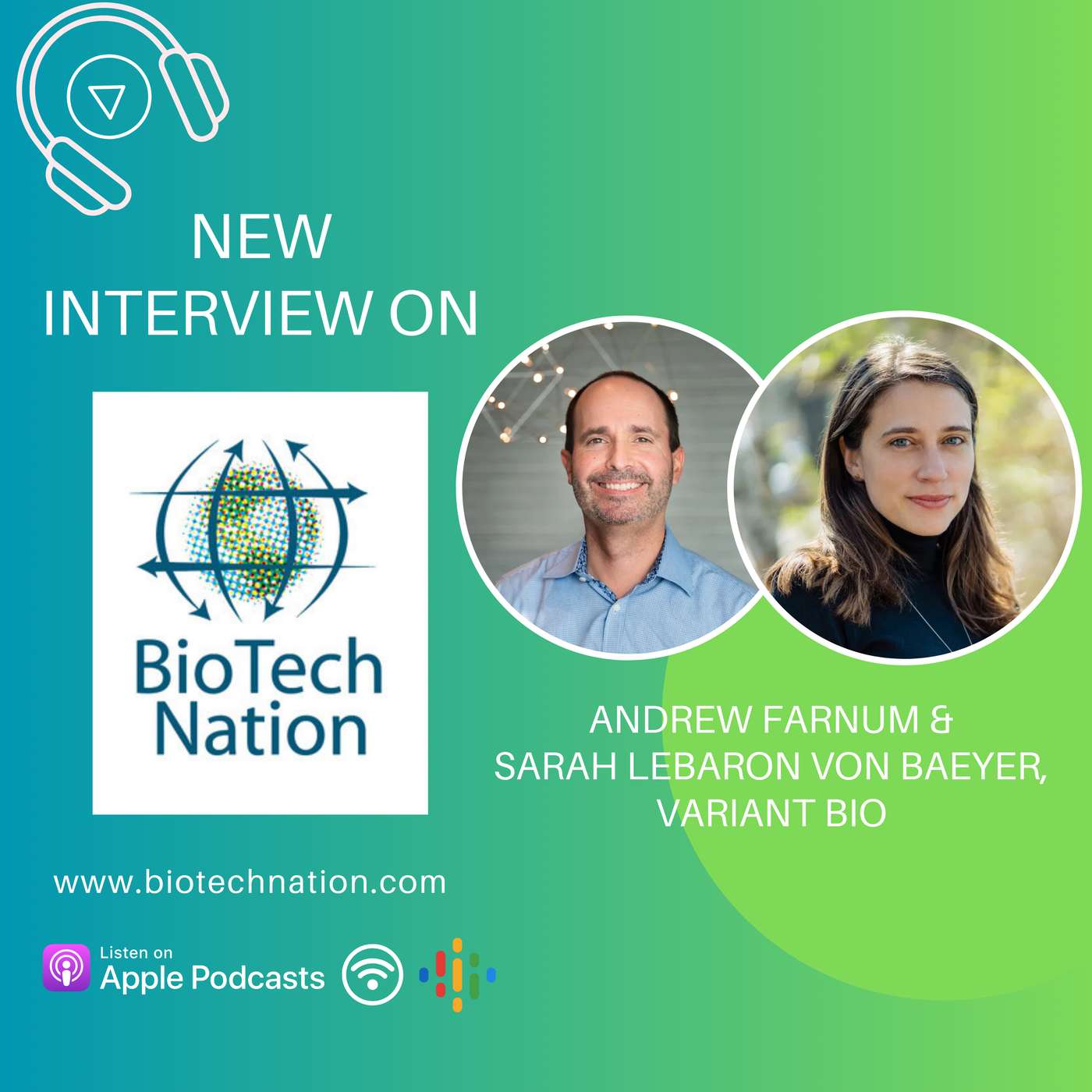
The company's breakthrough potential comes not from collecting raw DNA, but from linking it at an individual level to a rich set of "phenotype" data, including proteomics, metabolomics, and transcriptomics. This deep, multi-layered dataset from novel populations is what unlocks actionable insights for drug discovery.
Despite the depth of personal genomic testing, primary care physicians cannot integrate these consumer-generated results into official medical records. This reveals a significant gap between the potential of consumer health tech and its practical application in clinical settings.

The controversy and business opportunity in polygenic embryo selection lie in interpreting genetic data, not in the physical sequencing. Companies are competing on the quality and scope of their predictive models for health and traits, which they apply to data from established lab processes.

DNA Complete's model of providing raw genomic risk scores tied to individual scientific papers, without context or curation, can be dangerously misleading. A user might see a low-risk result for a disease that is irrelevant to their ethnicity, highlighting the critical need for proper data interpretation in consumer health.
Contrary to public fear, Dr. Venter was more concerned about his personal life story being public than his genetic code. He viewed publishing his genome as a way to demystify it and challenge the fear of genetic determinism, arguing that our unique identifier is not as dangerous or revealing as people believed, especially compared to personal history.
Direct-to-consumer genetics companies often market DNA results as revealing "who you really are." This fosters genetic essentialism—the false idea that genes are destiny. This mindset is risky, as it can lead people to internalize genetic predispositions as unchangeable flaws or "bad seeds."

Genomic data (DNA) provides a static blueprint of potential, not a view of the actual biological activity. True understanding requires measuring the dynamic interactions of molecules and cells within tissues "downstream." Current methods capture only fragmentary slices, missing the full picture.

Human genomics doesn't fully explain varied patient responses. The microbiome, up to 90% different between individuals (vs. 99.9% shared human DNA), is a critical missing factor. It interacts with drugs and influences treatment efficacy, representing a new frontier for personalized medicine.

A major frustration in genetics is finding 'variants of unknown significance' (VUS)—genetic anomalies with no known effect. AI models promise to simulate the impact of these unique variants on cellular function, moving medicine from reactive diagnostics to truly personalized, predictive health.

Despite the emphasis on genes from the Human Genome Project era, large-scale modern studies show genetics determine only about 7% of how long you live. The remaining 93% is attributable to lifestyle, environment, and other non-genetic factors, giving individuals immense agency over their lifespan.