Get your free personalized podcast brief
We scan new podcasts and send you the top 5 insights daily.
A letter written by Fred Koch in 1936 to his infant sons, to be read upon his death, instilled a core value: use wealth to feel the "glorious feeling of accomplishment," not squander it. This single communication profoundly shaped Charles Koch's relentless drive to add value, even into his 90s.

Related Insights
Charles Koch attributes the company's near-bankruptcy events to hiring talented people with poor values. The core principle became hiring first for values, even suggesting it's better to hire someone "slow and stupid" with good values than a talented person with bad ones, who can cause immense damage.
When asked about legacy, Dr. Abelson, who helped get 85 drugs approved, says it's not about professional accomplishments but about his grandchildren. A meaningful life is one that inspires future generations, suggesting one should act in ways that would make their future grandkids proud.
To replicate the work ethic he learned growing up on a ranch, Mike Weistrack plans to buy small businesses for his kids to work in. This provides a real-world environment where they learn responsibility, business operations, and the value of work from a young age, rather than just inheriting wealth.

To preserve its brand ethos, the Hermes family requires every heir to begin their career as an apprentice in production for a decade before any executive role. This ensures future leaders deeply understand the craftsmanship and values that underpin the company's prestige, safeguarding it against short-term thinking.

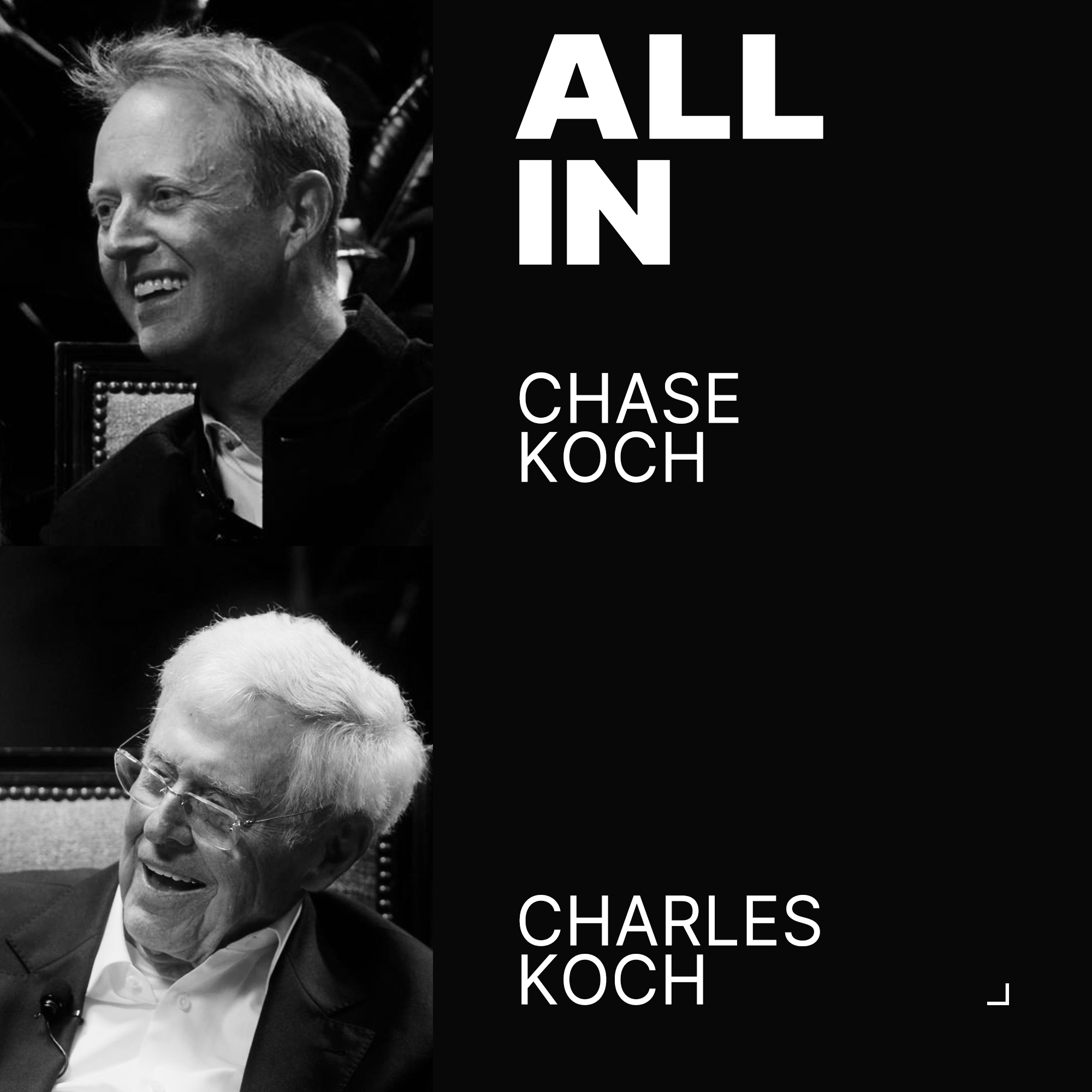
When a teenage Chase Koch began slacking off in tennis to party, his father gave him an ultimatum: commit 100% or get a job. Chase chose the job and was sent to shovel manure at a feed yard—an experience he now credits with saving his life from a potentially destructive, entitled path.
Chase Koch aligns with his father Charles's principles but applies them differently. He leverages his own comparative advantage in interpersonal skills rather than trying to replicate his father's talent for abstract, philosophical concepts. This allows for authentic leadership that honors tradition without demanding imitation.
The 'shirt sleeves to shirt sleeves' adage isn't about financial mismanagement. The third generation fails because they emulate the second generation, who were taught to manage existing value. They never learn the first generation's builder mindset, becoming consumers instead of creators.
To ensure legacy endures, legally embed the family's mission statement, core values, and guiding principles into all trust and partnership documents. This acts as a "character clause" for future generations who may never meet the original wealth creators.
Paul Tudor Jones recounts how a stranger's kindness to him as a child directly inspired his philanthropic work years later, including the Robin Hood Foundation. This illustrates how one small, positive act can have an unforeseeable, multiplicative positive effect on countless lives.
![Paul Tudor Jones - Lessons From 50 Years in Markets - [Invest Like the Best, EP.469] thumbnail](https://megaphone.imgix.net/podcasts/52d36872-42a6-11f1-b41c-87326559037a/image/d068797e4bbea95234d3151c4a78877b.jpg?ixlib=rails-4.3.1&max-w=3000&max-h=3000&fit=crop&auto=format,compress)
In final conversations, wealthy individuals consistently prioritize legacy, values, and family relationships over financial matters like tax savings. This highlights the need to focus on the "softer side" of estate planning from the very beginning.