Get your free personalized podcast brief
We scan new podcasts and send you the top 5 insights daily.
To overcome resistance to new AI tools, Brian Armstrong mandated that engineers try them by week's end. Resistors faced a Saturday meeting with him, a 'clear tone from the top' that spurred near-total adoption and only one termination.

Related Insights
Coinbase held a time-boxed event where 100+ engineers used an AI tool to simultaneously submit PRs for trivial fixes. This created a transformational moment, breaking inertia, proving the tool's value, and generating massive, visible momentum for adoption across the entire organization.

To drive adoption, Axios's CEO gave all staff licensed AI access and a simple mandate: spend 10% of your day finding ways it can improve your specific job and share wins. This bottom-up, experimental approach fostered organic adoption and practical use cases more effectively than a top-down directive.

While it can feel frustrating, mandating that teams use AI tools daily is a "necessary evil." This aggressive approach forces rapid adoption and internal learning, allowing a company to disrupt itself before competitors do. The speed of AI's impact makes this an uncomfortable but critical survival strategy.

An organization's progress in AI adoption is directly proportional to its CEO's personal engagement with the technology. Companies with CEOs who actively experiment with tools like ChatGPT, rather than merely delegating, foster a culture that enables much faster and deeper transformation.

To accelerate company-wide skill development, Shopify's CEO mandated that learning and utilizing AI become a formal component of employee performance evaluations. This top-down directive ensured rapid, broad adoption and transformed the company's culture to be 'AI forward,' giving them a competitive edge.

To overcome engineer hesitancy with new AI coding tools, Brian Armstrong mandated that everyone try them by week's end. He told non-compliers they'd have to attend a Saturday meeting with him to explain why. This aggressive, top-down tactic resulted in rapid, near-total adoption and only one termination.

Amplitude's CEO notes that unlike previous tech waves, AI adoption was pushed by executives, not engineers. Engineers were initially skeptical, viewing the hype as "grifting," which created internal friction and required a deliberate internal education campaign to overcome.
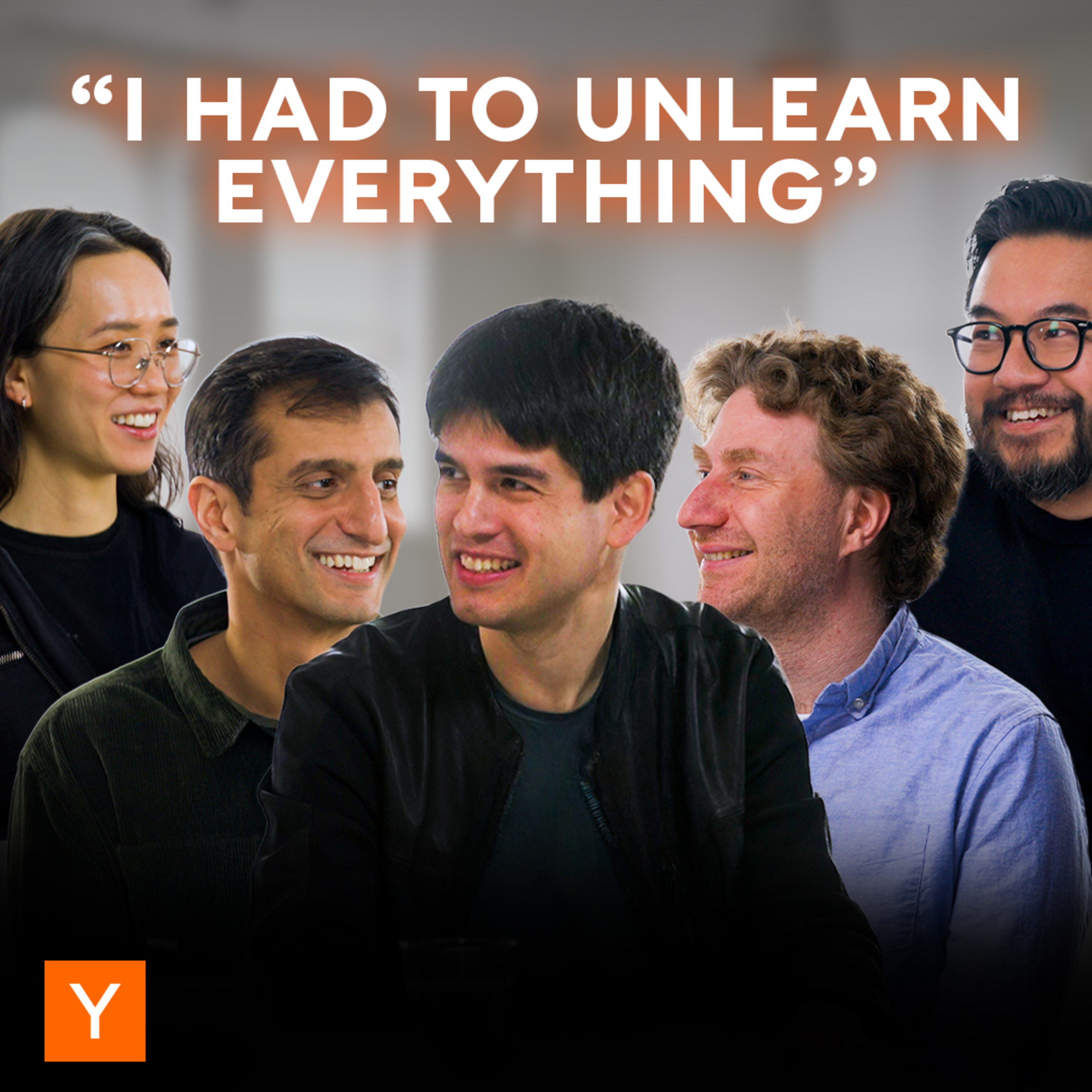
The key to driving AI adoption at Block was leadership by example. CEO Jack Dorsey and CTO Danji Prasana use their internal AI tool, Goose, daily. They argue this hands-on approach provides more insight into organizational workflow changes than any top-down mandate or analysis of industry reports.

CEOs who merely issue an "adopt AI" mandate and delegate it down the hierarchy set teams up for failure. Leaders must actively participate in hackathons and create "play space" for experimentation to demystify AI and drive genuine adoption from the top down, avoiding what's called the "delegation trap."
To overcome skepticism in a large engineering organization, a leader must have deep conviction and actively use AI tools themselves. They must demonstrate practical value by solving real problems and automating tedious work, rather than just mandating usage from on high.