Get your free personalized podcast brief
We scan new podcasts and send you the top 5 insights daily.
VLLM serves as a vital abstraction layer in the AI stack, similar to an operating system. It allows thousands of different model architectures to run efficiently on a wide array of hardware from vendors like NVIDIA, AMD, and Google. Its position is so critical that new hardware chips are benchmarked against it.

Related Insights
As chip manufacturers like NVIDIA release new hardware, inference providers like Base10 absorb the complexity and engineering effort required to optimize AI models for the new chips. This service is a key value proposition, saving customers from the challenging process of re-optimizing workloads for new hardware.

"Supporting" a new model requires extensive engineering: re-doing quantization, training new speculative decoders, and adapting to novel architectures. This often kicks off a public race among providers to achieve the highest tokens-per-second.

Top inference frameworks separate the prefill stage (ingesting the prompt, often compute-bound) from the decode stage (generating tokens, often memory-bound). This disaggregation allows for specialized hardware pools and scheduling for each phase, boosting overall efficiency and throughput.
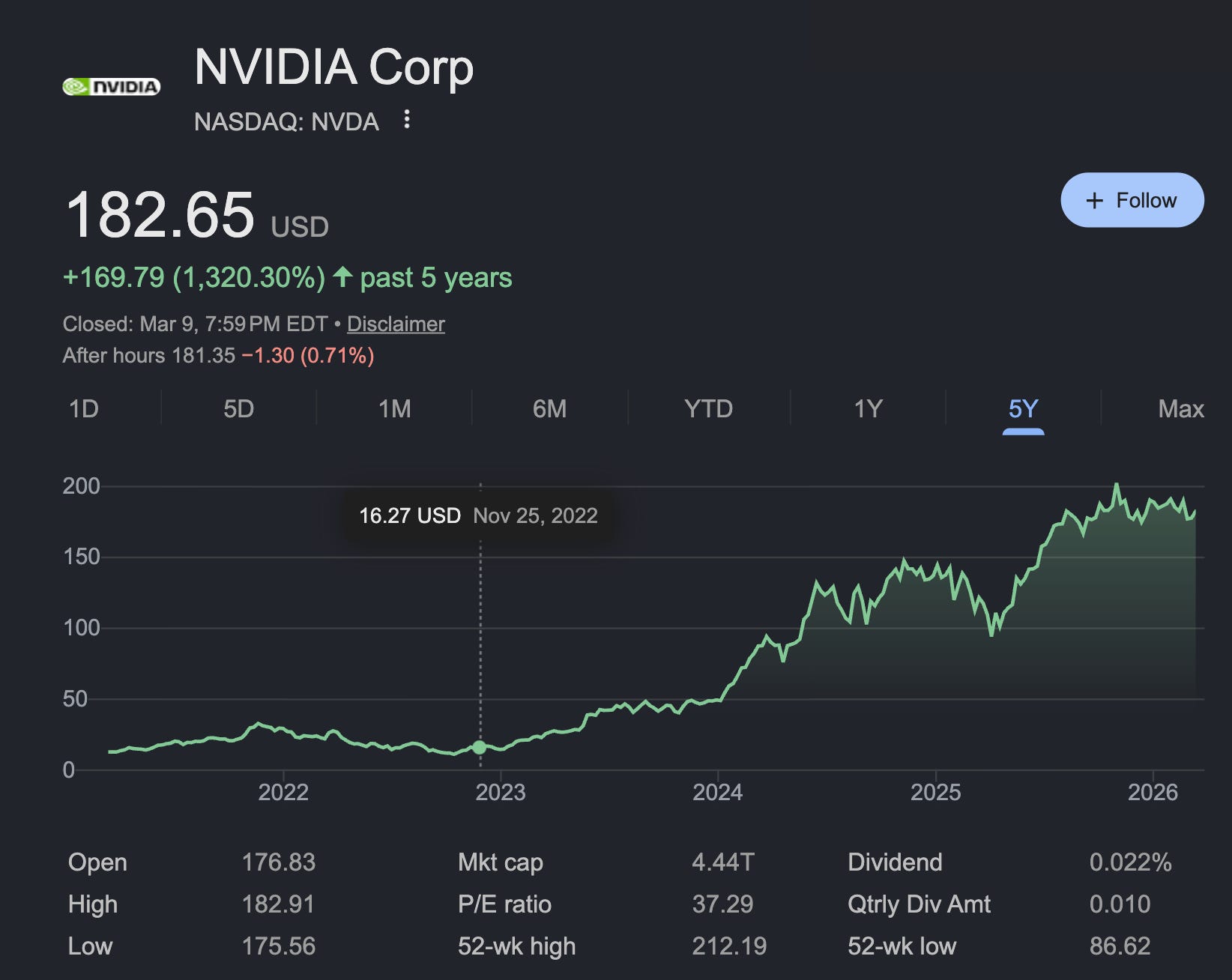
Hardware vendors like NVIDIA (CUDA) and AMD create fragmented, proprietary software stacks that lock developers in. Modular builds a replacement layer that enables AI models to run consistently across different hardware, giving enterprises choice and flexibility without rewriting code.

The critical open-source inference engine VLLM began in 2022, pre-ChatGPT, as a small side project. The goal was simply to optimize a slow demo for Meta's now-obscure OPT model, but the work uncovered deep, unsolved systems problems in autoregressive model inference that took years to tackle.
Model architecture decisions directly impact inference performance. AI company Zyphra pre-selects target hardware and then chooses model parameters—such as a hidden dimension with many powers of two—to align with how GPUs split up workloads, maximizing efficiency from day one.

To remain competitive, chip makers like AMD and Qualcomm must evolve beyond optimizing low-level kernels. The new battleground is a vertically integrated "intelligence layer"—offering their own highly-optimized foundation models tailored to their hardware. This strategy, pioneered by Nvidia with its NeMo framework, simplifies enterprise adoption.

The era of dual-purpose AI chips is ending. The overwhelming demand for real-time processing from AI agents is forcing companies like Google and NVIDIA to create dedicated, inference-optimized hardware. This marks a fundamental and permanent split in the AI infrastructure market, separating training from inference.

VLLM thrives by creating a multi-sided ecosystem where stakeholders contribute for their own self-interest. Model providers contribute to ensure their models run well. Silicon providers (NVIDIA, AMD) contribute to support their hardware. This flywheel effect establishes the platform as a de facto standard, benefiting the entire ecosystem.
Leading AI labs are moving beyond off-the-shelf hardware. They are now in a symbiotic co-design loop where an AI model's specific requirements inform the chip's architecture, and vice-versa. This tight integration of software and silicon is the new frontier for performance.