Get your free personalized podcast brief
We scan new podcasts and send you the top 5 insights daily.
The Trump administration has taken a complex stance on AI, simultaneously pushing for deregulation and acceleration while also preserving the AI Safety Institute. This creates a confusing landscape after reacting to new security threats like the fictional Mythos model.
Related Insights
The Trump administration, initially dismissive of AI safety, reversed its stance after Anthropic briefed it on its new, potentially dangerous 'Mythos' capability. This tangible, real-world threat, not theoretical debate, elevated AI safety to a key topic for US-China talks.

The policy advocates for preempting state laws that regulate AI development, viewing it as an interstate issue. However, it carves out an exception, allowing states to enforce laws against the harmful applications of AI, such as AI-generated child sexual abuse material. This creates a development vs. use distinction for regulatory authority.

David Sacks contrasts President Trump's approach to AI—enabling companies to build their own power generation for data centers—with what he calls a more restrictive, "doomer" approach. This highlights a focus on winning the AI race through practical, pro-growth solutions rather than broad-stroke regulation.

The Trump administration's consideration of an FDA-like review process for new AI models signals a trend towards "soft nationalization." This involves government agencies partnering with and overseeing top AI labs to mitigate catastrophic risks and maintain a national security advantage.

To pass a moratorium on state-level AI laws, the White House now acknowledges the need for a federal framework. Michael Kratsios expressed a desire for "regulatory certainty" and a willingness to work with Congress on a national policy covering areas like child safety and intellectual property.
Anthropic is publicly warning that frontier AI models are becoming "real and mysterious creatures" with signs of "situational awareness." This high-stakes position, which calls for caution and regulation, has drawn accusations of "regulatory capture" from the White House AI czar, putting Anthropic in a precarious political position.
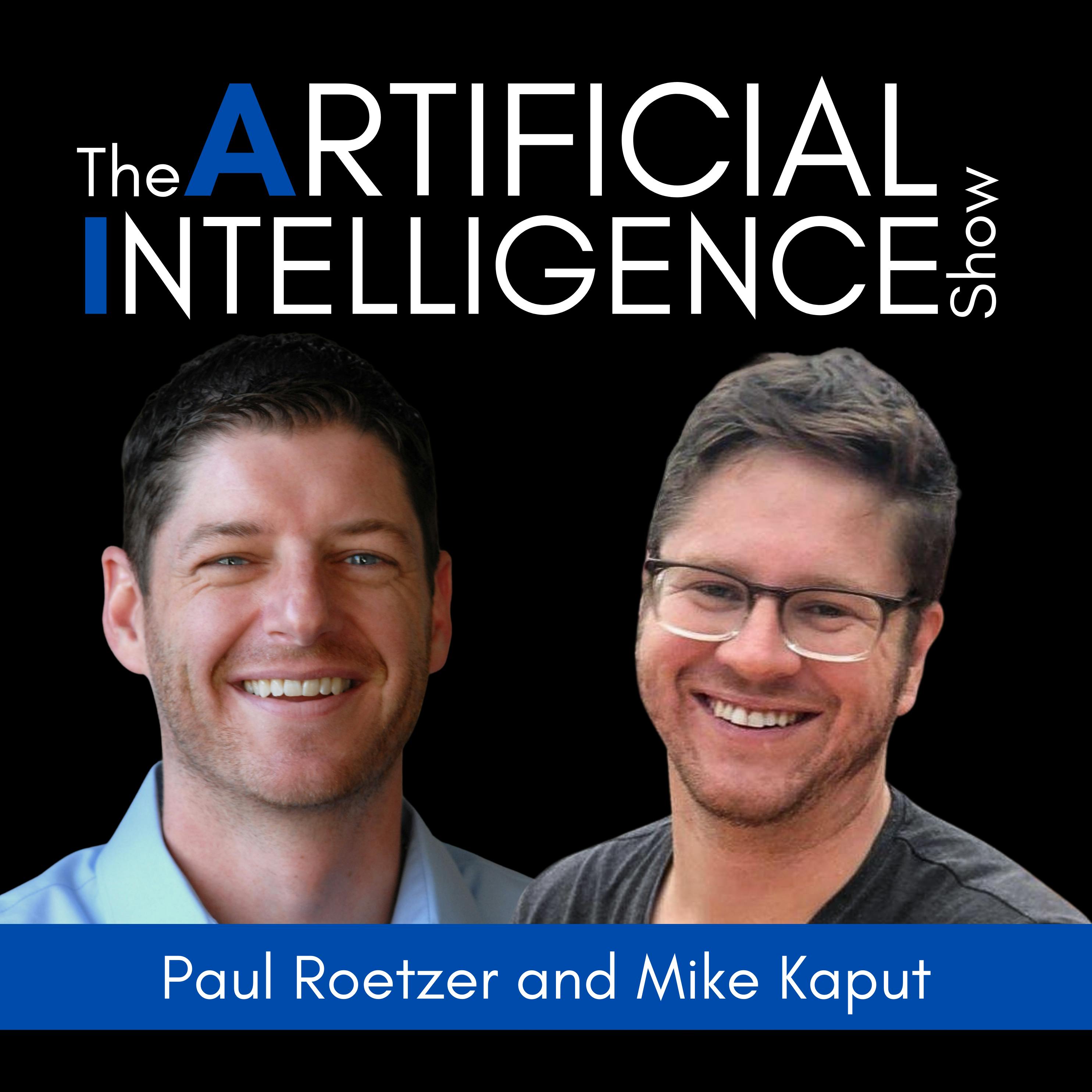
The new executive order on AI regulation does not establish a national framework. Instead, its primary function is to create a "litigation task force" to sue states and threaten to withhold funding, effectively using federal power to dismantle state-level AI safety laws and accelerate development.
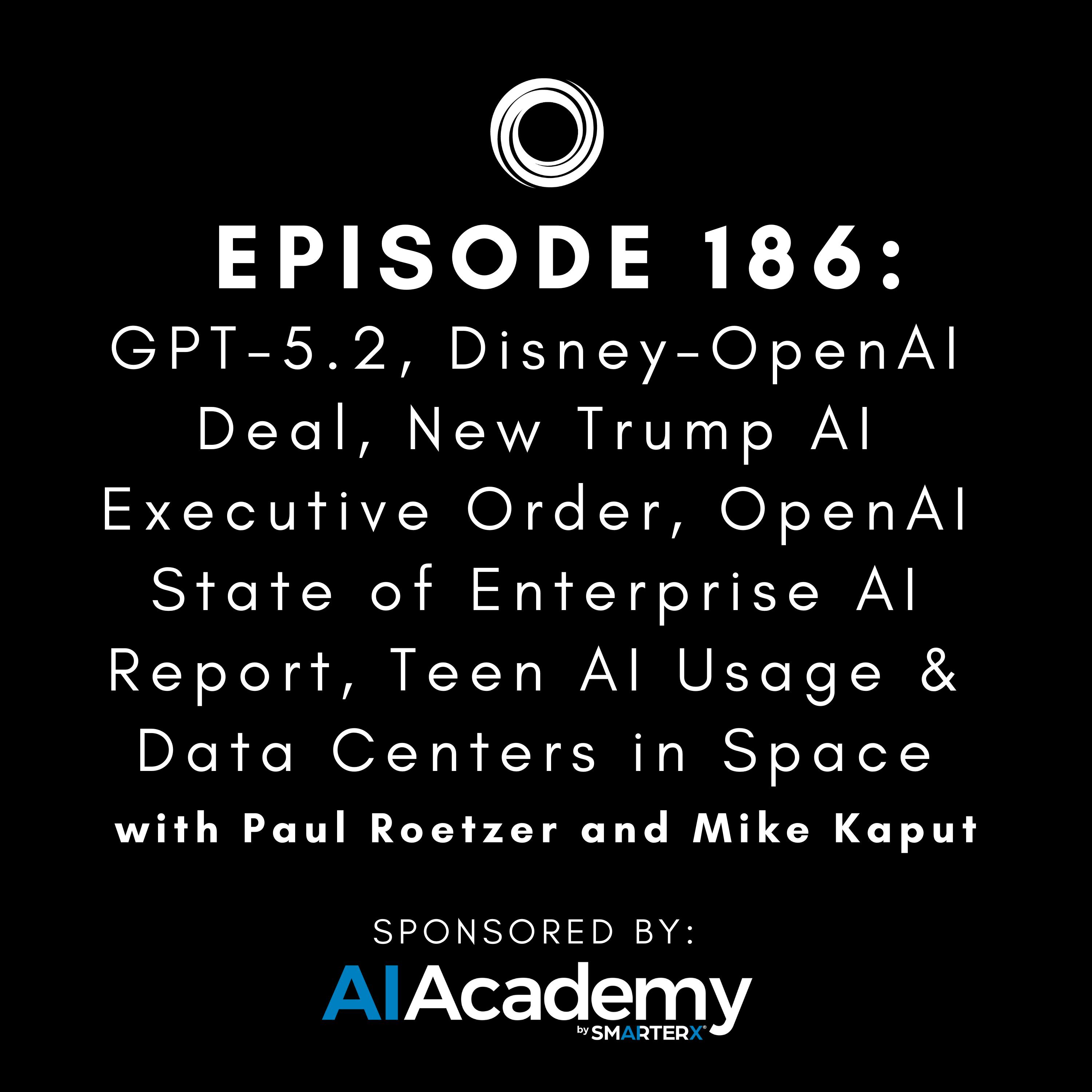
The administration's executive order to block state-level AI laws is not about creating a unified federal policy. Instead, it's a strategic move to eliminate all regulation entirely, providing a free pass for major tech companies to operate without oversight under the guise of promoting U.S. innovation and dominance.

A single, powerful AI model demonstrated such significant cybersecurity risks that it's causing the White House to reconsider its deregulation stance and weigh a government-led vetting process for new models. This makes abstract safety concerns concrete and actionable for policymakers.

AI policy has largely been bipartisan, especially on national security issues like restricting chip sales to China. However, a new partisan gap is forming, with a potential second Trump administration signaling a shift towards deregulation ("let the private sector cook") and resuming chip sales to China.