Get your free personalized podcast brief
We scan new podcasts and send you the top 5 insights daily.
Focusing on metrics like 'k-factor' and 'CAC' too early kills the soul of a community. Instead, create 'lore'—shared language, inside jokes, and silly rituals. This emotional connection is what builds a cult-like following, and the positive metrics will follow organically.

Related Insights
When starting a community-based brand, resist the urge to sell products. Instead, spend 2-3 years creating value through conversation and platforming members. This builds deep equity and trust, leading to far greater long-term sales than you would achieve with short-term, transactional tactics.

Forget the unicorn obsession. Focus on building an “elephant”: a durable company defined by three traits. 1) Community Obsessive (customers are “members”). 2) Purpose-Driven (changing an industry, not adding a feature). 3) Building in Public (founder is the face). This framework prioritizes resilience and cult-like followings over vanity metrics.

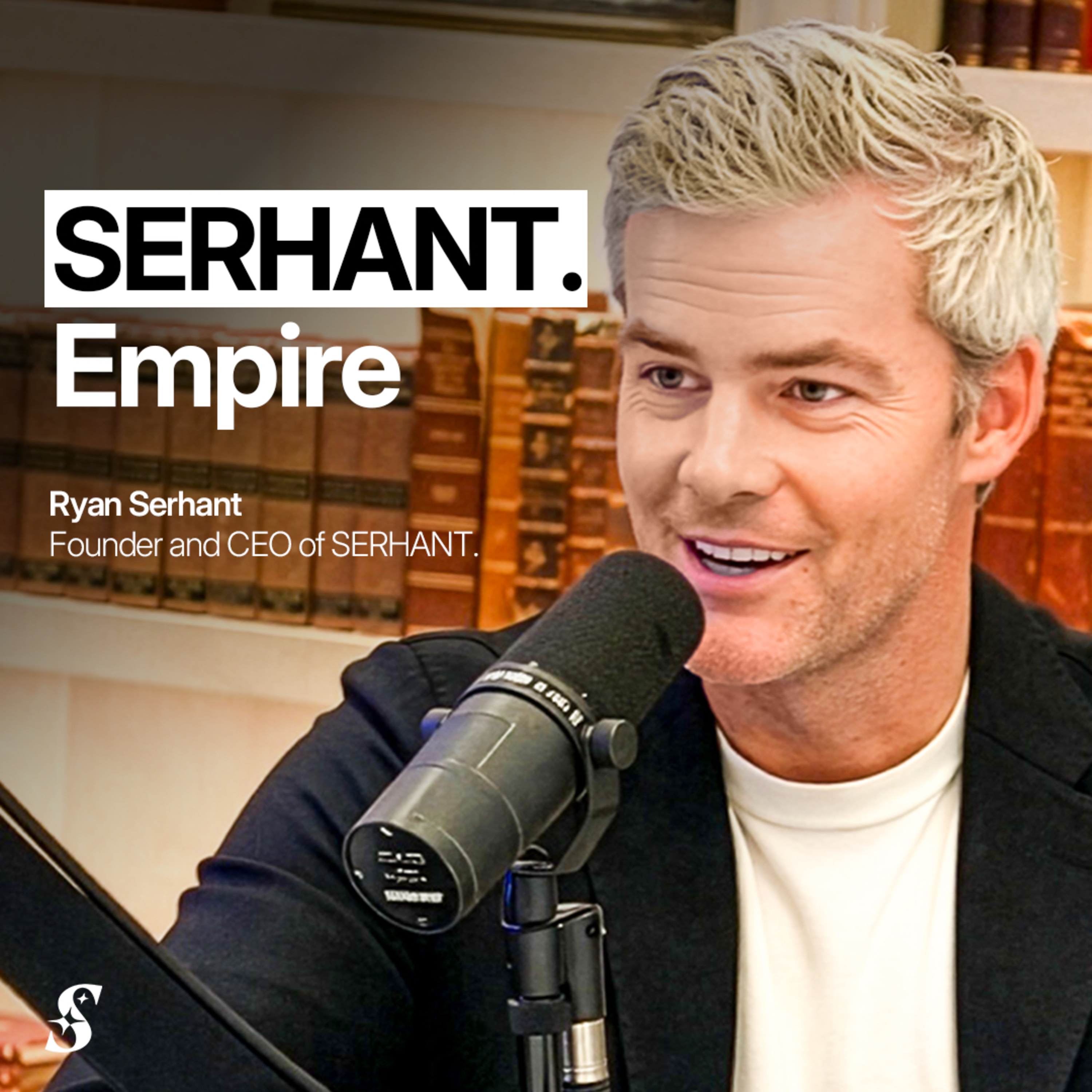
To convert an audience into a community, leaders must show vulnerability. People connect emotionally with struggles, not just a constant stream of success. Serhant's strategy is to frame his job as losing all day, with wins being a bonus. This creates a relatable culture that fosters loyalty.
Like SEO, building a genuine community is not a short-term go-to-market motion. It requires a significant, sustained investment of time and human capital. The results are not immediate but can become an incredibly fruitful and durable asset over time.

Birdies founder Bianca Gates argues that real community isn't a marketing tactic. It emerges organically from a founder's genuine need for help, leveraging personal networks for everything from feedback to early sales. This desperation creates authentic early evangelists.

For a new evangelism function, initial KPIs should be qualitative and focused on creation, such as establishing peer groups and launching community activations. Hard revenue metrics are unrealistic until a foundation is built over at least a year.

The metric for a successful community has shifted from high activity ("noise") to high trust. Members no longer want to sift through hundreds of discussions. They want a smaller, curated space where they can trust the expertise and intentions of the other people in the room.

The most powerful way to foster community engagement is to feature its members. Hosting a weekly live stream with a different community member creates a "golden ticket" effect. This incentivizes others to participate more actively in the hopes of being selected, organically deepening the community's engagement.
Educational content and events are effective for acquiring new community members. However, the true "sticky feature" that drives long-term retention is the genuine connections members form with each other. Marketing hooks people, but relationships make them stay.
An audience disappears when the creator stops performing. A true community connects members with each other, fostering user-generated content and discussions (like recipe sharing) that live on independently. This increases retention and creates a defensible moat.