Get your free personalized podcast brief
We scan new podcasts and send you the top 5 insights daily.
A company's unique operational processes and judgments—its "tacit knowledge"—is a new form of IP called "token capital." Feeding this to external AI models is a one-way door to losing competitive advantage. This capital must be cultivated and protected internally.

Related Insights
The most valuable intellectual property for companies will be their unique, private evaluation benchmarks. These evals allow them to "hill climb" any model, ensuring they retain control and are not locked into a single AI provider. The ability to switch models and improve performance is the key asset.
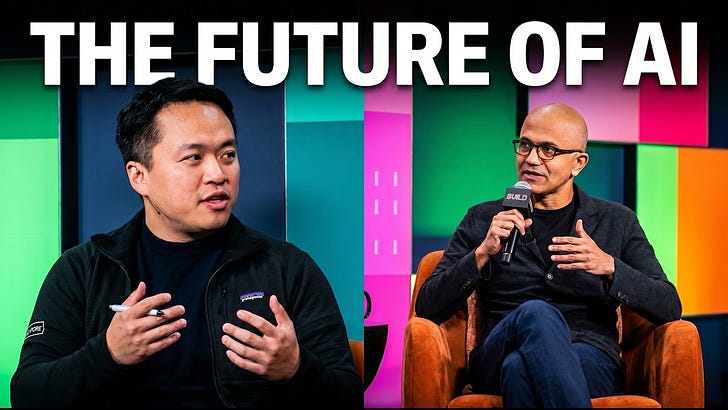
The primary bottleneck for advancing AI is high-quality, tacit data—skills and local insights that are hard to digitize. Individuals can retain economic value by guarding this information and using it to train personalized AI tools that work for them, not their employers.

Satya Nadella posits the key enterprise AI strategy is building a proprietary "learning loop." This system transforms a company's unique human knowledge into "token capital," a defensible asset that compounds over time, independent of any single underlying AI model. This creates a durable competitive advantage against competitors and model providers alike.

Since LLMs are commodities, sustainable competitive advantage in AI comes from leveraging proprietary data and unique business processes that competitors cannot replicate. Companies must focus on building AI that understands their specific "secret sauce."

Nadella suggests that 'traces' left by AI agents and humans working together capture a company's tacit operational knowledge. This collective intelligence, embodied in a 'company veteran agent,' could become a quantifiable asset that, for the first time, might be reflected on a corporate balance sheet.

When enterprises hire external firms, they outsource not just costs but also institutional knowledge. AI platforms can reverse this by capturing learnings from external engagements, building a proprietary 'brain' for the company and keeping knowledge in-house.

The true enterprise value of AI lies not in consuming third-party models, but in building internal capabilities to diffuse intelligence throughout the organization. This means creating proprietary "AI factories" rather than just using external tools and admiring others' success.
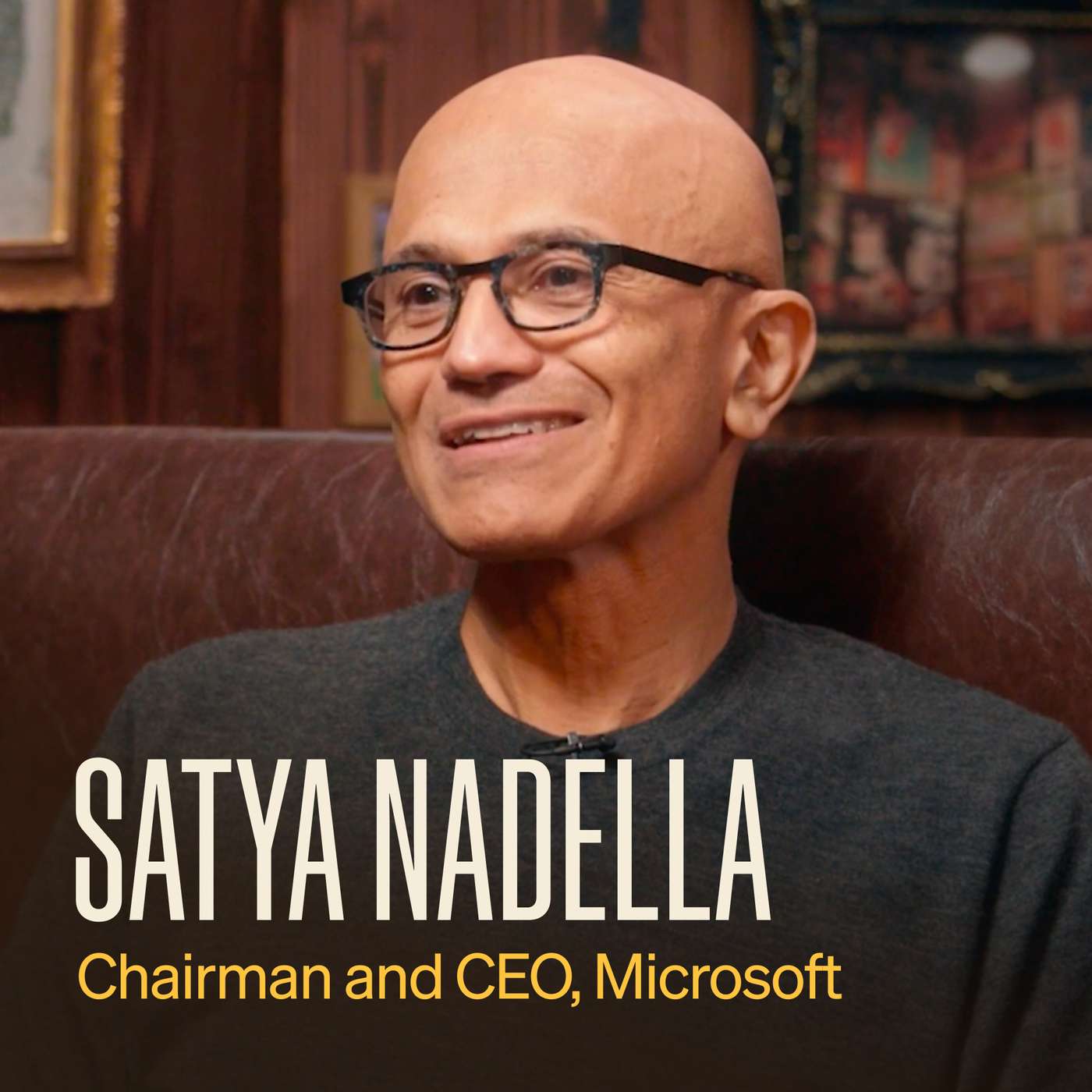
Satya Nadella argues that when enterprises use third-party AI, they give away valuable proprietary knowledge through their prompts and data. This "Reverse Information Paradox" means companies pay twice: once with money, and again by training the vendor's model with their core intellectual property.

Satya Nadella argues AI isn't an IT project to be delegated; it's a fundamental restructuring of the firm. CEOs in all industries must now deeply understand how their company creates, controls, and compounds its "token capital" or risk obsolescence.
The concept of "sovereignty" is evolving from data location to model ownership. A company's ultimate competitive moat will be its proprietary foundation model, which embeds tacit knowledge and institutional memory, making the firm more efficient than the open market.