Get your free personalized podcast brief
We scan new podcasts and send you the top 5 insights daily.
The "perfect product" for the urgent care market is defined by its workflow. A test must be fast enough—under 45 minutes—to allow for a physician-patient conversation before the patient leaves, which is critical for clinical utility and adoption.

Related Insights
Shifting from clinician-ordered to pathologist-initiated reflex testing for NSCLC biomarkers combines diagnosis and molecular analysis into one workflow. This operational change minimizes delays, increases testing rates, and optimizes the use of small biopsy samples, getting actionable results to oncologists faster.
The value of Accelios isn't just incremental speed or cost improvements. Its combination of rapid, high-quality results (a genome in 20 minutes) and run flexibility enables time-critical applications, like neonatal intensive care, that are impractical with batch-based sequencers.

To overcome logistical delays, a hybrid lab testing model is effective. It uses local labs for rapid eligibility screening to accelerate patient enrollment, while simultaneously using central labs for standardized, confirmatory validation. This approach balances the need for speed with the requirement for rigorous, reliable data.

Reducing diagnostic time for superbugs like CPE from 48 hours to under one hour is transformative. This speed allows clinicians to implement isolation measures *before* an asymptomatic patient spreads the bacteria through routine procedures like scans or operations, fundamentally shifting the paradigm from reaction to prevention.
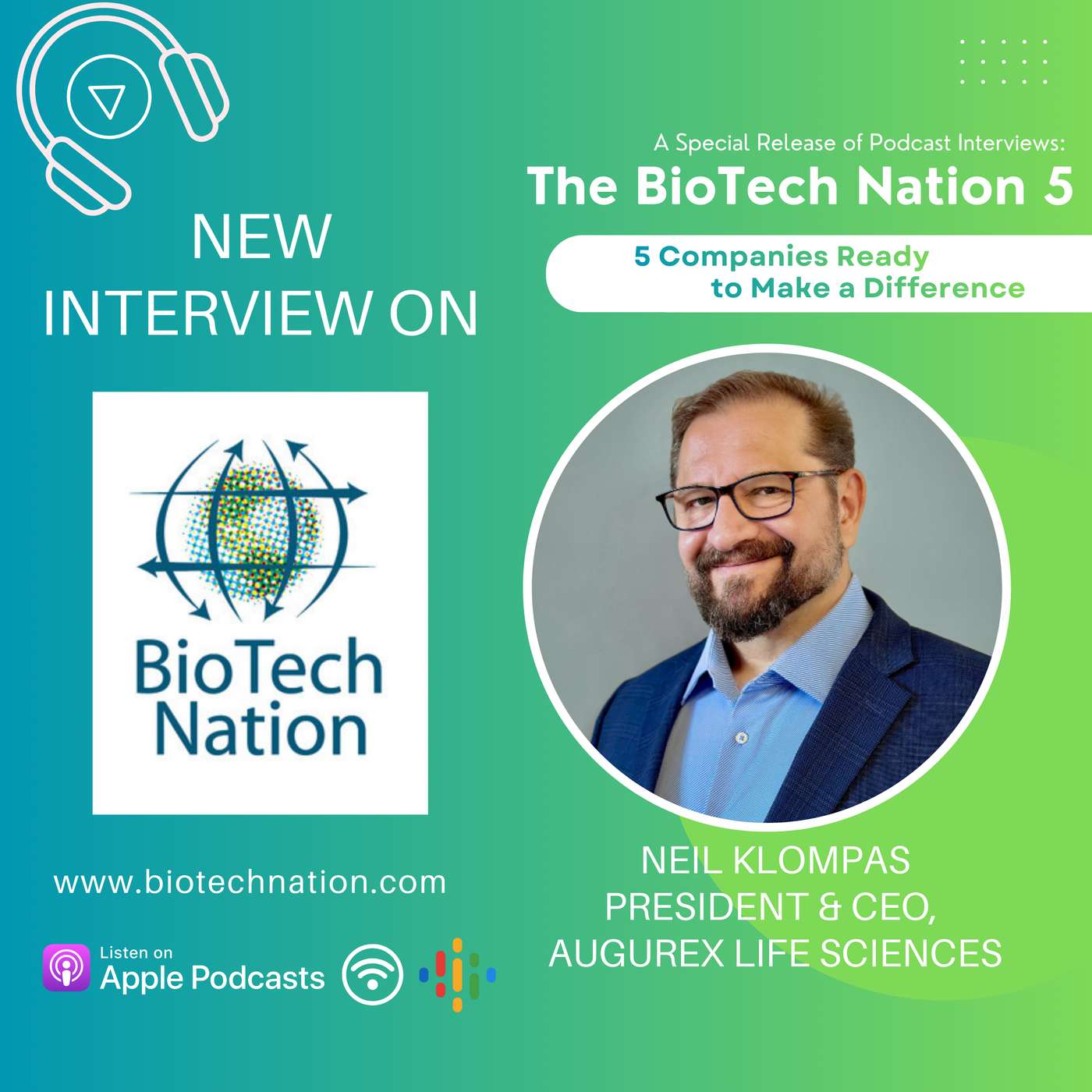
For a specific type of arthritis, the typical diagnosis is a 7-10 year "odyssey" of eliminating other causes. Augurex Life Sciences developed a direct blood test that bypasses this process. This shows how a targeted biomarker test can radically simplify and shorten a complex, inefficient diagnostic pathway for chronic conditions.
Amid soaring imaging volumes and a radiologist shortage, the primary measure of ROI for new AI tools is no longer improved diagnostic accuracy. The most critical factor for adoption is now direct time savings and workflow efficiency. Any technology that adds time to a radiologist's day will fail, even if it improves detection.

Removing the need for target amplification (like PCR) is the critical innovation that unlocks fast, cheap, and easy-to-use molecular tests. This makes high-value diagnostics accessible outside traditional hospital labs for the first time.
Many companies fail by building a technology and then searching for a problem. VedaBio exemplifies the opposite approach: first defining the "perfect product" for a specific need (urgent care testing), and then applying the right technology to build it.
Regulatory approval is just an early milestone in diagnostics. True success requires solving for reimbursement, manufacturing scale, supply chain, and commercialization from the very beginning. These non-scientific hurdles are critical for building a viable business.
Unlike complex cell therapies requiring hospital stays, Diakonos' treatment is a quick outpatient injection. This simplified administration allows them to partner with community cancer centers, not just major research hospitals, dramatically increasing trial recruitment speed and potential market access.