Get your free personalized podcast brief
We scan new podcasts and send you the top 5 insights daily.
Katie Nolan uses her SiriusXM call-in show to connect with a traditional sports talk radio audience that differs from her podcast listeners. This 'old media' format allows her to engage directly, challenge perspectives one-on-one, and build rapport with a demographic she might not otherwise reach.

Related Insights
The NYT's audio strategy succeeds by creating intimate, personality-driven shows that feel like a friend explaining the news. This approach makes complex stories accessible, opening up entirely new engagement patterns and audiences beyond traditional readership.
Potential customers who ignore sales pitches are often flattered by an invitation to share their expertise on a podcast. This strategy transforms a cold outreach into a warm, relationship-building conversation, effectively bypassing traditional gatekeepers.

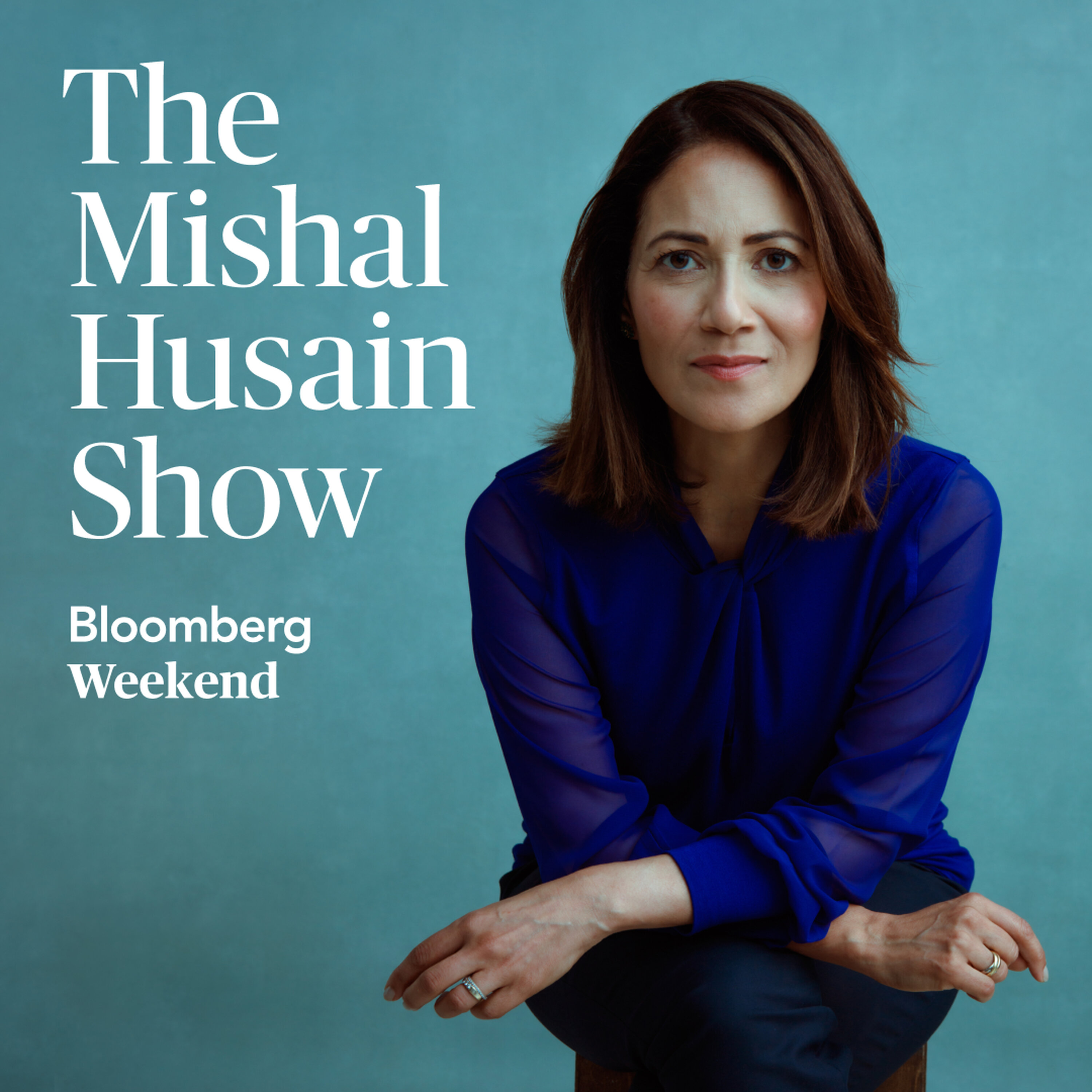
Mishal Husain strategically launches her podcast by dedicating the opening to her 20-year BBC career. This isn't just biography; it's a direct transfer of institutional credibility and audience trust from a legacy brand to her new, personal media venture, immediately establishing authority in a crowded market.
A podcast isn't just content; it's a tool for building parasocial relationships. This creates a "tuning fork" effect, attracting high-caliber listeners and guests who feel they already know you, leading to valuable real-world connections and opportunities.

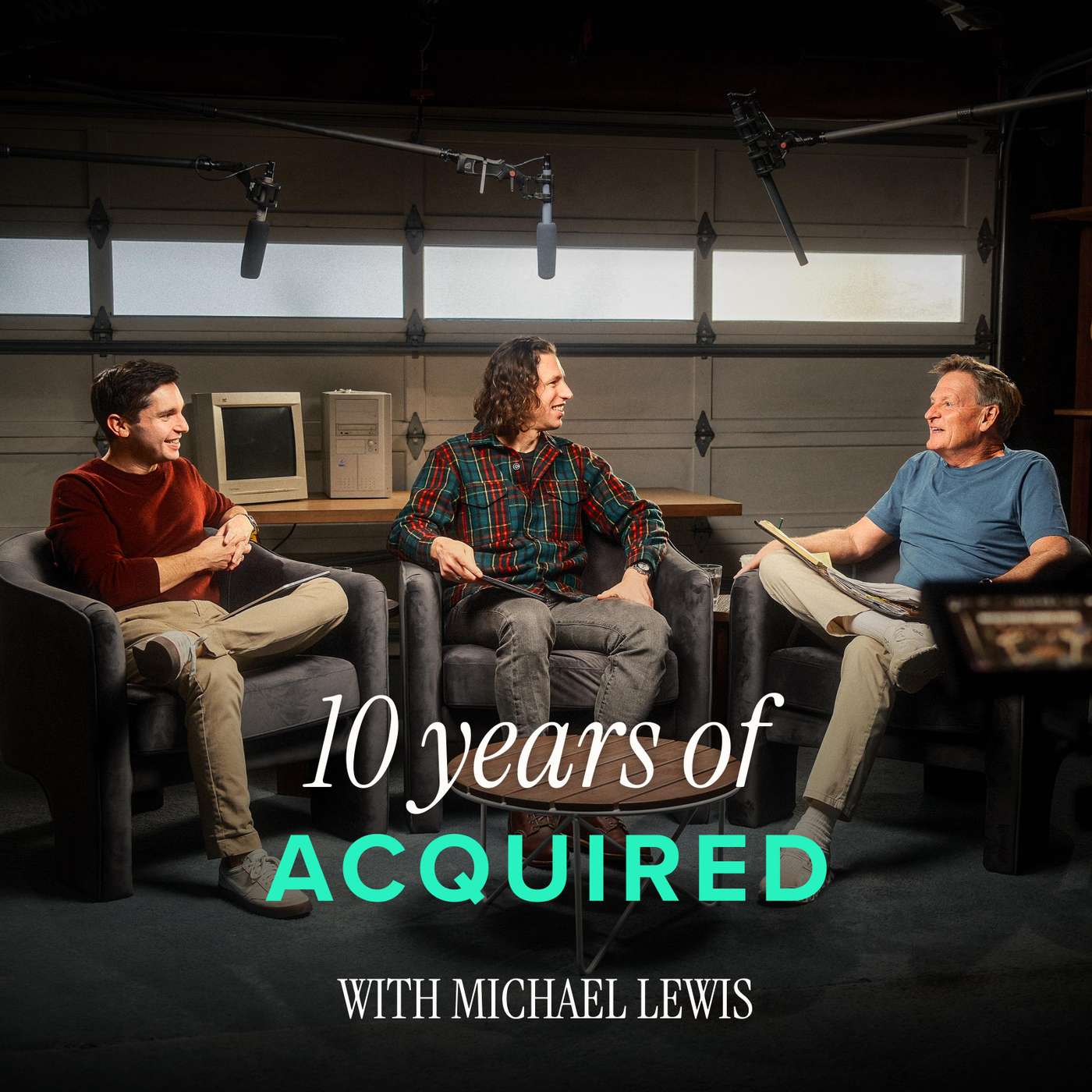
Acquired's hosts intentionally stopped sharing research to create authentic on-air reactions. This improvisational element adds emotional depth and surprise, signaling to the audience what's important and making complex topics more engaging than a scripted delivery ever could.
If your podcast has built brand equity but now serves the wrong audience for your business goals, don't scrap it. Instead, pivot by changing the guest mix. Drastically shift the ratio of guests to reflect your new target demographic while retaining a small number of original-style guests to keep existing listeners engaged.
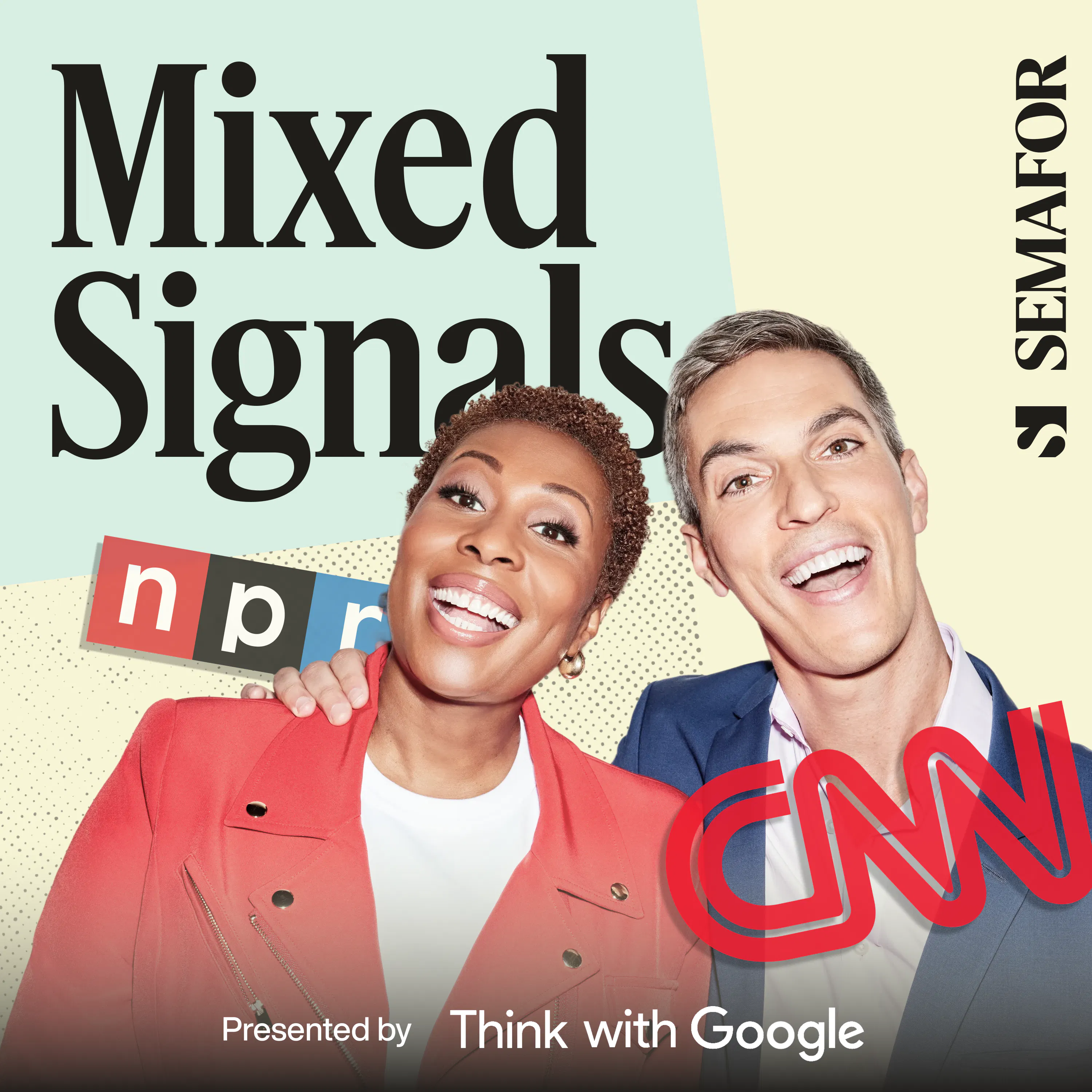
Former NPR hosts explain that radio audiences often "tune in" by chance, creating a discovery model. Podcast listeners, however, actively choose to "spend time with" a specific host. This fundamental difference requires creators to build a direct, personal relationship with an audience that is already inclined to like them.
Unlike traditional media's short, confrontational interviews, long-form podcasts allow public figures to have extended, nuanced conversations (e.g., three hours on Joe Rogan). This reveals a more human side and can significantly shift public perception.

While online feeds are open to everyone, legacy media acts as a gatekeeper to large, distinct audiences. Figures like Dave Ramsey dominate via radio. Tapping into these channels offers a unique distribution advantage by reaching bubbles of attention that new media doesn't touch.

The announced tour isn't just a live recording; it's a value-added package. The format blends the podcast's familiar style with exclusive elements like a guest interview, live-only content, and direct audience participation on stage. This creates a compelling reason for fans to attend in person.
