Get your free personalized podcast brief
We scan new podcasts and send you the top 5 insights daily.
Developers are using specialized state agencies, like Utah's military-focused MITA, to fast-track projects. These agencies can override local zoning and permitting, effectively blindsiding county governments and their constituents until a project is already approved at the state level.

Related Insights
Virginia's executive order prohibits state agencies from entering into NDAs about data centers. This move directly confronts the common practice of shielding information about a project's resource demands and community impacts from the public, forcing greater transparency.

America's slow permitting process and "Not In My Backyard" (NIMBY) culture create a critical bottleneck for essential energy and tech infrastructure. Contrasted with China's rapid development, this inability to build becomes a strategic disadvantage, threatening US innovation, economic growth, and global competitiveness.
![John Arnold - China, Energy Markets and Fixing America's Systems - [Invest Like the Best, EP.461] thumbnail](https://megaphone.imgix.net/podcasts/8d466670-1755-11f1-baf2-dfb3d97a3978/image/4ec9ac82b5c7a937e9e90aa69d037805.jpg?ixlib=rails-4.3.1&max-w=3000&max-h=3000&fit=crop&auto=format,compress)
Local city governments are often captured by "Not In My Backyard" (NIMBY) homeowners who block essential development. A practical solution is to elevate planning and zoning authority to the state level. States, motivated by tax revenues and broader growth, are inherently more development-friendly.

Officials with larger constituencies, like governors, tend to be more pro-housing (YIMBY) because they consider the region-wide benefits of growth. In contrast, local city councilors often cater to hyper-local NIMBY concerns. Elevating decision-making to the state level can overcome local opposition.

To circumvent growing local opposition and permit denials related to water and power usage, data center developers are pivoting to off-grid strategies. By building self-sufficient facilities powered by natural gas turbines and fuel cells, they aim to eliminate community impacts and sidestep political and regulatory hurdles slowing traditional projects.

To combat local resistance (NIMBYism), Governor Newsom's administration shifted from a passive stance to an aggressive one. It created a "housing accountability unit" and sued cities like Huntington Beach to enforce state housing laws and goals, centralizing power previously left to localities.

The rush for AI infrastructure, driven by hyperscalers, creates a chain reaction where developers and states prioritize speed over all else. This process inherently excludes local residents, leading to fierce, predictable opposition when projects are revealed.
The opposition movement is not just about protest; it's a tactical campaign. Experts are training citizens to use local governance tools like land-use ordinances and zoning regulations to block or constrain hyperscale data centers, prioritizing community input over an outright ban.
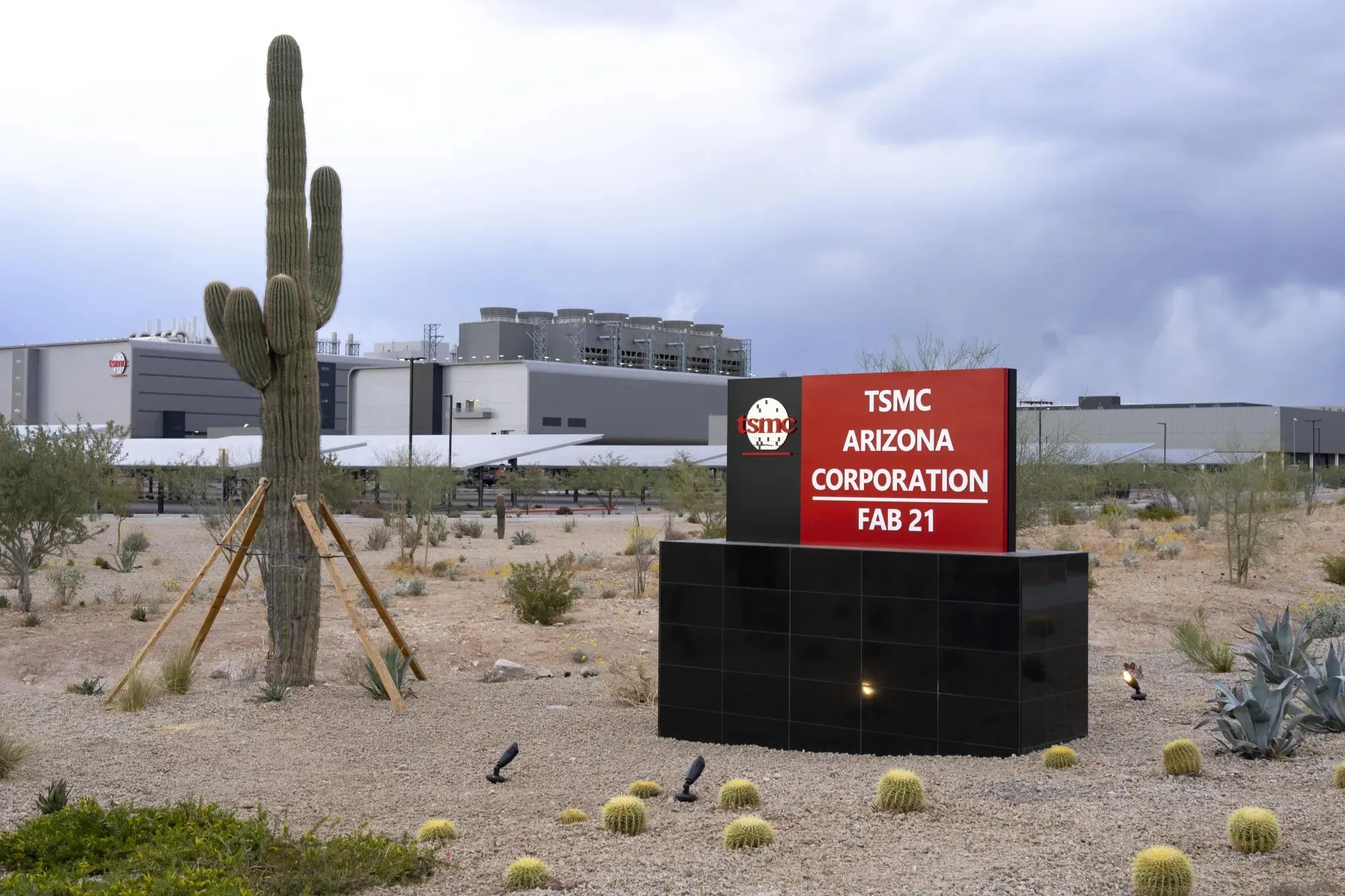
To reduce friction for new businesses, Arizona's commerce authority consolidates permitting. Instead of a company bouncing between transportation, wildlife, and historical agencies, the state coordinates internally, offering a simplified 'one-stop shop' that serves as a key competitive advantage.
Initially seen as anti-growth, state-level data center moratoriums are now viewed as a practical solution to the power imbalance between small towns and tech giants. They allow states to create standardized, beneficial deal templates that local governments lack the capacity and expertise to negotiate on their own.
