Get your free personalized podcast brief
We scan new podcasts and send you the top 5 insights daily.
Blockworks focused on top-down media distribution while Messari built bottom-up quantitative data. By acquiring their respected rival, they fused two complementary approaches to market transparency, creating a full-stack solution that would have taken years to build independently and uniting a fragmented market.

Related Insights
The founder of Haywire explicitly modeled his company on being "the Bloomberg for hay." This validates the strategy of identifying an opaque, information-poor market and building a centralized data and analytics platform to become the definitive source of transparency.

A key distinction in serial acquisition strategies is "programmatic" versus "roll-up." Programmatic M&A involves buying and holding companies with no integration to preserve autonomy. In contrast, roll-ups focus on actively integrating acquisitions to create synergies and centralize functions.

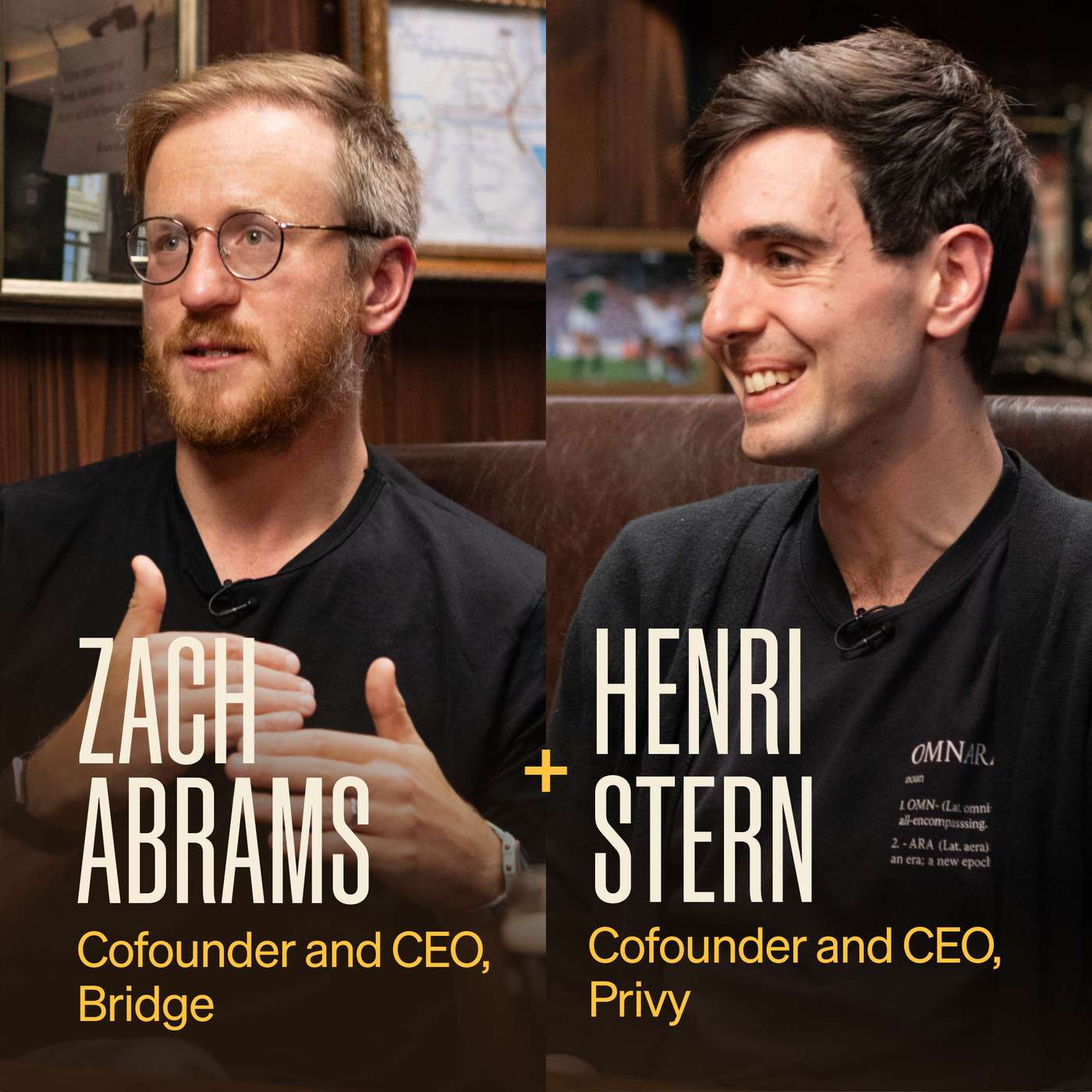
Stripe's acquisitions of Bridge and Privy follow the Google playbook (e.g., YouTube, Android) rather than the Oracle model. The goal is not to absorb a mature product but to acquire a high-potential team and technology to build a new, strategic business pillar from an early stage.
Bryan Johnson reveals his strategy for Braintree was to first capture the merchant side of the payments market with top-tier clients like Uber and Airbnb. Once that was established, he acquired Venmo to instantly gain the consumer side, completing the two-sided marketplace without the immense cost of building it from scratch.

In traditional finance, data providers (S&P) and ratings agencies (Moody's) are separate, high-headcount businesses. The combination of transparent on-chain data and AI allows a single firm to perform these functions instantly and cheaply, threatening to consolidate this fragmented, multi-hundred-billion-dollar market.
The major trend in 2025 MarTech/CX M&A was defensibility. Acquirers focused on locking down specific industries by buying companies with trusted benchmarks and vertical-specific data, creating a competitive moat that's harder to replicate than simply adding new software features.

When taking over a roll-up that has prioritized deal volume over integration, the first move should be to halt all new acquisitions. The focus must shift entirely to cleaning up data, standardizing tech stacks, and truly integrating existing assets to build a defensible, valuable platform.
A key opportunity exists in pairing successful creators, who have audience and cultural relevance but lack business infrastructure, with media companies that possess monetization engines but have lost touch with talent-driven content. This symbiotic relationship forms the basis for a modern media M&A strategy.

The SpaceX/Cursor deal, with its $60B acquisition option, reveals a symbiotic survival strategy. SpaceX has immense, underutilized compute but lacks a killer AI application and revenue. Cursor has a strong product and user base but is resource-constrained. This fusion solves both companies' critical weaknesses, signaling a new M&A driver where compute is traded for product-market fit.

Contrary to popular decentralized models, QXO fully integrates its acquisitions like Beacon and Kodiak into a single brand. This centralized approach aims to maximize synergies through consolidated procurement, cross-selling, and a unified tech stack, a departure from leaving acquired companies independent.