Get your free personalized podcast brief
We scan new podcasts and send you the top 5 insights daily.
Despite prior speculation of a slowdown, the prominence of Antibody-Drug Conjugates (ADCs) in first-in-human trials at ASCO is "skyrocketing." The volume of new ADC trials now nearly equals that of small molecules and far surpasses traditional monoclonal antibodies.

Related Insights
The panel reviews advanced, second-line ADC trials in China using novel targets and payloads. An expert remarks that these are the drugs and questions the US and Europe may only begin to study in two to three years, signaling a significant shift in the global oncology R&D landscape.

Unlike novel challenges from bispecifics, upcoming SCLC therapies like antibody-drug conjugates (ADCs) and radiopharmaceuticals will benefit from existing familiarity. Community practices are already comfortable with these drug classes from their use in breast cancer (ADCs) and prostate cancer (radioligands), which should streamline their integration.

To mitigate the severe toxicity of promising pan-RAS inhibitors, companies are adopting antibody-drug conjugate (ADC) technology. This marks a strategic expansion for ADCs, moving beyond traditional cytotoxic chemotherapy payloads to delivering highly specific targeted therapies, aiming to improve the therapeutic window of potent new drug classes.

A new wave of antibody-drug conjugates (ADCs) is transforming ovarian cancer treatment. These 'heat-seeking missiles' deliver potent chemotherapy payloads directly to tumor cells, achieving response rates from 23% to over 60% in biomarker-selected populations. This far surpasses the efficacy of conventional chemotherapy in resistant settings.

The Simcirzyming and Ipsen deal, valued up to $1.06 billion for a preclinical antibody-drug conjugate (ADC), shows the immense value of promising therapeutic modalities. Technologies like ADCs with features like 'enhanced tumor penetration' can secure massive bio-dollar deals long before human trials, signaling intense competition for next-generation oncology assets.
Unlike older antibody-drug conjugates (ADCs), newer agents are designed so their chemotherapy payload can diffuse out of the target cell and kill nearby tumor cells that may not even express the target antigen. This "bystander effect" significantly enhances their anti-tumor activity.
While immunotherapy was a massive leap forward, Dr. Saav Solanki states the next innovation frontier is combining it with newer modalities. Antibody-drug conjugates (ADCs) and T-cell engagers are being used to recruit the immune system into the tumor microenvironment, helping patients who don't respond to current immunotherapies.

As multiple effective Antibody-Drug Conjugates (ADCs) become available, the primary clinical challenge is no longer *if* they work, but *how* to use them best. Key unanswered questions involve optimal sequencing, dosing for treatment versus maintenance, and overall length of therapy, mirroring issues already seen in breast cancer.
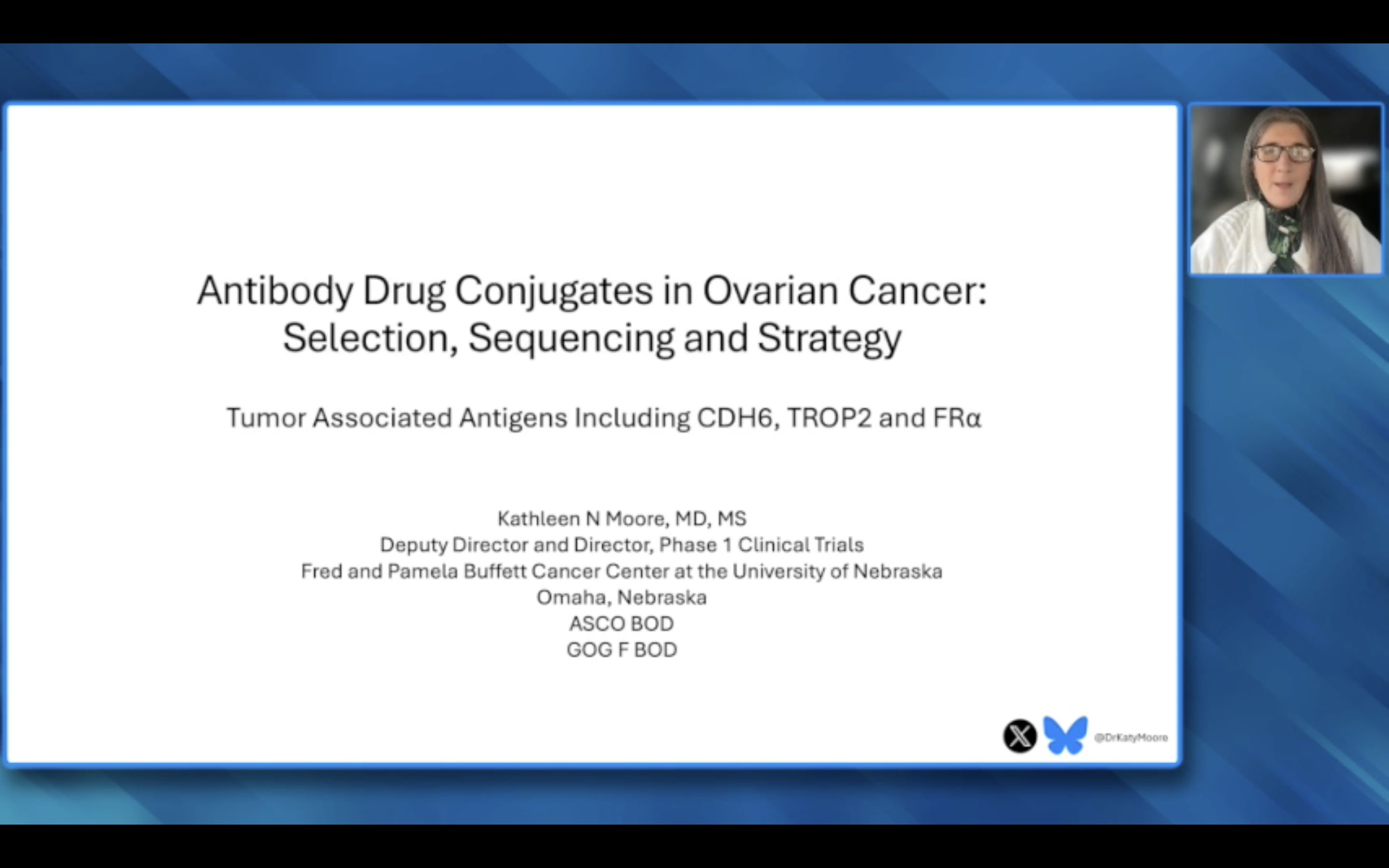
In notoriously hard-to-treat small cell lung cancer (SCLC), ADCs are emerging as a crucial next step. They hold promise for patients who progress after chemoimmunotherapy and newer targeted agents like tarlatamab, a setting where treatment options are currently scarce. ADCs could provide meaningful responses in this significant unmet need.
The next wave of antibody-drug conjugate (ADC) innovation utilizes a "toolbox" of linker technologies rather than a one-size-fits-all solution. Companies now select from a range of site-specific conjugation methods—from established cysteine engineering to advanced non-canonical amino acids—based on the specific payload and desired therapeutic index, creating a highly customized development process.