Get your free personalized podcast brief
We scan new podcasts and send you the top 5 insights daily.
Microsoft's massive $17.5 billion investment is justified by a single projection from its subsidiary, GitHub: India will host the world's largest developer community by 2030. This data point transforms the country from a promising growth market into the indispensable future hub for global software talent.

Related Insights
Contrary to the post-COVID trend of tech decentralization, the intense talent and capital requirements of AI have caused a rapid re-centralization. Silicon Valley has 'snapped back' into a hyper-concentrated hub, with nearly all significant Western AI companies originating within a small geographic radius.

Stripe data shows the median top AI company operates in 55 countries by its first year, double the rate of SaaS companies from three years prior. This borderless nature from day one requires financial infrastructure that can immediately support global payment methods and compliance.

Increased developer productivity from AI won't lead to fewer jobs. Instead, it mirrors the Jevons paradox seen with electricity: as building software becomes cheaper and faster, the demand for it will dramatically increase. This boosts investment in new projects and ultimately grows the entire software engineering industry.
The perception of AI coding assistants has shifted. They are no longer just tools for a productivity boost but are becoming a fundamental, non-negotiable part of the modern developer's workflow. This implies an eventual market penetration approaching 100%, drastically changing the market size calculation.

To stay relevant, tech platform companies must obsessively follow developers and startups. They are the primary source of insight into emerging workloads and platform requirements. This isn't just for partnerships, but for fundamental product strategy and learning.
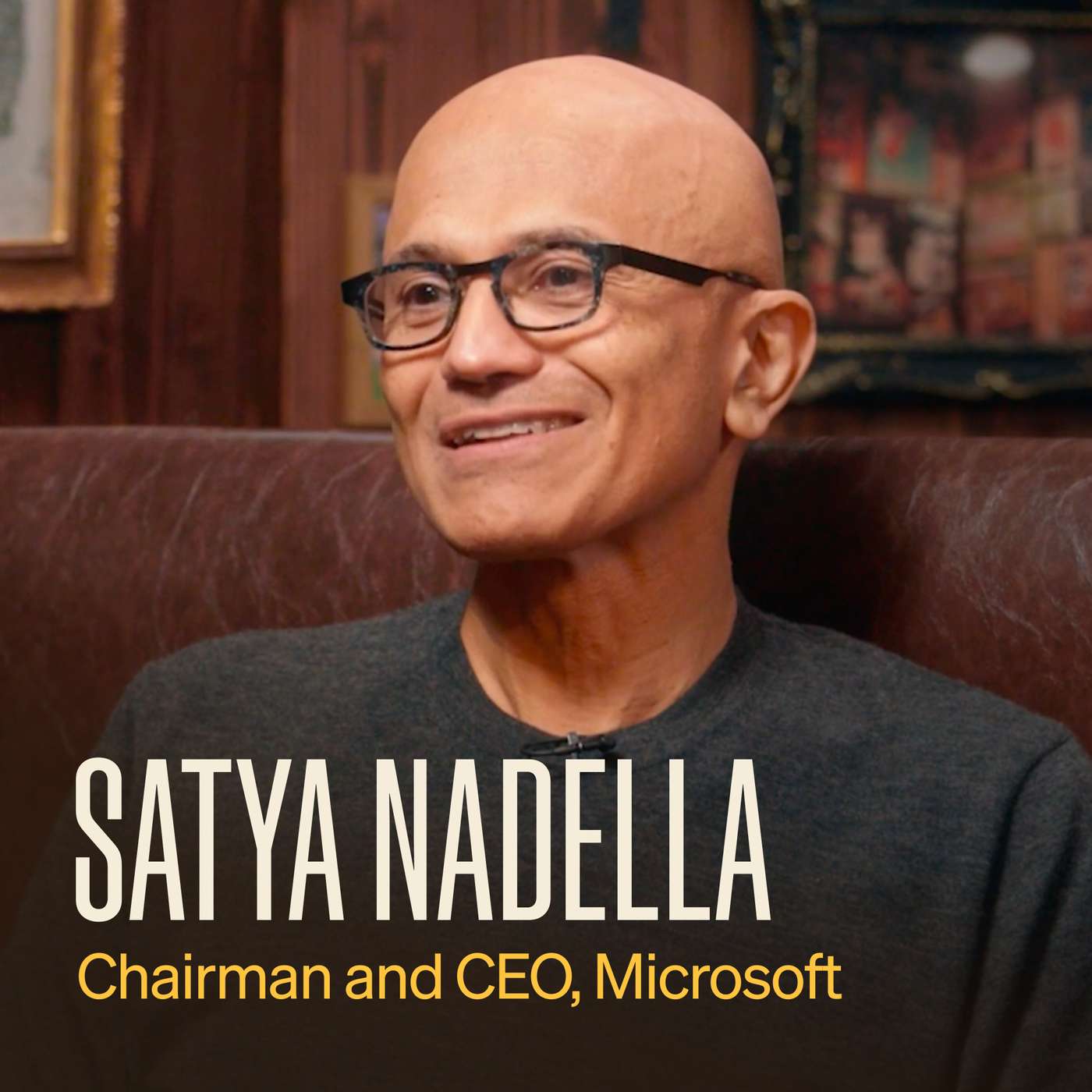
Microsoft navigates a key political challenge by framing its global scale as a security asset, not a sovereignty threat. It guarantees local data residency to satisfy India's laws while arguing that only its massive global threat intelligence network can adequately protect that same data, creating a compelling proposition for the government.
A "golden category" is a market that adds at least one billion dollars of net new ARR in a single year across all products. Identifying these categories, like code generation today, is crucial for multi-stage funds. The immense market pull means they are almost guaranteed to produce massive outcomes, making it essential to have a bet in the space.

The value generated by 30 million developers worldwide is estimated at $3 trillion. AI tools that augment or disrupt this work are tapping into a market equivalent to the GDP of a major economy, making it the first truly massive market for AI.

Microsoft's plan to train 20 million people in India is a strategic move to create a massive, captive customer base for its Azure cloud services. This transforms a passive infrastructure investment into an active market-shaping strategy, ensuring demand for the very services they are building out.
Microsoft's plan to train 20 million AI users in India actively fuels exponential demand for energy-intensive computing. This creates a fundamental long-term conflict with its commitment to build fully sustainable data centers. The strategy's success hinges on whether efficiency can outpace this deliberately engineered demand growth.