Get your free personalized podcast brief
We scan new podcasts and send you the top 5 insights daily.
Patrick McKenzie reveals that entities like Fidelity Charitable operate by investing undisbursed charitable balances back into proprietary investment vehicles. Fidelity charges the charity between 1.5 and 99 basis points annually to manage those tax-free assets, turning charitable contributions into an ongoing revenue engine for financial parent firms.
Related Insights
The standard percentage-based AUM fee is fundamentally misaligned with the value provided, especially when advisors simply use index funds. It persists not because of its fairness, but because fees are deducted directly and invisibly from accounts, obfuscating the true cost from the client.

Patrick McKenzie points out that while local nonprofits cannot navigate the ACAT system to ingest appreciated stock directly, large donor-advised funds handle this execution seamlessly. The fund receives the appreciated equity, liquidates it, and mails a simple check to the charity, shielding small organizations from complicated financial rails.
The Ares Pathfinder funds embed philanthropy into their structure by pledging 5-10% of the firm's carried interest (promote) to charities. This model aligns financial success with social impact, has generated over $40 million, and inspired a wider "Promote Giving" movement.

Asset managers collect a fixed management fee regardless of performance, ensuring stable revenue. They also earn a large percentage of profits (carried interest), creating immense upside potential. This combination makes it one of the most resilient and profitable business models.

A Donor Advised Fund (DAF) allows you to gain an immediate tax benefit by donating assets while deferring the decision of which specific charities to support. This decouples the urgent need for tax optimization from the longer-term, personal process of developing a philanthropic strategy.
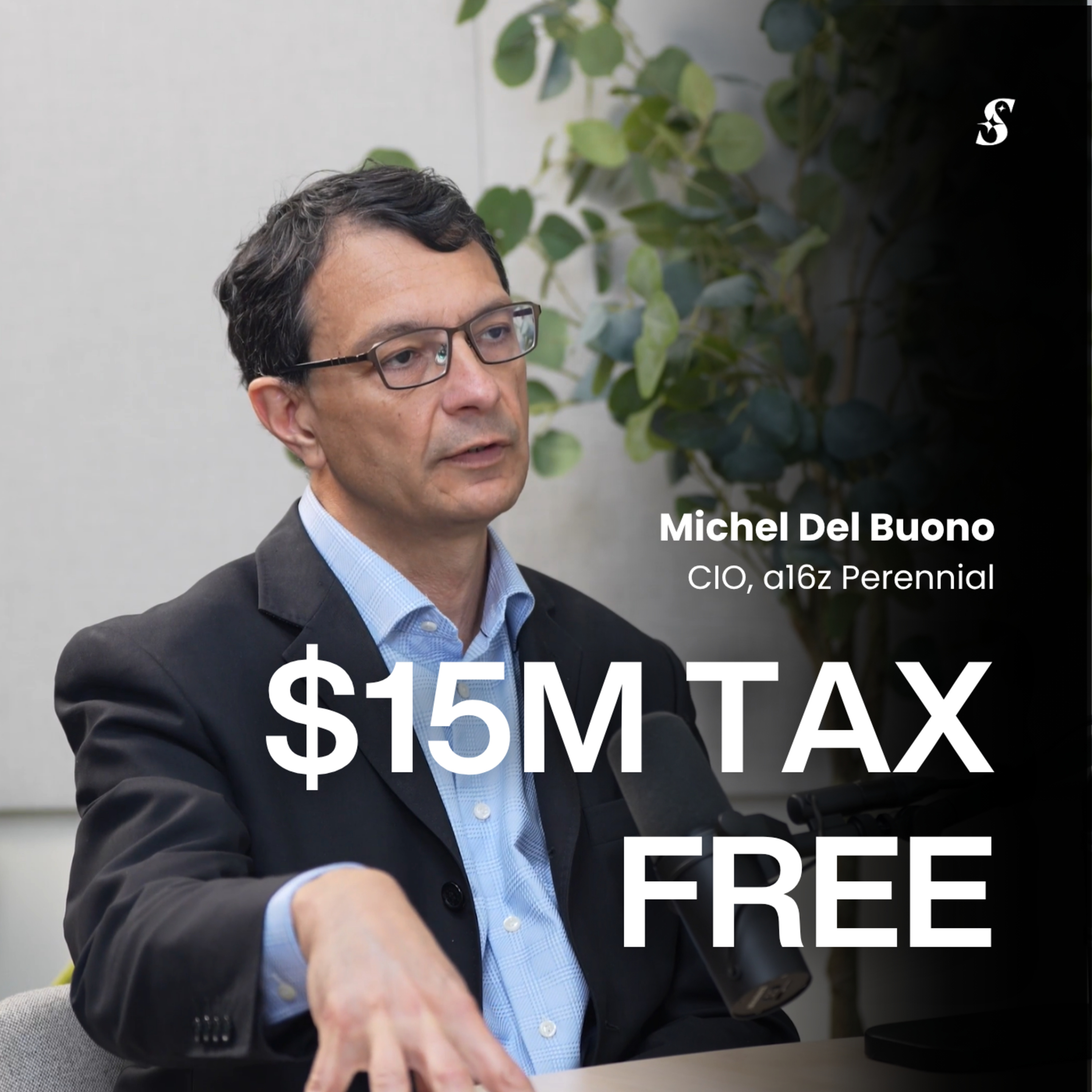
Beyond charity, private family foundations act as powerful wealth-building vehicles. Assets like stocks and real estate can appreciate and be sold inside the foundation with zero capital gains tax. Furthermore, only 5% of assets must be donated annually, and family members can be hired, shifting income to lower tax brackets.

Buying shares in a publicly traded asset manager like Blackstone isn't a direct investment in their portfolio. Instead, you're buying their consistent stream of management fees, which are generated regardless of whether their investments go up or down. This can be a more stable play than investing in the funds themselves.

Patrick McKenzie highlights that tech founders and employees with lumpy windfalls can sweep years of charitable donations into a donor-advised fund instantly. Donors claim their full tax deduction during that peak income year, while retaining the freedom to disburse the capital to operating charities years later.
Patrick McKenzie explains that donor-advised funds disburse large amounts via physical checks because paying someone by check needs only a verified legal name and address. Unlike credit card integrations, paper checks allow funds to dispatch unsolicited grants immediately without demanding prior technical setup or recipient coordination.
Beyond asset management fees, private equity firms owning insurers also charge them for other services like IT, accounting, and consulting. This creates additional revenue streams for the PE parent, extracting further value from the insurer's balance sheet.
