Get your free personalized podcast brief
We scan new podcasts and send you the top 5 insights daily.
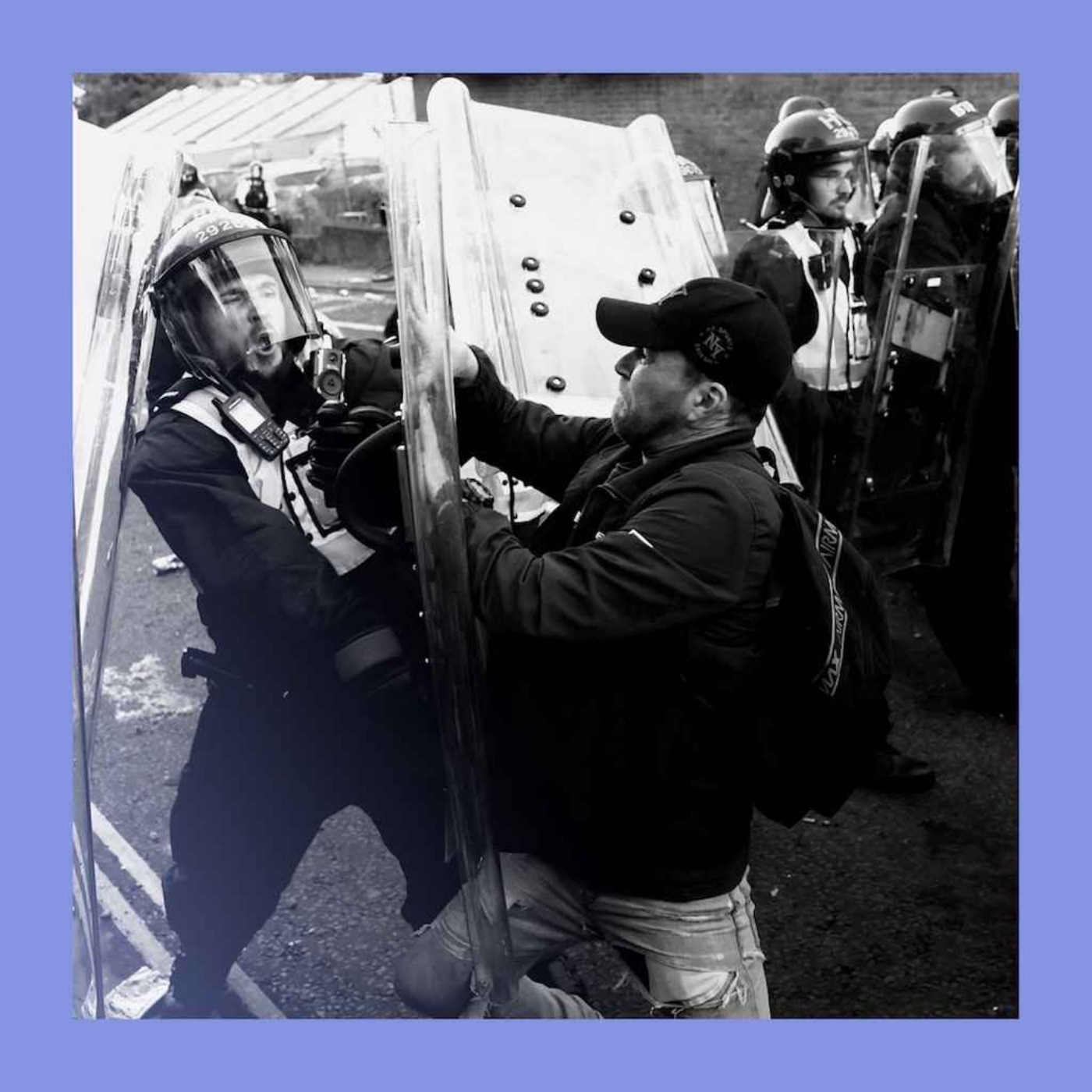
Controversial UK police guidance posits that true fairness requires officers to adjust their handling of suspects and victims based on race, rather than treating everyone the same. This policy is now under review following a high-profile murder case, highlighting a deep-seated institutional dilemma.
Related Insights
Body cameras don't resolve police-civilian disputes because viewers' group identities determine what they see. Jurors identifying with police focus on the suspect's faults, while others focus on the officer's, leading to opposite conclusions from the same footage.

New laws and regulations often fail because an officer's actions are more heavily influenced by the informal norms and values absorbed from peers. This 'us vs. them' culture stresses aggression and loyalty over procedure, meaning true police reform must focus on changing the internal culture, not just adding rules from the outside.

The right-wing Reform UK party is framing the death of Henry Novak as a mirror image of George Floyd's murder. This is a deliberate political strategy to create a counter-narrative to the Black Lives Matter movement, which they believe was disproportionate to the UK's racial issues.
There's a growing trend in policymaking to prioritize compassion and fairness, described as a "female coded" approach. While well-intentioned, this can lead to policies that are divorced from the practical realities of cause and effect, ultimately creating negative outcomes.

The public outrage and riots in the UK stem not just from Henry Nowak's death, but from the stark contrast in official and cultural response compared to George Floyd's death. This creates a powerful sense of a two-tiered justice system based on race.

A large-scale study in Chicago found that Black and Hispanic police officers made fewer stops and arrests and used force less often, particularly when interacting with Black civilians. This provides empirical evidence that increasing diversity in policing directly changes officer behavior.
The intense social and professional penalty for being labeled a racist can paralyze law enforcement. This fear allegedly leads to a "two-tier" policing system where crimes committed by minorities are under-policed, while the majority population is handled more severely, eroding public trust.
An aggressive 'us vs. them' police culture alienates the community and can make crime worse. When officers act respectfully and build trust, residents are more likely to report crimes, share information about suspects, and call for help before disputes escalate. Improving police culture directly enhances public safety.
Critics argue that automated policing tools like ShotSpotter are racist because they disproportionately affect disadvantaged groups. This argument overlooks the fact that the victims of violent crime are also disproportionately from these same communities, creating a political paradox where protecting one group harms it in another way.

The attempt to correct historical injustices through "anti-racist" policies is creating a powerful backlash. It is perceived as establishing a new, inverted racial hierarchy where victimhood is prioritized based on skin color, fueling social division and anger.