Get your free personalized podcast brief
We scan new podcasts and send you the top 5 insights daily.
Early, foundational language ideas like Lisp and Prolog came from academic settings. Today, major innovations like safe systems programming (Rust) and widespread garbage collection (Java) are driven by large companies. This shift reflects the massive engineering effort now required to launch a successful new language.
Related Insights
According to Boris Churney, the specific programming language a developer uses is becoming less important because the AI model doesn't care. While features like type-checking currently help guide the model, future AIs will be sophisticated enough to write perfect code directly in low-level languages like assembly, abstracting away language choice entirely.

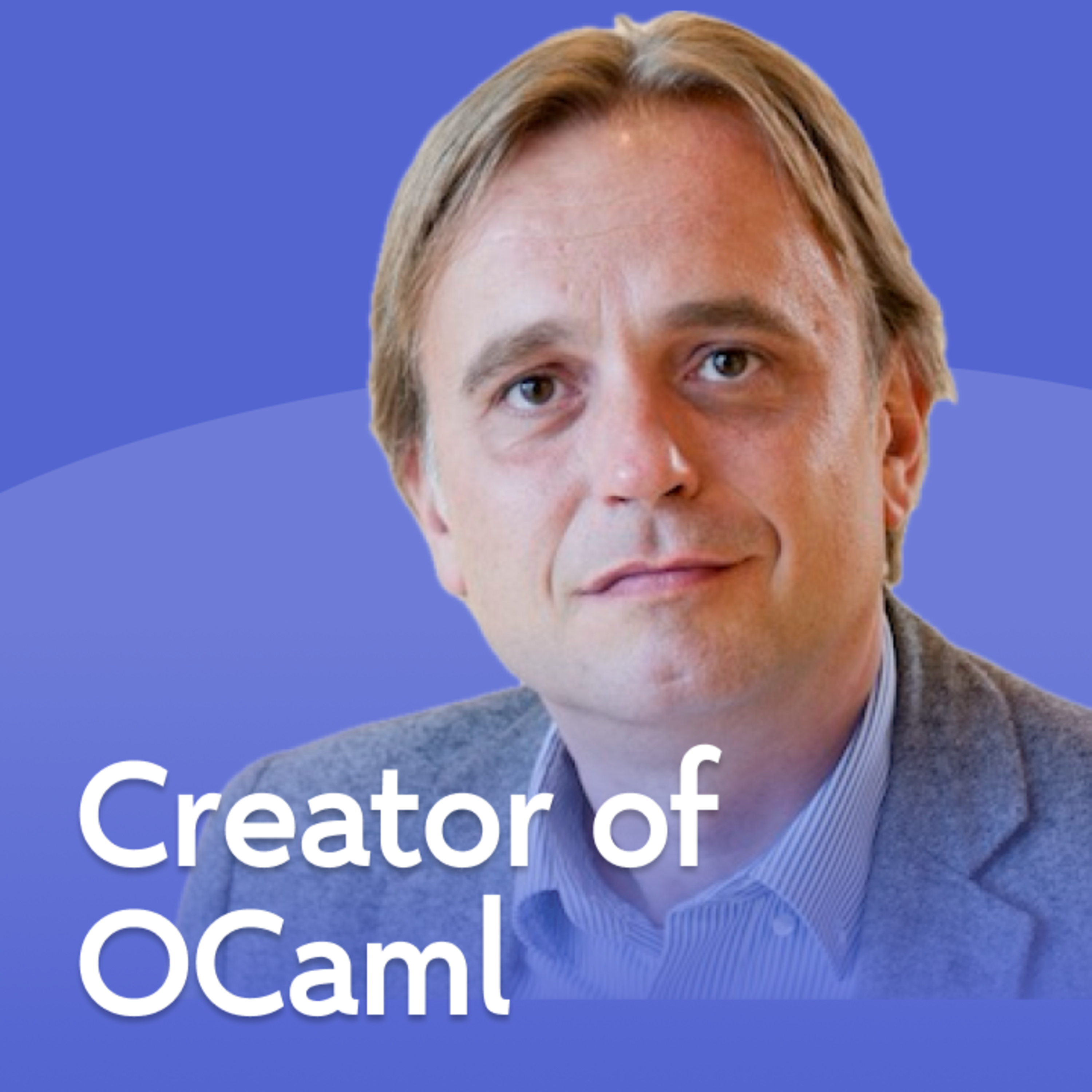
OCaml's success lies in its dual nature. It offers the elegance of a fine functional language while also providing the imperative power and predictable execution cost model of a systems language. This rare combination is highly valuable for applications like high-frequency trading and network programming.
AI coding has advanced so rapidly that tools like Claude Code are now responsible for their own development. This signals a fundamental shift in the software engineering profession, requiring programmers to master a new, higher level of abstraction to remain effective.

Before big tech, systems research valued novel ideas. Then, companies like Google began publishing papers on their massive internal systems. This shifted the expectation towards demonstrating impact at a scale impossible for academic labs, overshadowing purely intellectual contributions.

The creation of the Rust programming language was a direct response to fundamental weaknesses in C++. Mozilla needed a way to eliminate entire classes of security vulnerabilities (memory safety) and safely leverage multi-core processors (concurrency), which were intractable problems in its massive C++ codebase.

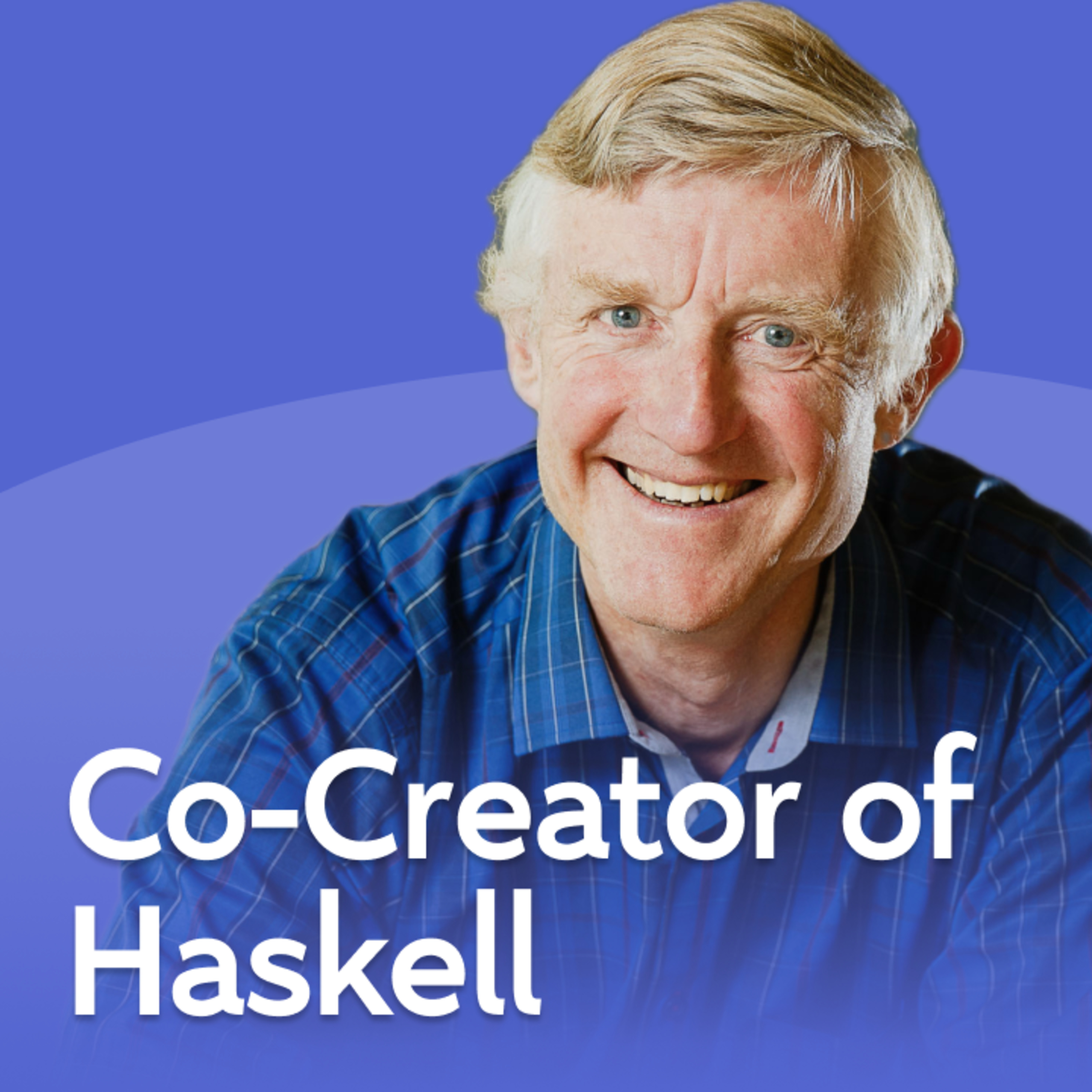
Unlike languages like C which started as useful but unsafe, Haskell began with extreme safety and theoretical purity, even lacking I/O initially. This forced its designers to invent new, principled ways to handle side effects (like monads), ensuring the language evolved towards usefulness without sacrificing its core value of safety.
The craft of software engineering is evolving away from precise code editing. Much like compilers abstracted away assembly language, modern AI coding tools are a new abstraction layer, turning engineers into directors who guide AI to write and edit code on their behalf.
Patrick Collison finds it surprising that programming paradigms haven't fundamentally changed in decades, despite an explosion in the number of developers. He notes that core ideas like integrated development environments originate from the 70s and 80s, suggesting the 'aperture of experimentation' has been disappointingly narrow.

The paradigm for creating software has shifted from writing code to writing natural language. Founders report a new workflow: speaking English to an AI, which then writes English prompts for other programs to generate the final code. This fundamentally changes the nature of software engineering and productivity.

Programming languages like Python were designed for human readability. As AI models become the primary producers and verifiers of code, the dominant languages will likely shift to ones optimized for machine generation and formal verification. The focus will move from human convenience to provable correctness and efficiency for AI agents.
