Get your free personalized podcast brief
We scan new podcasts and send you the top 5 insights daily.
Duckworth's father's criticism fostered an "I'll show you" resilience. In contrast, Levitt's father built his confidence by presenting solvable problems that made him feel brilliant. This shows that opposing parental styles can instill the drive to succeed, challenging the notion of a single "correct" approach.

Related Insights
Angela Duckworth argues the best parenting is both supportive and demanding. Children need to feel unconditionally loved to build a secure foundation of self-esteem, but they also need to be challenged with high expectations to foster a work ethic and a desire for personal growth.
We attribute personal flaws to our upbringing while claiming strengths as self-made. This overlooks that challenging childhoods often forge resilience and ambition alongside negative traits. The wound and the gift often share a root.

A powerful framework for raising resilient individuals is to separate self-worth from performance. Build immense self-esteem by praising character traits (e.g., kindness), while simultaneously enforcing radical accountability for failures (e.g., "the pitcher was better than you"). This creates confidence that isn't shattered by losing.

Howard Marks observes that many successful men feel a need to prove they are smarter than their sons. He argues for the opposite approach: supporting your children's decisions, even if you disagree, and letting them be smarter than you in certain areas. This builds their confidence and decision-making ability.

After seeing his daughter's self-driven work ethic, Steve Levitt concluded that what you do as a parent matters more than what you say. Children absorb the values you model 24/7, like diligence and hard work, even if the activity itself (like practicing golf) seems trivial.
Parents are different versions of themselves with each child. The parenting framework that develops is not solely from the parent's philosophy but from the unique interaction between the parent's evolving state and each child's inherent DNA. This explains why siblings can have vastly different upbringings in the same household.
Dr. Li's father prioritized play and curiosity over grades, a stark contrast to the 'tiger parent' stereotype. This "unserious" approach, focused on exploring nature and finding joy in simple things like yard sales, cultivated the inquisitive mindset that later fueled her scientific breakthroughs.

Confidence isn't built through affirmations but is a byproduct of overcoming real challenges. To raise confident children, create an environment of adventure and adversity. For example, author Dan Brown's father created treasure maps for Christmas gifts, fostering a love for puzzles that defined his career.
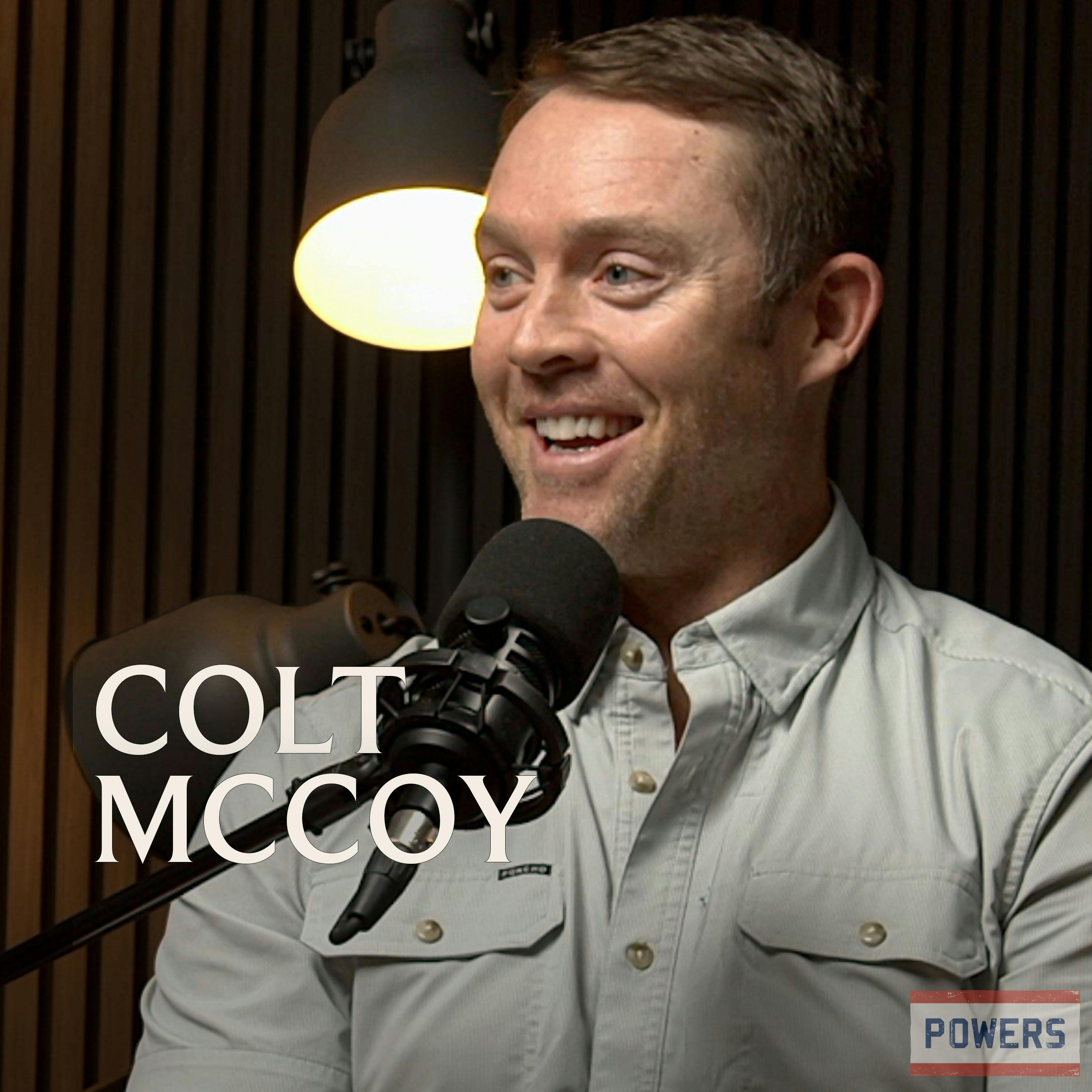
To combat perceptions of favoritism, Colt McCoy's father, who was also his high school coach, intentionally held him back and set higher expectations. This forced McCoy to earn his starting position beyond any doubt, a process that built resilience and a powerful work ethic.
Parents should praise effort, but not shield children from failure. Allowing kids to experience the natural disappointment of losing teaches resilience and prevents praise from creating delusion. Disappointment is the key ingredient that grounds effort in reality.